

Why do I grieve my childhood home so much now we’ve sold it? And what can I do about it?
- Written by: Lauren Breen, Professor of Psychology, Curtin University
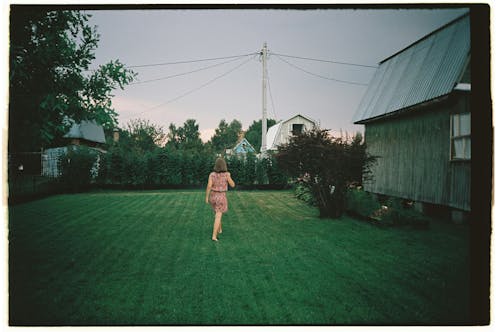
Grief can hit us in powerful and unanticipated ways. You might expect to grieve a person, a pet or even a former version of yourself – but many people are surprised by the depth of sad yearning they can feel after selling the childhood home.
In fact, it is normal to grieve a place. And this grief can be especially profound if it coincides with a parent dying or moving into residential aged care, leading to the sale of their house.
Grief is the response to the loss of anything to which we have an emotional connection. A growing body of research is looking at how grief can extend to “non-person” losses such as infertility, loss of religion and, yes, the loss of a former home.

Why would someone grieve a house?
The childhood home can be an important place for many of us. It literally housed our formative development, family bonds, and core memories. Hopefully, the childhood home is where we learned about safety, security and love.
It was likely surrounded by our neighbourhood, and close to important places such as school, playgrounds and friends’ houses. It is no wonder we grieve it when it’s gone.
It’s normal to grieve things we can’t see and touch but are real and valued. Just as a serious diagnosis might trigger grief for an imagined future for yourself, or an identity you once cherished, loss of a childhood home can hit us harder than we think.
When you sell a once-beloved home, you don’t just lose the physical space. You also lose all of what that space might represent, such as birthday celebrations, Christmas lunches, sleepovers with friends or many happy hours playing in the garden.
The childhood home often is a symbol of family connection and an anchor in the storm of life. Thinking of the home and all it represents can elicit nostalgia. In fact, the word “nostalgia” derives from the Greek words nostos (return) and algos (pain). The word is rooted in the pain we often feel being away from home.
And just as siblings are unique – each with different memories of and connections to their childhood home – their responses to its sale can differ markedly. It is normal if your sister or brother grieves the home in a different way to you – or maybe doesn’t even seem to grieve its loss at all.

A complicated grief
When a childhood home is sold because of the death of parents, the feelings of loss about the home are closely linked. The home being sold can be a type of secondary loss that sits in the periphery to the primary loss of parents.
Grieving the deaths might, at first, take precedence over the loss of the home.
It might only be later that the loss of the home and all it represents becomes apparent. Because the home provides a connection to the deceased person, the loss of the home might add another layer of grief about your parents. Perhaps you find that whenever you recall memories of mum or dad, they seem always to be at the house.
It’s also normal if you feel immense guilt about grieving the home. People might chastise themselves for worrying about “silly things” and not grieving “enough” about the person who died. Guilt about selling the home can also be common.
Not everyone has positive memories of their childhood home. Difficult family dynamics, maltreatment and abuse can complicate the emotional connection to childhood spaces and the grief response to their loss.
In such cases, the loss of the childhood home can elicit grief about the loss of the childhood that could have – and should have – been. The loss of a home that was the site of discord can be even more challenging than for people with more idyllic childhood experiences.
 Maybe when you recall memories of a now-deceased parent, they seem always to be at the house.
Photo by RDNE Stock project/Pexels
Maybe when you recall memories of a now-deceased parent, they seem always to be at the house.
Photo by RDNE Stock project/Pexels
How can I cope with this loss?
Grief from the loss of a childhood home is real and valid. We should recognise this and be kind to ourselves and others experiencing it. We shouldn’t minimise the loss or make fun of it.
Usually, the loss is anticipated, and this allows you to take photos, furniture or mementos from the home or garden before you leave or sell.
Grief researchers call these “transitional objects”. They may help you maintain a connection to what is lost, while still grieving the place.
Social support while grieving is important. Some people share memories and photos of the home with their siblings, or derive comfort from driving by the home.
Just be prepared for the possibility it will likely change as the new owners adapt it to their needs. You might feel affronted, but hopefully can eventually accept the property now belongs to someone else.
Chat to your doctor if the loss is particularly difficult, and your grief doesn’t change and subside over time. They might be able to recommend a psychologist who specialises in grief.
If this article has raised issues for you, or if you’re concerned about someone you know, call Lifeline on 13 11 14.
Authors: Lauren Breen, Professor of Psychology, Curtin University


















