

Curious Kids: why do we cry?
- Written by: Carly Osborn, Visiting Research Fellow, University of Adelaide
 If you have a question you’d like an expert to answer, send it to curiouskids@theconversation.edu.au.
What makes us cry? – Claudia, age 7.5, Victoria.
Hi Claudia. Thank you for this very sensible question.
As you know, crying is something everyone does sometimes. Sometimes we get teary because our bodies are trying to clean a bit of dirt out of our eyes. But that’s not really crying, is it? Crying has something to do with our emotions.
There’s a connection between the part of our brain that feels emotions, and the ducts in our eyes where tears come out - so when we have a big feeling, we cry.
Doctors of medicine could tell you more about that. But I’m a doctor of another subject – the history of emotions. I learn about why people cry for different reasons, and it’s my job to compare today with a long time ago.
Read more:
Curious Kids: Why do tears come out of our eyes when we cry?
In Australia today, most kids cry when they’re feeling sad, whether they’re boys or girls. But once those kids become teenagers, boys seem to cry less often than girls do. This isn’t because boys have different brains or tear ducts than girls. It’s mostly because many Australian boys think crying is a bit embarrassing.
Maybe they’ve been told boys don’t cry, or teased by their friends if they cry at school.
In fact, it is very normal for boys to cry. And crying hasn’t always been seen as embarrassing or uncool.
The history of crying
About 500 years ago in England, crying was seen as really cool! One of the most famous stories at the time was about King Arthur.
If you have a question you’d like an expert to answer, send it to curiouskids@theconversation.edu.au.
What makes us cry? – Claudia, age 7.5, Victoria.
Hi Claudia. Thank you for this very sensible question.
As you know, crying is something everyone does sometimes. Sometimes we get teary because our bodies are trying to clean a bit of dirt out of our eyes. But that’s not really crying, is it? Crying has something to do with our emotions.
There’s a connection between the part of our brain that feels emotions, and the ducts in our eyes where tears come out - so when we have a big feeling, we cry.
Doctors of medicine could tell you more about that. But I’m a doctor of another subject – the history of emotions. I learn about why people cry for different reasons, and it’s my job to compare today with a long time ago.
Read more:
Curious Kids: Why do tears come out of our eyes when we cry?
In Australia today, most kids cry when they’re feeling sad, whether they’re boys or girls. But once those kids become teenagers, boys seem to cry less often than girls do. This isn’t because boys have different brains or tear ducts than girls. It’s mostly because many Australian boys think crying is a bit embarrassing.
Maybe they’ve been told boys don’t cry, or teased by their friends if they cry at school.
In fact, it is very normal for boys to cry. And crying hasn’t always been seen as embarrassing or uncool.
The history of crying
About 500 years ago in England, crying was seen as really cool! One of the most famous stories at the time was about King Arthur.
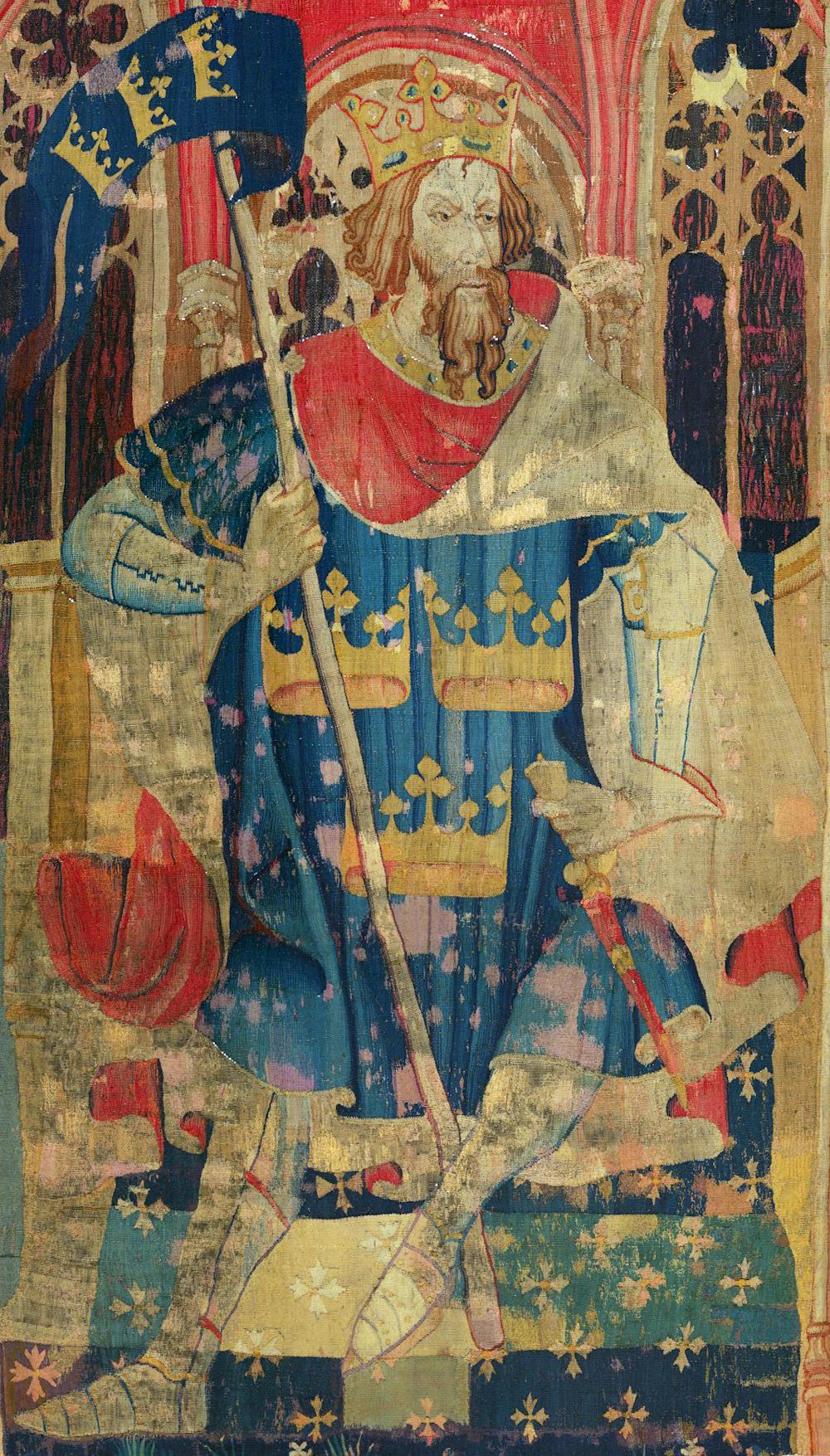 King Arthur was a big crier.
Wikimedia
He was a great hero, and a lot of boys wanted to be like him. According to books and poems written at the time, King Arthur cried a lot. Crying showed everybody he had very strong, true feelings. Back then, people thought this made him a great man, and the lords and ladies in his court cried in public too.
Crying around the world
Why we cry can also depend on where we live, and what our family is like.
If you live in a country where it’s normal to express a lot of feelings in public, such as America, you are more likely to cry about things.
If you live in a country where people don’t usually make a big show of how they feel, you probably won’t cry as much, even if you’re feeling sad on the inside.
For example, in Japan, for a long time people tried not to cry. But lately in Japan, people are changing their minds about crying. Books and movies that are very sad are becoming popular. There are even crying clubs, where you can watch a sad movie with other people, have a good cry, and go home feeling better because you let out a lot of big feelings!
The same goes for families: if everyone at your house likes to share how they’re feeling, and isn’t embarrassed about crying or laughing or shouting or dancing, then you’ll probably cry whenever you feel like it.
But if the people in your family don’t usually show how they feel, then you will also learn to keep your feelings inside and not let them show by crying.
We cry to show our feelings
As you can see in these examples, crying isn’t just something we do by ourselves. Quite often, crying is a way for us to show other people how we feel.
When you cry, your parents, teachers or friends know that you’re having a big feeling. Then they can help you feel better with a hug, or a talk about your feelings.
So why do we cry?
Well, partly because our bodies are made that way. But also because crying is how people around us show their feelings, and we learn to show our feelings the same way. Crying helps us share and care.
And I think that’s a wonderful thing.
Read more:
Curious Kids: why can’t we do whatever we want?
Hello, curious kids! Have you got a question you’d like an expert to answer? Ask an adult to send your question to curiouskids@theconversation.edu.au
King Arthur was a big crier.
Wikimedia
He was a great hero, and a lot of boys wanted to be like him. According to books and poems written at the time, King Arthur cried a lot. Crying showed everybody he had very strong, true feelings. Back then, people thought this made him a great man, and the lords and ladies in his court cried in public too.
Crying around the world
Why we cry can also depend on where we live, and what our family is like.
If you live in a country where it’s normal to express a lot of feelings in public, such as America, you are more likely to cry about things.
If you live in a country where people don’t usually make a big show of how they feel, you probably won’t cry as much, even if you’re feeling sad on the inside.
For example, in Japan, for a long time people tried not to cry. But lately in Japan, people are changing their minds about crying. Books and movies that are very sad are becoming popular. There are even crying clubs, where you can watch a sad movie with other people, have a good cry, and go home feeling better because you let out a lot of big feelings!
The same goes for families: if everyone at your house likes to share how they’re feeling, and isn’t embarrassed about crying or laughing or shouting or dancing, then you’ll probably cry whenever you feel like it.
But if the people in your family don’t usually show how they feel, then you will also learn to keep your feelings inside and not let them show by crying.
We cry to show our feelings
As you can see in these examples, crying isn’t just something we do by ourselves. Quite often, crying is a way for us to show other people how we feel.
When you cry, your parents, teachers or friends know that you’re having a big feeling. Then they can help you feel better with a hug, or a talk about your feelings.
So why do we cry?
Well, partly because our bodies are made that way. But also because crying is how people around us show their feelings, and we learn to show our feelings the same way. Crying helps us share and care.
And I think that’s a wonderful thing.
Read more:
Curious Kids: why can’t we do whatever we want?
Hello, curious kids! Have you got a question you’d like an expert to answer? Ask an adult to send your question to curiouskids@theconversation.edu.au
Authors: Carly Osborn, Visiting Research Fellow, University of Adelaide
Read more http://theconversation.com/curious-kids-why-do-we-cry-119814


















