

How does the Wuhan coronavirus cause severe illness?
- Written by: Allen Cheng, Professor in Infectious Diseases Epidemiology, Monash University
We usually think of viral respiratory infections, like the common cold, as mild nuisances that pass in a few days. But the Wuhan coronavirus has proven to be different. Of those infected, around 2% are reported to have died but the true mortality is unknown.
There’s much we’re yet to learn about this new virus, but we know it often causes pneumonia, an infection of the lungs which produces pus and fluid and reduces the lungs’ ability to absorb oxygen.
Of the first 99 people with severe infection, three-quarters had pneumonia involving both lungs. Around 14% appeared to have lung damage caused by the immune system, while 11% suffered from multi-organ system failure, or sepsis.
Others are at risk of complications from being treated in hospitals, such as acquiring other infections.
Read more: How contagious is the Wuhan coronavirus and can you spread it before symptoms start?
At this stage, we know some people develop only a mild infection, while others become critically ill, but the exact proportion of each is not yet clear.
Overall, there are four key ways the Wuhan coronavirus can cause severe disease – and some can occur at the same time.
1. Direct viral damage
For the SARS (severe acute respiratory syndrome) coronavirus, direct viral damage was probably the most common way the infection caused disease. This is likely the case with the Wuhan coronavirus.
Early studies have found the Wuhan coronavirus attaches to a particular receptor found in lung tissue. This is like a lock and key mechanism allowing the virus to enter the cell, and is the same receptor the SARS coronavirus used.
Viruses “hijack” the host cell’s mechanisms to make more copies of itself. Damage results from either viruses taking over the cell completely and causing it to die, or immune cells recognising the viral infection and mounting a defence, triggering cell death.
If large numbers of cells die, then the affected organ can’t function effectively.
Studies from patients who died from SARS coronavirus showed the virus caused damage to not only the lungs, but also other organs in the body. Early research suggests the Wuhan coronavirus can also damage other organs, including the kidneys.
2. Pneumonia
While we’re still piecing together the relationship between the Wuhan coronavirus and pneumonia, there’s much we can learn from influenza.
Influenza is a virus but it commonly leads to bacterial pneumonia – this is what’s known as a secondary infection.
It’s thought the influenza virus weakens the usual protective mechanisms of the lung, allowing bacteria to establish and multiply. This is especially true in children, older people and those with compromised immune systems.
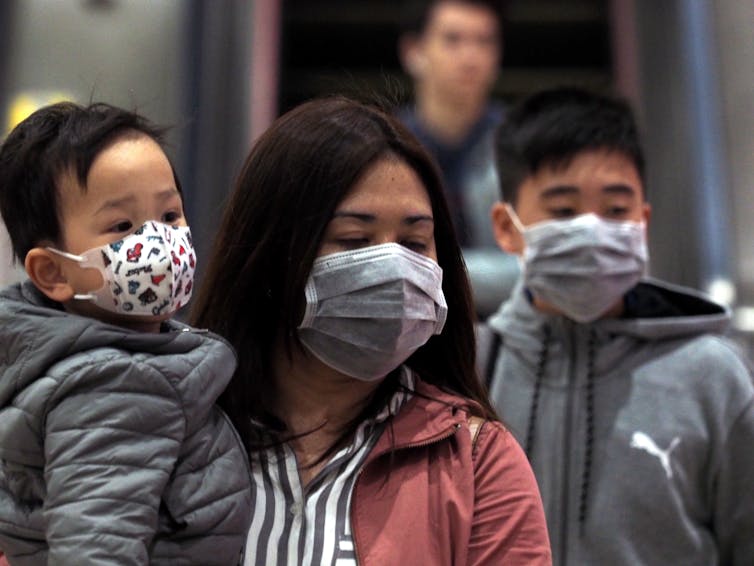 Children are at greater risk of pneumonia.
David Chang/AAP
Children are at greater risk of pneumonia.
David Chang/AAP
Secondary bacterial pneumonia is more severe than influenza alone – in hospitalised patients, around 10% of those with influenza and pneumonia die, compared to around 2% of those who don’t have pneumonia.
The Wuhan coronavirus appears to cause pneumonia in two ways: when the virus takes hold in the lungs, and through secondary bacterial infections, however, the first way appears to be more common.
3. Sepsis
Sepsis is a serious condition that can be caused by many infections.
When we get an infection, we need to mount an immune response to fight off the pathogen. But an excessive immune response can cause damage and organ failure. This is what happens in the case of sepsis.
Read more: What is sepsis and how can it be treated?
Although it can be difficult to determine whether organ damage from the Wuhan coronavirus is a result of direct viral infection or indirect “collateral damage” from the immune system, initial reports suggested around 11% of people severely ill with the Wuhan coronavirus experienced sepsis with multi-organ failure.
So far no drugs or interventions have been able to dampen this immune response. Although several treatments have been proposed for Wuhan coronavirus, none have yet been shown to work.
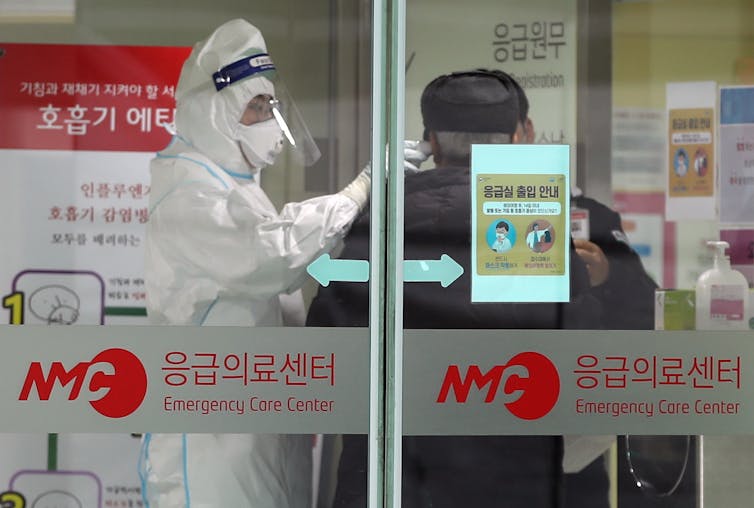 The Wuhan coronavirus can also cause multiple organ failure.
Yonhap/EPA/AAP
The Wuhan coronavirus can also cause multiple organ failure.
Yonhap/EPA/AAP
4. Complications of hospital care
Finally, patients who require hospital care may have complications. These include infections from intravenous lines (for drips/medication) or urinary catheters (flexible tubes inserted into the bladder to empty it of urine), pneumonia, or non-infectious complications such as falls or pressure sores.
Studies have found 10% of patients in hospital have some sort of health care-acquired infection, and around 5% have a pressure sore.
Hospitals work hard to try to prevent these complications, by making sure health care workers disinfect their hands and other equipment. However, complications still occur, particularly in patients who are debilitated from long hospital stays.
Read more: 1 in 10 patients are infected in hospital, and it's not always with what you think
While most respiratory viral infections are mild, some can trigger serious complications, either directly or indirectly. It’s too early to tell how often this occurs with the Wuhan coronavirus. While we have initial data on those who were severely affected, many others may not have required medical care.
Authors: Allen Cheng, Professor in Infectious Diseases Epidemiology, Monash University
Read more https://theconversation.com/how-does-the-wuhan-coronavirus-cause-severe-illness-130864


















