

The price of meth has been plunging in NZ. Are Mexican cartels driving the drop?
- Written by Chris Wilkins, Professor of Policy and Health, Te Kunenga ki Pūrehuroa – Massey University
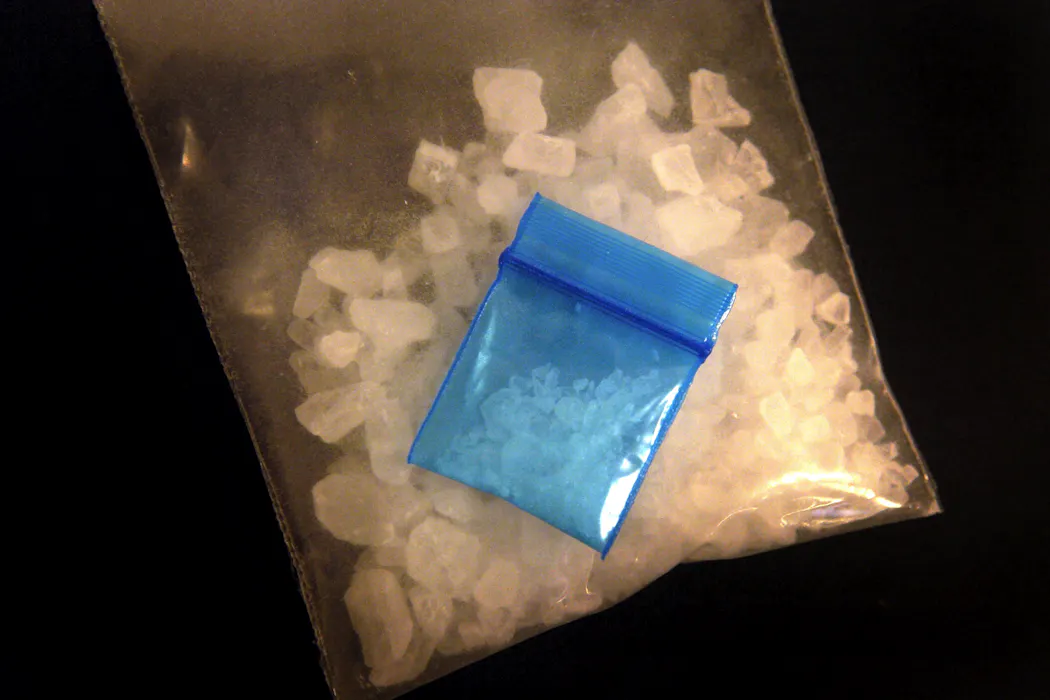
Methamphetamine has become dramatically cheaper over the past seven years, even as authorities report record seizures, according to the latest New Zealand Drug Trends Survey.
The annual online survey of over 8,800 people who use drugs shows wholesale prices of the illegal and harmful substance (per gram sold to dealers) have fallen by 41%, while street-level “point” prices (0.1 gram retail deals) have dropped by 27%.
Once adjusted for inflation, the declines are closer to 50%. A gram of meth that cost an average of $563 in 2017 now sells for about $253 in inflation-adjusted terms in 2025.
This trend is striking because retail prices of illegal drugs often remain unchanged for years. For example, a cannabis “tinny” (about 1–1.5 grams) has typically cost $20–25 in New Zealand for more than two decades, reflecting the need for quick and simple transactions.
The sustained price falls therefore point to deeper changes in how the methamphetamine market is operating. Australia has recently observed a similar pattern.
Importantly, the shift can’t be attributed to any changes in drug purity. Recent testing suggests average purity levels often exceed 70%, approaching the theoretical maximum of about 80% for the hydrochloride salt form.
In other words, methamphetamine is not only cheaper, but often highly potent.
Already, the drug is estimated to cause hundreds of millions of dollars in harm to New Zealand communities, through impacts to hospital emergency departments, mental health and drug treatment systems and social services – and to users themselves in terms of lives derailed and family relationships fractured.
All of this raises critical questions: what is driving these price drops, how long will they continue and what might they ultimately mean for meth’s social toll?
Competition, enforcement or demand?
We can point to several factors that might be contributing to the falling prices.
Illegal drug markets are often assumed to be controlled by organised crime groups who are able to keep prices high. But the widespread price declines across New Zealand – including in regions with the strongest gang presence – suggest the market remains competitive.
Could the price drops reflect sellers feeling they face less risk of arrest? Given New Zealand Police and Customs have been reporting record seizures every year since 2019, that doesn’t seem plausible.
In 2019, the law was changed to direct police not to arrest people found with small amounts of drugs unless it was in the public interest. While this may have reduced enforcement risk for users, it was not intended to change the situation for dealers selling grams.
If anything, the policy partly aimed to free up resources to focus on suppliers.
We might also assume that meth has simply become cheaper to make. With multiple ways to synthesise methamphetamine using different precursor chemicals, manufacturers may have found lower-cost methods over time.
But production costs can make up only a fraction of the final street price, with large mark-ups added along the distribution chain. That means even big savings in production may have little effect on retail prices.
Might the trend signal fewer buyers? Methamphetamine might well be reaching the end of its “product cycle” as cocaine gains popularity. Yet wastewater data show meth consumption doubled in late 2024 – hardly an indication of falling demand.
Are cartels the culprit?
The most convincing explanation lies away from New Zealand’s shores, in new global sources of methamphetamine supply.
New Zealand and Australia have traditionally sourced methamphetamine from lawless regions of Asia known as the Golden Triangle. More recently, however, growing seizures have been linked to Mexican drug cartels, often transiting through Canada.
Australian authorities say these cartels can supply methamphetamine at less than one-third the price of Asian producers and that about 70% of seized meth now originates from North America.
It may also explain the rising supply of cocaine in New Zealand, with Mexican cartels deeply involved in global cocaine trafficking. Methamphetamine trafficked from Mexico is also often routed through Pacific Island countries such as Fiji, Tonga and Samoa, which have strong trade, transport and cultural links with New Zealand.
On top of this, digital drug markets – including darknets and social media sales – may be lowering the cost of finding alternative sellers and better deals, increasing competition and pushing prices down.
This may also explain why methamphetamine is not the only drug to experience price declines in recent years.
We have also tracked substantial falls in the price of MDMA (ecstasy), a drug increasingly purchased via social media. Digital drug markets may also reduce the need for multiple layers of local distribution, lowering costs.
While we believe Mexican cartel supply is the most likely driver of methamphetamine price declines, the other explanations cannot be ruled out.
More research is needed to better understand the supply-and-demand implications and effects of changes in enforcement intensity, risk of violence and victimisation, production costs, price formation and modern digital drug markets.
Untangling these forces will be the focus of our future work, helping policymakers to respond more effectively to what remains one of New Zealand’s most damaging illegal drug.
Authors: Chris Wilkins, Professor of Policy and Health, Te Kunenga ki Pūrehuroa – Massey University

















