

Is E10 fuel bad for my car? And could it save me money?
- Written by Zachary Aman, Professor of Chemical Engineering, The University of Western Australia
Fuel has become a precious, and increasingly expensive, commodity.
The ongoing Middle East conflict has effectively closed the Strait of Hormuz, cutting off 20% of the world’s oil supplies. This, coupled with tit-for-tat attacks on key energy infrastructure across the region, has sent fuel prices soaring.
In Australia, petrol and diesel bowsers have already started running dry. And the country’s leading motoring organisation is now urging drivers to fill up with E10 fuel, in an effort to conserve our national fuel supplies.
So what exactly is E10? And could it help ease the current fuel crisis?
Remind me, what’s E10?
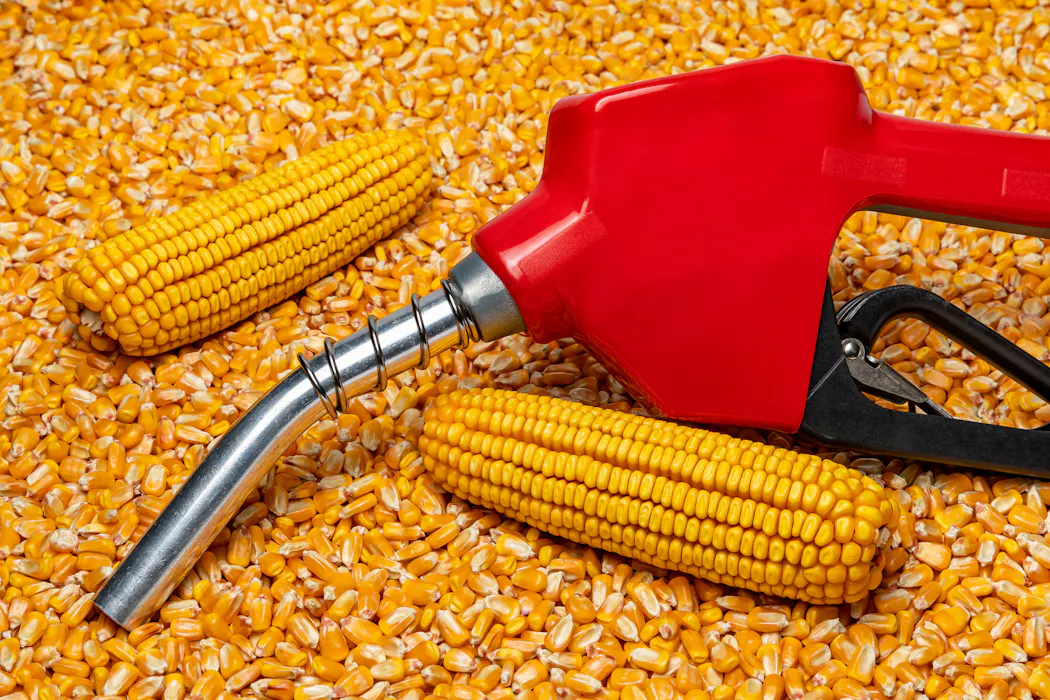
E10 is a type of fuel made from a mixture of regular unleaded petrol and ethanol. Ethanol is a highly flammable liquid produced when sugars from plants, such as corn or sugarcane, are fermented into ethyl alcohol or ethanol.
To make a batch of E10, you combine nine parts petrol with one part ethanol. So the “E” stands for ethanol and the “10” indicates how much of it is in the blend. Given ethanol costs less than regular petrol, E10 is generally cheaper than other fuel types.
E10 fuel contains 3% less energy than other low-grade petrols. This means if you swap regular unleaded for E10, you’d need about 3% more E10 to travel the same distance. So while E10 is often cheaper at the bowser, it’s likely any savings will be balanced out by the need to fill up more often.
Read more: Oil, petrol, gasoline: a chemical engineer explains how crude turns into fuel
Could it damage my car?
Both ethanol and regular unleaded petrol can be ignited. So blending these two liquids to make E10 produces a fuel that is compatible with modern combustion engines.
However, the inclusion of ethanol increases the octane rating of the fuel. The octane rating is based on how quickly a fuel ignites in a standard combustion engine. So the higher the octane rating, the more stable the fuel and the less likely it is to damage engine cylinders and rods.
But if you have an older car, it may be best to avoid using E10. This is because engines built before 2000 are generally incompatible with this type of fuel. Ethanol can degrade older seals and fuel lines, which are often made of plastic and rubber not designed for exposure to ethanol. Importantly, E10 is not suitable for use in petrol carburettors. These devices, which pump a mixture of fuel and air into combustion engines, are only found in older cars.
So the idea that E10 damages cars likely comes from its effect on older vehicles. But for cars with engines made after 2000, E10 is generally safe to use.
Read more: The rise of diesel: but how cheap and clean is it?
Is E10 better for the environment?
Research suggests the combustion of E10 could reduce greenhouse gas emissions by up to 5%, depending on how the ethanol is produced.
Crops such as sugarcane, commonly used in Brazilian and some Australian ethanol, absorb significant amounts of carbon dioxide as they grow. This can help offset the emissions produced from the combustion of E10. In contrast, corn-based ethanol, which is mostly found in the US, has a negligible impact on carbon dioxide emissions. Sitting in the middle is ethanol made from wheat. Research suggests this kind of ethanol may slightly reduce greenhouse gas emissions.
But this variability means some people broadly view E10, and its apparent environmental benefits, with scepticism.
Read more: It’s not hoarding: farmers need to buy huge amounts of diesel to keep our food secure
What about the global fuel crisis?
Over the past 14 years, demand for E10 fuel has declined by about 44%. But this trend could turn around, as the prolonged closure of the Strait of Hormuz forces governments around the world to consider alternatives to diesel and regular petrol.
For countries which import most of their crude oil and refined petroleum products, encouraging the production and use of E10 may slightly reduce the strain on domestic fuel supplies. This is because adding up to 10% ethanol increases how much regular petrol is available. However, this assumes residents have engines that are compatible with lower-grade fuels. And it would only be useful if countries can produce their own ethanol, instead of relying on imported ethanol.
In Australia, we import the vast majority of our diesel. This makes us extremely vulnerable to fuel shocks, including the crisis we’re currently experiencing. We meet about 20% of our national fuel demand with domestic supplies. However, only a portion of that fuel is produced in the form of unleaded petrol which is suitable for E10 blending.
Australia produces nearly all of the ethanol we consume domestically, in any given year. This includes ethanol used in E10 fuel. Increasing our domestic ethanol production, involving both our agricultural and manufacturing sectors, could help conserve a small percentage of our national petrol supplies. This is because the E10 blending process must happen at the point of refining, so we can only add ethanol to the petrol we produce in Australia.
If every Australian switched to using E10, this would save roughly 2% of the 20% of petrol we produce domestically. Every saving matters in a global fuel crisis. However, our current reliance on fossil fuels such as coal and gas limits the potential benefits of switching to E10.
So if you do switch from diesel or petrol to E10, you may see a slight reduction in your fuel costs and emissions. However, this decision is unlikely to take much pressure off our limited fuel supplies. For that we need effective policy and, ultimately, a swift end to the current Middle East conflict.
Authors: Zachary Aman, Professor of Chemical Engineering, The University of Western Australia
Read more https://theconversation.com/is-e10-fuel-bad-for-my-car-and-could-it-save-me-money-279081

















