

What exercises will keep my ageing joints healthy?
- Written by Gordon Waddington, AIS Professor of Sports Medicine Research, University of Canberra
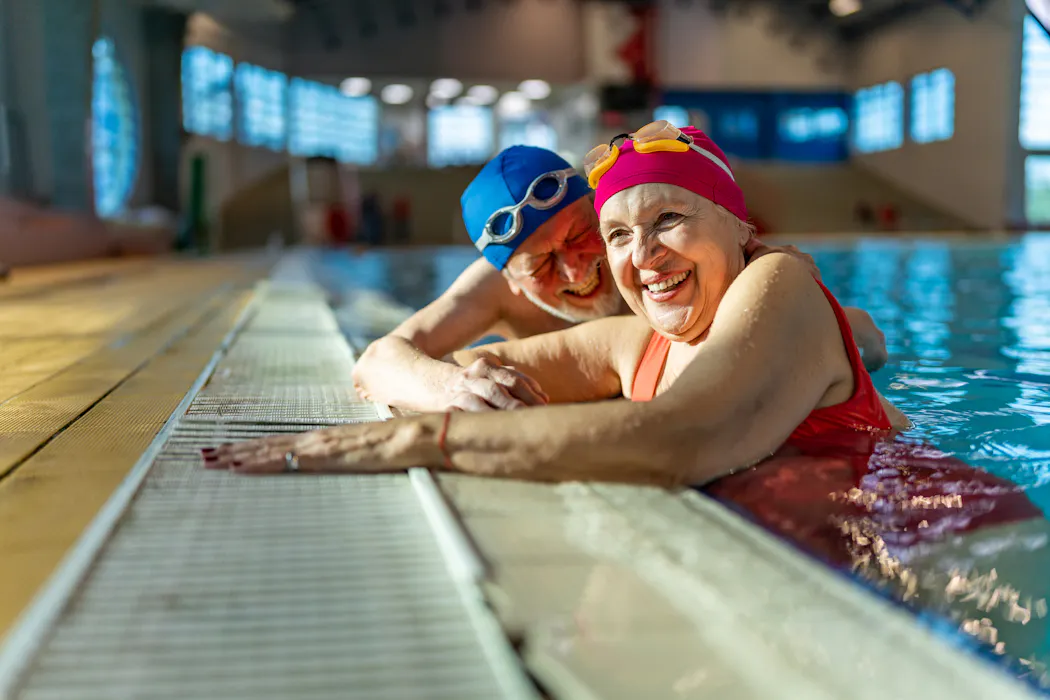
Growing older has plenty of upsides – but achy joints is not one of them.
As we age, the joints that once handled every bend and fall start to weaken. This is because the amount of cartilage, a tough but flexible kind of connective tissue, and fluid in your joints decreases over time.
This may lead some people to avoid activities such as exercise. But with the right approach, exercise can actually help protect your joints.
Let’s dive into the science.
Why joints matter
Each joint is cushioned by articular cartilage, a type of specialised tissue that covers the ends of bones. This cartilage protects the joints and creates a smooth surface for motion.
A thick liquid known as synovial fluid also helps lubricate your knees, hips and shoulders. It does this by reducing friction between your cartilage and joints. Synovial fluid also supplies cartilage with key nutrients.
However, cartilage isn’t very good at repairing itself. This is partly because it doesn’t have its own blood supply.
The gradual breakdown of cartilage is known as osteoarthritis, a condition which affects more than 500 million people worldwide. People with osteoarthritis often feel the most pain in weight-bearing joints such as the knees, hips and spine.
How exercise impacts your joints
The body distributes synovial fluid through motion. So exercise helps gets this fluid, and the nutrients it contains, to cartilage.
Meanwhile, muscles around your joints act as shock absorbers. So strengthening your muscles, including through exercises such as weightlifting, helps to reduce the pressure placed on your joints. Research suggests strength exercises targeting the quadriceps, a group of muscles at the front of the thigh, are particularly effective at reducing joint pain.
A landmark Cochrane review assessed all the relevant evidence looking at the effect of exercise on osteoarthritis. It found exercise reduces pain and improves function in people with knee osteoarthritis. It also showed exercise has a similar impact as anti-inflammatory drugs, but without the same side effects.
Exercise may also help maintain proprioception, the body’s ability to sense its own position and movement. However, proprioception declines with age. So as you get older, your brain is less able to register these signals and may cause your joints to bear weight unevenly. This wears down your joints quicker.
However, exercising on varied and even unstable surfaces can reduce this wear-and-tear process. It forces your ankle, knee and hip joints to quickly adjust their movements, keeping them engaged and flexible.
What about low-impact exercise?
Low-impact exercise refers to exercises where you keep at least one foot on the ground, or support the body in some other way. This kind of exercise reduces the amount of weight and force placed on joints.
Examples of low-impact exercise include swimming and water aerobics. Both involve being suspended in water, which can support up to 90% of your body weight. Cycling may also be beneficial for your joints, particularly your knees.
Tai chi, a gentle form of exercise based on gentle movements and breathing techniques, is another option. Research suggests it may be as effective as physical therapy for people with knee osteoarthritis. Yoga can also help strengthen the muscles around your joints and improve your overall flexibility.
Walking deserves a special mention. Walking on uneven terrain, such as on grass, gravel or bush trails, can help maintain proprioception. One 2026 study found unstable surface training significantly improves postural control, or the ability to remain stable, in older adults.
Another systematic review found exercises which challenged participants’ balance reduced fall rates by roughly 23%. This is important, given falls are the leading cause of injury-related death in adults over 65.
I’ve never done low-impact exercise. How can I start?
Here are three tips to make low-impact exercise as safe and effective as possible.
1. Start small
You don’t need any fancy equipment to start. Where possible, opt to walk on uneven surfaces, such as grass, sand or gravel, instead of pavement. Even ten minutes walking across a park lawn will improve your joint movement.
You can also practise standing on one leg, for example while brushing your teeth. It’s best to start on firm ground first, aiming to stand on each leg for 30 seconds. You can then progress to standing on a folded towel or foam pad. Importantly, you should master each task or level of difficulty before advancing.
2. Use support
Safety is paramount. Always perform low-impact exercises near something you can hold for support, such as a park bench or bathroom vanity. If you’re walking for exercise, walking poles are an excellent option. Importantly, never exercise on unstable surfaces when you’re tired.
3. Get advice
No exercise is risk-free. For example, holding a yoga pose beyond your range of motion may injure your lower back, shoulders or knees. Doing deep squats or lunges with poor form can put unnecessary strain on your knee joint.
So before you start, speak to a certified exercise physiologist or physiotherapist. They can help you design a tailored exercise program.
The bottom line
Our joints are subject to the inevitable wear-and-tear of age, but low-impact exercise can help. So it’s worth trying, no matter how young or old you are.
Authors: Gordon Waddington, AIS Professor of Sports Medicine Research, University of Canberra
Read more https://theconversation.com/what-exercises-will-keep-my-ageing-joints-healthy-277975

















