

NZ is surrounded by ocean energy. Just what would it take to tap it?
- Written by: Craig Stevens, Professor in Ocean Physics, University of Auckland, Waipapa Taumata Rau; Earth Sciences New Zealand
“Same as it ever was” is a phrase that continues to resonate in 2026.
The oil shocks of the 1970s, triggered by conflict in the Middle East, sent global energy prices soaring and exposed the vulnerability of modern economies to fuel supply. They also sparked a global surge of interest in alternative energy.
One particularly intriguing idea at the time came from Stephen Salter, a University of Edinburgh researcher who recognised the enormous amount of energy that is constantly cycled within oceans.
He developed a method of turning wave energy into electricity using a pear-shaped device dubbed the “nodding duck”. Despite its whimsical nickname, Salter’s solution appeared able to efficiently extract a large share of the energy carried in passing waves.
The easing of oil shortages and the politics of energy funding brought an end to Salter’s project and pushed marine energy research out of the spotlight.
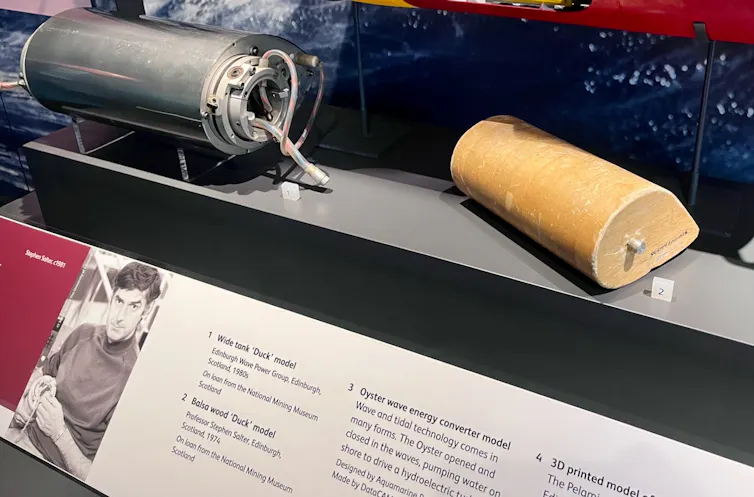
Still, work in the field has quietly carried on. The last few decades have seen research and development into approaches that source energy from tides, marine winds – and even from differences in heat and salt at different depths.
At the same time, there has been another fundamental shift since the 1970s: the awareness that burning fossil fuels is warming our climate – and that we urgently need to reduce our dependence on them.
An ocean of potential?
New Zealand already generates a high share of its electricity from renewable energy, mostly from hydro, geothermal and wind. But much of the wider energy system still needs to follow.
In scaling up the country’s renewables sector, a large and untapped opportunity lies just offshore.
New Zealand’s west coast is continually swept by waves generated in the Southern Ocean, while the shape of its islands amplifies tidal flows in places like Te Moana-o-Raukawa Cook Strait – one of the most energetic stretches of water on the planet.
These conditions offer exceptional potential for marine energy, for which there is now an increasing range of technologies to harness.
Offshore wind is already well established globally, making up over 99% of marine-based renewable energy capacity. Tidal energy is quickly growing as a sector and now accounts for nearly two thirds of the non-wind ocean energy market. It has advanced through systems that operate much like compact underwater wind turbines.
The UK and France are now planning to install tidal stream energy infrastructure that would deliver at least 400 megawatts of capacity over the next decade, while other countries including Canada, the US, China and Japan are exploring the tech to a lesser extent.
Comparatively, wave energy still has a way to go. But scientists have been developing technology such as buoys and actuators that convert ocean wave motion into electricity, all building on those ideas first explored by Salter.
The new generation of marine energy technologies is solving many of the basic challenges of accessing this large energy resource. The next step is to get it accepted as part of an energy portfolio.
Unlike fossil fuels, waves and tides offer variable yet predictable sources of energy. But doing this at scale will require ways to store that energy – such as pumped hydro or large-scale batteries – to provide reliable supply when demand is high.
In New Zealand, scientists have been exploring these concepts as part of wider research into the potential for capturing energy from the country’s unique ocean environments.
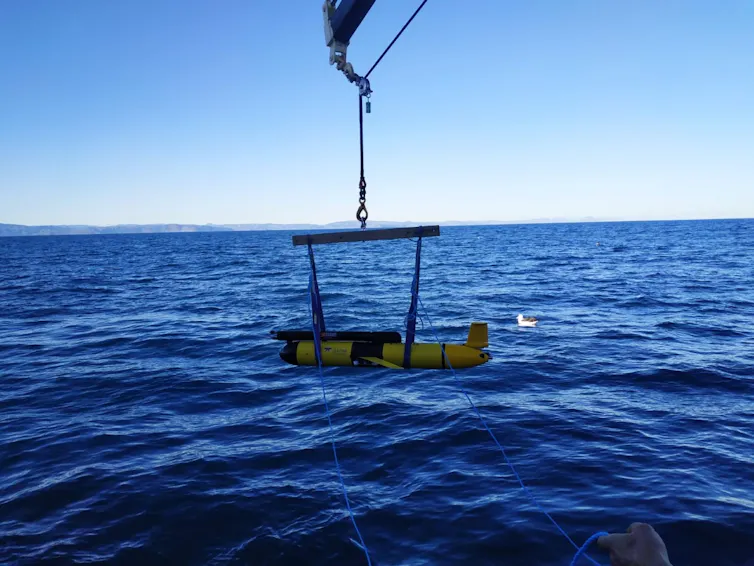
Some of this work, supported by New Zealand’s Marsden Fund, has sought to understand how ocean energy works in these extreme conditions. This enables assessment of how turbine systems developed for smaller coastal settings might perform in more powerful ocean conditions.
Barriers to blue energy
While many of these marine energy technologies are technically viable today, they continue to face significant barriers to deployment. High upfront costs, limited economies of scale and cautious investment environments have all slowed progress.
Previously, proposed marine projects have tended to over-promise relative to technology and social license at the time. One example was a large tidal scheme in the Kaipara Harbour north of Auckland that was touted as capable of powering the equivalent of 250,000 homes. It did not proceed.
Another hurdle has been knowledge gaps in how marine energy developments might affect vulnerable local ecosystems. Recent research has highlighted not only the lack of data on critical species, but also the need to incorporate Māori perspectives and values when assessing impacts on the marine environment.
And so, as another global oil shock unfolds, New Zealand finds itself not much further down the road in realising its marine energy potential than it was 50 years ago.
One way forward is for the country to build on its strengths in hydro, wind, geothermal and solar – and make an even greater push toward renewable energy.
Doing this will require more than discovering new efficiencies in technology. It will mean better understanding how people make decisions about energy use, investing in environmental science to assess impacts and fostering a more capable domestic engineering and infrastructure sector to support deployment.
Regardless of where future renewable growth comes from – be it the sea, sun, earth or skies – it will be essential for reducing fossil fuel emissions. Greater resilience to future oil shocks would be an added benefit.
Authors: Craig Stevens, Professor in Ocean Physics, University of Auckland, Waipapa Taumata Rau; Earth Sciences New Zealand


















