

How to clean your house to prevent the spread of coronavirus and other infections
- Written by: Brett Mitchell, Professor of Nursing, University of Newcastle
As the coronavirus pandemic spreads around the world, it’s a good time to understand how cleaning can help prevent the spread of disease and what you can do to cut the risk of infection in your home.
Coronavirus is mainly transmitted from person to person via tiny droplets of saliva or other bodily fluids that float in the air after a cough or sneeze.
Contaminated objects and surfaces can also be important in the transmission of disease. It’s not entirely clear what role they play in transmitting the new coronavirus, but they play an important one for related viruses such as SARS and MERS.
However, it makes sense that something contaminated with the virus could pass it on, for example if a person touches it and then touches their nose, mouth or face.
So, if someone at risk of having the virus has been in your home, cleaning to reduce the amount of contamination on surfaces may help cut down your risk of further transmission of coronavirus. (It will also cut the risk of transmitting other pathogens.)
What’s the difference between cleaning and disinfection?
There’s a useful to distinction to make between cleaning and disinfection.
Cleaning means physically removing organic matter such as germs and dirt from surfaces. Disinfection means using chemicals to kill germs on surfaces.
Cleaning is very important, because organic matter may inhibit or reduce the disinfectant’s ability to kill germs.
How long will coronavirus survive in my house?
We are not exactly sure how long this coronavirus will survive on surfaces. If it is similar to other coronaviruses, it could survive a few hours – potentially up to several days. How long it survives could depend on temperature, humidity and what the surface is made of.
What could be contaminated in my house?
It’s hard to say exactly. When someone coughs or sneezes, especially if they don’t cover their mouth, it is likely surfaces close to them will be contaminated.
Hands are often responsible for transferring pathogens from one place to another, so items that people often touch are at greatest risk of being contaminated.
Frequently touched items may include TV remotes, fridge doors, kitchen cupboards, kitchen surfaces, taps and door handles. And of course, there are devices such as phones and iPads – but these may not be shared or touched by others frequently.
What should I use to clean and how?
The coronavirus is a delicate structure and it is vulnerable in the environment. Both heat and detergents, including soap, can stop it functioning.
Contaminated surfaces
If a surface becomes contaminated or you think it could be, cleaning it with a common household disinfectant will kill the virus. Remember to wash your hands after cleaning (or use an alcohol-based hand sanitiser) and avoid touching your eyes, mouth or nose.
There are many options for what to use to clean, including paper towels, cloths or disposable wipes.
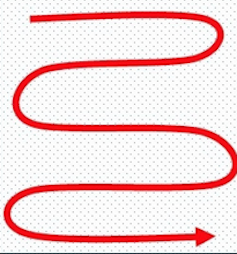 The S-shaped pattern for cleaning a surface without re-contaminating parts of it.
Brett Mitchell, Author provided
The S-shaped pattern for cleaning a surface without re-contaminating parts of it.
Brett Mitchell, Author provided
How you clean is important. You don’t want to “recontaminate” surfaces while cleaning. Working from one side of a surface to the other helps with this, using an “S” shape to clean.
If you are reusing a cloth, remember to wash it afterwards and let it dry. Laundering cloths in the washing machine with normal washing liquid is also likely to kill the virus, particularly on a hot wash.
Dishes and cutlery
Washing with hot water and detergent is fine for dishes and cutlery. A dishwasher is even better, because it can use hotter water than your hands will tolerate.
Clothing and linen
Use the warmest setting possible to wash contaminated laundry and make sure you allow it to dry completely. You may not want to ruin clothing or other materials, so always look at the manufacturer’s instructions.
Laundry from someone who is sick can be washed with other people’s items. If you are handling contaminated items such as towel or sheets, avoid shaking them before washing, to reduce the risk of contaminating other surfaces.
And remember to wash your hands immediately after touching any contaminated laundry.
Prevention is best
Remember that surfaces play a role in transmitting pathogens, so preventing them from becoming contaminated in the first place is as important as cleaning. There are some things you can do to reduce the amount of contamination of surfaces in your house:
– cover your cough and sneezes, ideally with a tissue but otherwise into your elbow, and wash your hands immediately
– wash your hands often, especially after going to the bathroom and before eating.
Read more: What is a virus? How do they spread? How do they make us sick?
What do I do if someone in my home is sick?
It may be wise to think about which room in your home could be used to care for a sick member of your family. If possible, the ideal room is one that that is separate from other parts of your home and has a separate bathroom.
Cleaning this room when someone is sick also requires some thought. Further advice on caring for someone with coronavirus at home is available from the Department of Health.
Authors: Brett Mitchell, Professor of Nursing, University of Newcastle


















