

Wondering if you’re a ‘light’ or ‘deep’ sleeper? The science isn’t that simple
- Written by Kelly Sansom, Research Associate, College of Medicine and Public Health, Flinders University; Research Associate, Centre for Healthy Ageing, Murdoch University
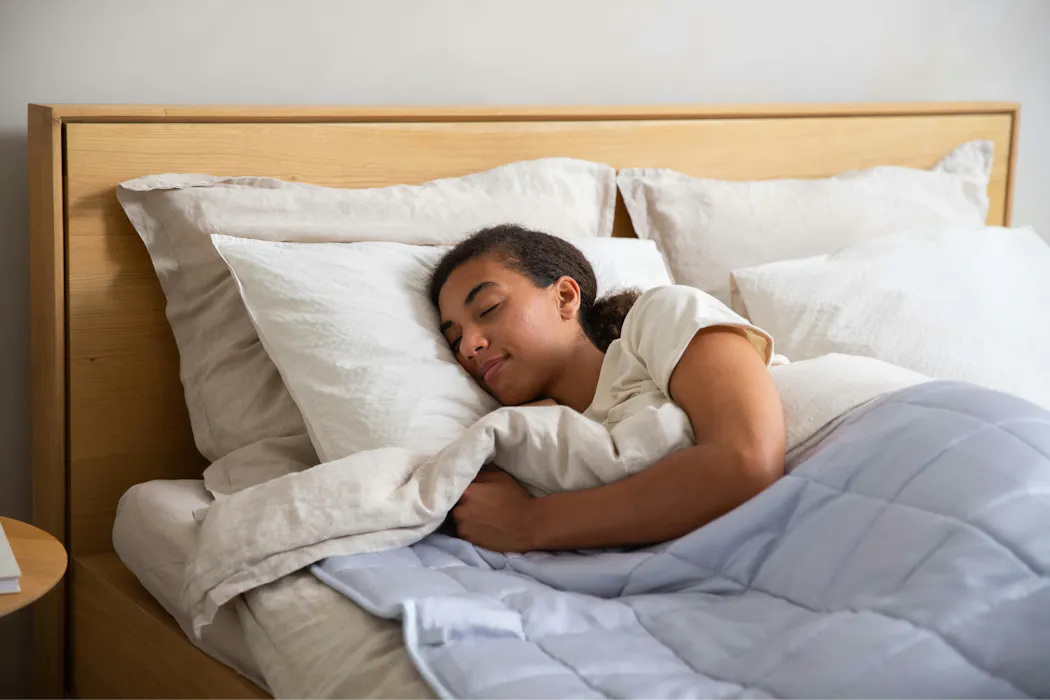
Not everyone can sleep through rumbling traffic or a spouse’s incessant snoring. If you do, you may pride yourself on being a “deep” or “heavy” sleeper.
If you struggle to fall or stay asleep, you may consider yourself a “light” sleeper.
But is there such thing as being a light or deep sleeper? And can you change how deeply you sleep?
Sleep is a cycle
Sleep is not a single, static state. Rather, it’s a cycle that unfolds and repeats across the night, in two main stages.
Stage 1: Non-REM sleep
Sleep begins with non-rapid eye movement sleep, also known as non-REM sleep. This is made up of three phases, ranging from a first phase of very light sleep, to the deepest and slowest form of sleep in the third phase.
Stage 2: REM sleep
Rapid eye movement or REM sleep comes next, usually between 80 to 100 minutes after you fall asleep. To distinguish between the two stages, scientists measure the size and speed of electrical activity in the brain, commonly known as brain waves. During this second stage, these brain waves become more active. This may be why you may have more dreams during REM sleep.
After your body completes its first round of non-REM and REM sleep, this process repeats in cycles, each lasting roughly 90 minutes.
Read more: Is sleeping a lot actually bad for your health? A sleep scientist explains
The myth of the ‘deep sleeper’
When you’re sleeping, you may appear to be unresponsive. But your brain doesn’t fully switch off. Instead, your sleeping brain shifts into a “standby mode”, allowing it to monitor your environment while letting certain information through. This process is known as sensory gating. This is why you may wake up after hearing your own name, a familiar voice or a baby’s cries. All these sounds trigger a stronger response from your brain, compared to other ordinary noises.
During the second stage of non-REM sleep, your brain maintains this standby mode through two types of brain waves. The first type is known as sleep spindles. These are brief bursts of electrical activity that help reduce how much external information your brain processes at any given time. K-complexes are the second type of brain wave that, like sleep spindles, also help you sleep more soundly.
Research suggests you get the deepest sleep during the third stage of non-REM sleep. This is when your brain is the least responsive to the outside world. However arousability, which is how likely you are to wake from sleep, changes as you go through the sleep cycle. This means it’s not scientifically possible to be a “deep sleeper” for the whole night.
What other factors affect sleep?
Here are four other factors that can impact sleep quality.
Genetics
Certain genes may influence how you sleep. An example is a common variant of the adenosine deaminase gene. This gene affects how efficiently the brain clears adenosine. Adenosine is a chemical that, over the course of the day, accumulates in your brain and makes you more sleepy. People who carry this gene variant typically experience longer periods of deep sleep, particularly of the non-REM kind. This means they generally wake less during the night.
Research also suggests people with more sleep spindles may have better sleep. One 2010 study measured how many sleep spindles each participant produced while sleeping on a quiet night. Researchers found participants with a higher number of sleep spindles were more likely to stay asleep the next night, even when noise was introduced. Emerging evidence from studies of twins shows sleep spindles are highly heritable, suggesting genetics may play a role in how many sleep spindles a person produces.
Stress
For some people, stress can significantly impact their sleep. This trait is known as sleep reactivity. For these people, a stressful day can cause them to have racing thoughts and difficulty both falling and staying asleep. They may also experience night-time spikes of the hormone cortisol, which your body releases when you feel stressed. Current research suggests sleep reactivity is one of the strongest predictors of insomnia, a sleep condition where you consistently struggle to fall and stay asleep.
Read more: Cortisol ‘spikes’ are normal, so when is cortisol a real problem?
Light
Exposure to light may also affect sleep quality. One 2013 study compared the sleep patterns of healthy young adults who slept either with or without a bedside light. It found the former group had less deep sleep and more periods of being awake. These participants also produced fewer sleep spindles over the course of the night. Other research suggests night-time exposure to light may also delay the body’s internal clock, making it harder to fall asleep at bedtime.
Other medical conditions
People with certain medical conditions may struggle to sleep. One example is sleep apnoea, a common condition where your airway is partly or completely blocked during sleep. Research suggests people with untreated sleep apnoea wake up more often and experience more light non-REM sleep. But certain treatments can help to stabilise their breathing, improving sleep quality. Pain from other conditions, such as endometriosis and irritable bowel syndrome, can also impact a person’s sleep. People with these conditions often experience painful flare-ups at night, which research shows can limit deep sleep.
Read more: An unbroken night’s sleep is a myth. Here’s what good sleep looks like
The bottom line
Many factors shape how much shut-eye you get each night. This means no one is truly a “deep sleeper”. But if you’re in need of a better night’s sleep, creating a dark, quiet and stress-free environment is a good place to start.
Authors: Kelly Sansom, Research Associate, College of Medicine and Public Health, Flinders University; Research Associate, Centre for Healthy Ageing, Murdoch University

















