

Is oil king again? China’s surging cleantech exports show the opposite is true
- Written by: Ray Wills, Adjunct Professor, The University of Western Australia
Over the last two months, nations have scrambled to shore up oil supplies as the Iran war prevented oil tankers moving through the Strait of Hormuz.
This, according to some global analysts, would lead to a downturn for clean technology exports from China, the world’s top producer of solar, wind, batteries and electric vehicles. They predicted the rush to secure fuel for cars and trucks combined with China’s manufacturing oversupply, collapsing prices and trade barriers would trigger a sharp fall in cleantech exports and a slowdown in global deployment.
New data from energy thinktank Ember shows the exact opposite has happened. China’s solar exports doubled in a single month, rising to a new record of 68 gigawatts in March. Fifty countries broke records for imports of Chinese solar panels. Demand was particularly high in countries hardest hit by the oil crunch, such as India and the Philippines. Exports of batteries and EVs also jumped 38% in a month.
Nations aren’t just focused on oil. They’re securing more reliable energy supplies to avoid the next disruption.
Solar is now global
The pain from soaring oil and gas prices is being felt most acutely in developing nations. It should be no surprise many of these countries are moving fastest to seek alternatives.
Demand for solar in many African nations has risen rapidly since 2024. But in March, demand across the continent rose 176% month on month to reach 10 GW, while demand in Asia rose to 39 GW.
The top importers were India (11.3 GW) and Indonesia (6.2 GW), two nations long reliant on coal.
Some of this demand will fall back, as China’s changes to tax rebates this month will add 9% to the cost of solar panels. But this doesn’t take away from the bigger picture.
What happened to oversupply?
In only a few years, China has come to dominate the mass production of almost all clean technologies across solar (80%), wind (70%), battery cells (80%), battery systems (80%), EVs (70%) and hydrogen electrolysers (58%). In newer industries such as heavy electric trucks, market share is over 90%.
This success has come with the problem of overcapacity. Firms can produce much more solar than the world is buying. Authorities are flagging the need for industry consolidation.
For other cleantech producers, China’s record exports look threatening. But from a climate perspective, overcapacity isn’t so much a bug as a feature.
This is because of Wright’s Law – the rule that for every doubling of cumulative production, the cost per unit falls by a predictable percentage. When production is concentrated in high-volume hubs as in China, this law translates to rapid cost declines globally. The effect is even stronger because China is installing solar at world-beating rates.
Record solar exports aren’t a blip. Growth has been consistently strong since 2023. There’s no sign of a long-term slump in demand for cheap solar and clean tech.
What does this mean for fossil fuels?
As the International Energy Agency points out, this year’s oil crisis is likely to accelerate the rush for clean tech.
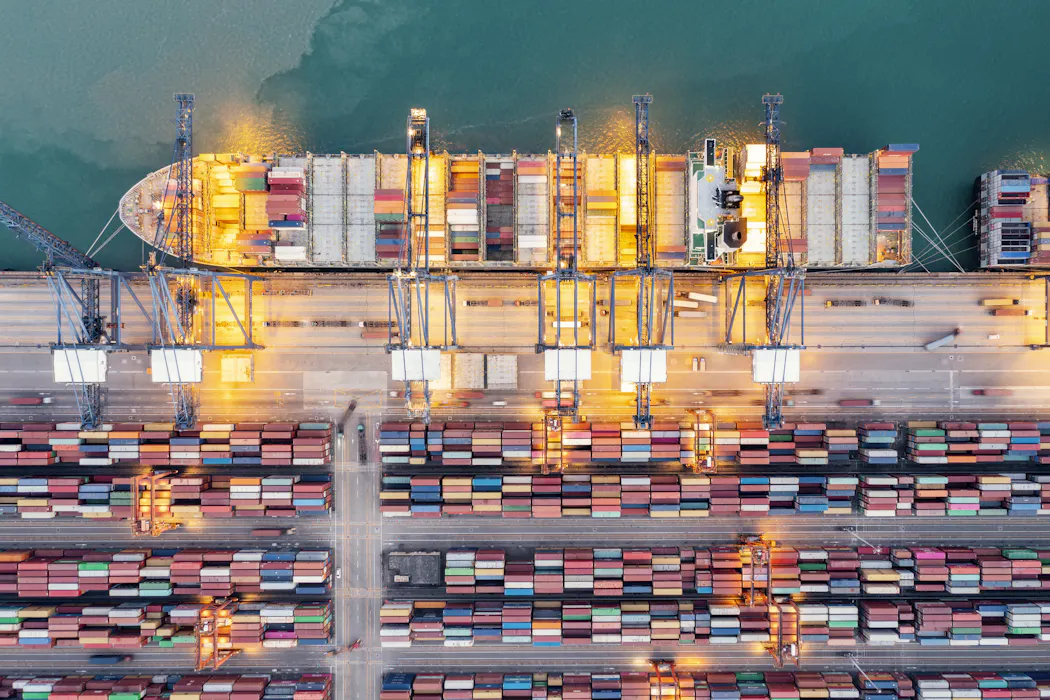
In coming months, shipments of solar panels will be unloaded from China’s cargo ships and added to power grids or as standalone energy sources everywhere from South America to West Africa. Once online, cheap daytime solar will reduce demand for pricier power from coal and gas plants.
This is exactly what happened in Pakistan, where an unreliable grid drove enormous solar uptake in recent years – and less demand for gas.
Solar panels usually displace coal and gas, given thermal power plants tend to burn these fossil fuels. But EVs directly displace oil.
This is why it’s significant that exports of EVs and batteries are now much more valuable to China than solar panels.
Solar and storage open up hard sectors
Solar produces cheap, abundant power. Batteries allow it to be used later. These technologies are useful first to clean up electricity generation and boost energy security.
But these two technologies can unlock much more. They can make it possible to electrify polluting sectors long considered “hard to abate”.
Electric options for heavy industry are multiplying. Electric arc furnaces are now replacing coal‑fired blast furnaces in steelmaking. High‑temperature electric heat pumps and electric boilers are replacing gas in some chemical and food‑processing plants, while heavy duty battery‑electric haul trucks are being trialled in mining and construction.
These technologies are still at an early stage. They’re often more expensive up-front. But the selling point is the fact they are cheaper to run – as long as electricity is fairly cheap.
This is exactly the outcome solar and battery combinations deliver.
Australia paving the way?
Last month, Australia imported nearly 1 GW of solar from China – a new monthly record.
This quiet surge happened even as leaders debated over whether to drill for more oil in Queensland or expand domestic fuel reserves.
The facts on the ground favour clean tech. Per capita, sun-drenched Australia has the most rooftop solar in the world. Battery storage is growing very fast. The main power grid is now at 50% renewables. Uptake of EVs is surging after a slow start.
The next big thing will be clean tech for heavy industry and mining. Some mine sites already get most of their power from renewables, while electrified fleets are developing.
Cleantech is here
China’s export boom shows cleantech is becoming the new engine of the global energy system. The scramble for oil is a stopgap measure.
Higher oil prices will only spur on the search for alternatives – just as they did during the first oil shocks over 50 years ago.
This time, though, the oil shock has hit in the midst of the fastest energy transition in human history.
Authors: Ray Wills, Adjunct Professor, The University of Western Australia


















