

Plates, cups and takeaway containers shape what (and how) we eat
- Written by: Abby Mellick Lopes and Karen Weiss
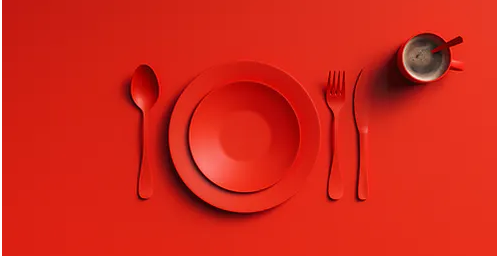
Home cooks have been trying out their skills during isolation. But the way food tastes depends on more than your ability to follow a recipe.
Our surroundings, the people we share food with and the design of our tableware – our cups, bowls and plates, cutlery and containers – affect the way we experience food.
Read more: Should we eat breakfast like a king, lunch like a prince, and dinner like a pauper?
For example, eating from a heavier bowl can make you feel food is more filling and tastes better than eating from a lighter one.
Contrast this with fast food, which is most commonly served in lightweight disposable containers, which encourages fast eating, underestimating how much food you’re eating, and has even been linked to becoming impatient.
These are just some examples of the vital, but largely unconscious, relationship between the design of our tableware – including size, shape, weight and colour – and how we eat.
In design, this relationship is referred to as an object’s “affordances”. Affordances guide interactions between objects and people.
As Australian sociologist Jenny Davis writes, affordances:
…push, pull, enable, and constrain. Affordances are how objects shape behaviour for socially situated subjects.
Designed objects don’t make us do things.
The colour of your crockery
When you visit a restaurant, the chances are your dinner will be served on a plain white plate.
But French chef Sebastien Lepinoy has staff paint the plates to match the daily menu and “entice the appetite”.
Research seems to back him up. Coloured plates can enhance flavours to actually change the dining experience.
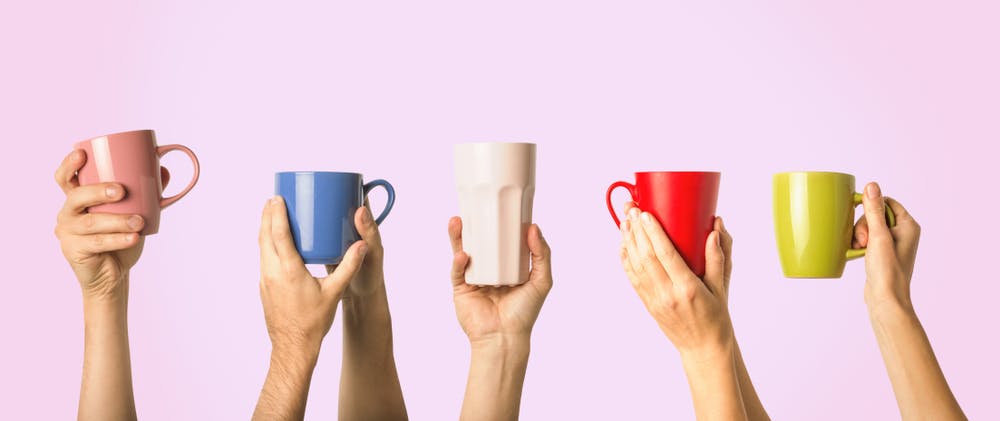 The colour of your mug can influence the taste of your coffee. Shutterstock
In one study, salted popcorn eaten from a coloured bowl tasted sweeter than popcorn eaten from a white bowl. In another, a café latte served in a coloured mug tasted sweeter than one in a white mug.
This association between colour and taste seems to apply to people from Germany to China.
A review of multiple studies conducted in many countries over 30 years finds people consistently associated particular colours with specific tastes.
Red, orange or pink is most often associated with sweetness, black with bitterness, yellow or green with sourness, and white and blue with saltiness.
Read more: Bitter coffee today? Try changing the colour of your cup
The size of your plate
The influence of plate size on meal portions depends on the dining experience and whether you are serving yourself. In a buffet, for example, people armed with a small plate may eat more because they can go back for multiple helpings.
Nonetheless, average plate and portion sizes have increased over the years. Back in her day, grandma used to serve meals on plates 25cm in diameter. Now, the average dinner plate is 28cm, and many restaurant dinner plates have expanded to 30cm.
Our waistlines have also expanded. Research confirms we tend to eat more calories when our plates are larger, because a larger capacity plate affords a greater portion size.
Plastic is too often ignored
The pace of our busy lives has led many people to rely on those handy takeaways in disposable plastic food containers just ready to pop into the microwave. And it’s tempting to use plastic cutlery and cups at barbecues, picnics and kids’ birthday parties.
In contrast to heavy, fragile ceramic tableware, plastic tableware is designed to be ignored. It is so lightweight, ubiquitous and cheap we don’t notice it and pay little mind to its disposal.
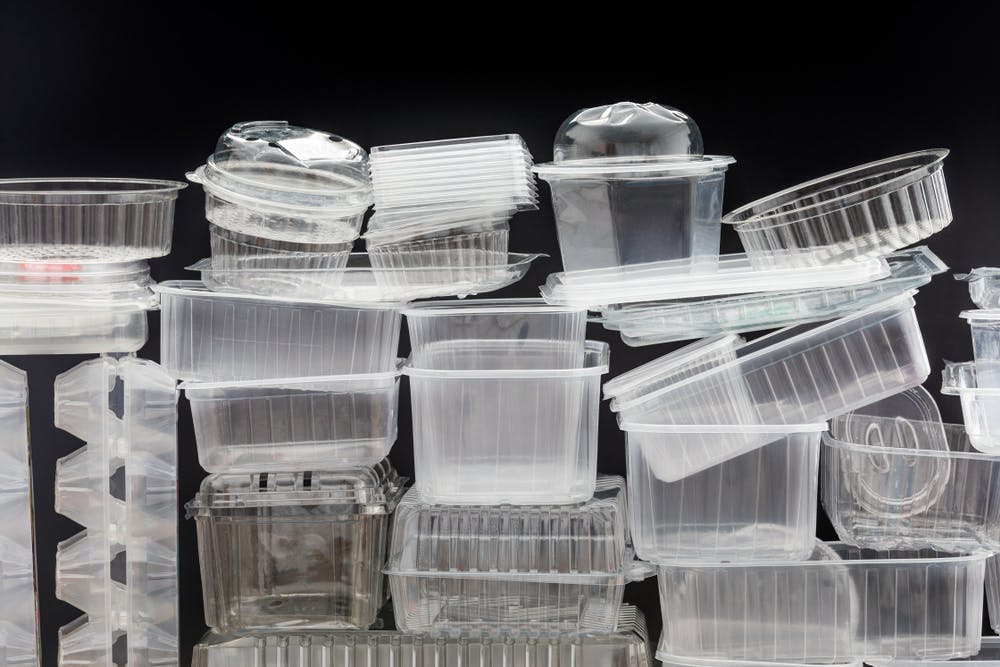 Plastics change the way we eat and drink. Shutterstock
Plastics have also changed how we eat and drink. An aversion to the strong smell of plastic containers that once might have caused people to wrap their sandwiches before placing them in Tupperware seems to have disappeared. We drink hot coffee though plastic lids.
Australian economic sociologist Gay Hawkins and his colleagues argue lightweight, plastic water bottles have created entirely new habits, such as “constant sipping” on the go. New products are then designed to fit and reinforce this habit.
Aesthetics matter
Healthy eating is not only characterised by what we eat but how we eat.
For instance, eating mindfully – more thoughtfully and slowly by focusing on the experience of eating – can help you feel full faster and make a difference to how we eat.
And the Japanese cuisine Kaiseki values this mindful, slower approach to eating. It consists of small portions of beautifully arranged food presented in a grouping of small, attractive, individual plates and bowls.
This encourages the diner to eat more slowly and mindfully while appreciating not only the food but the variety and setting of the tableware.
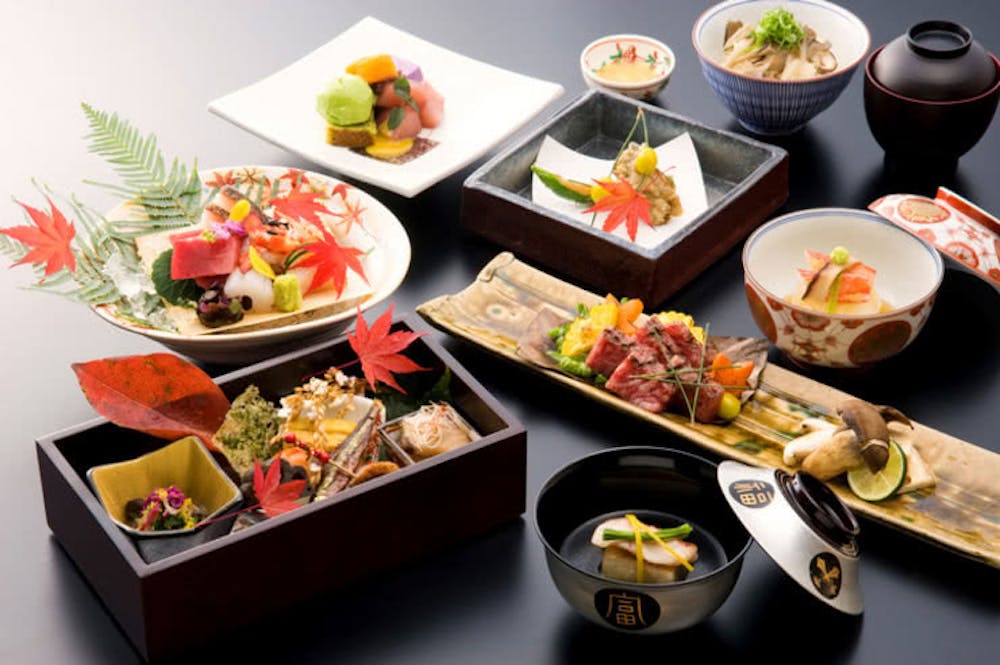 The Japanese cuisine Kaiseki encourages slow and deliberate eating. Savour Japan (used with permission), Author provided (No reuse)
Japanese people’s slower eating practices even apply to “fast food”.
One study found Japanese people were more likely to eat in groups, to stay at fast food restaurants for longer and to share fast food, compared with their North American counterparts.
Affordance theory is only now starting to account for cultural diversity in the ways in which designed objects shape practices and experiences.
The studies we have reviewed show tableware influences how we eat. Size, shape, weight, colour and aesthetics all play a part in our experience of eating.
This has wide implications for how we design for healthier eating – whether that’s to encourage eating well when we are out and about, or so we can better appreciate a tastier, healthier and more convivial meal at home.
Authors: Abby Mellick Lopes, Associate Professor, Design Studies, Faculty of Design, Architecture and Building, University of Technology Sydney
Read more https://theconversation.com/plates-cups-and-takeaway-containers-shape-what-and-how-we-eat-137059

















