













Google AI


Modern Australian Magazine

Pool and Deck Design: How to Plan the Perfect Outdoor Living Space for Your Sydney Home

For many Australians, the backyard is where life happens. Summer barbecues, weekend swims and long evenings outdoors are all part of the lifestyle, ...

Is Solar Pool Heating Worth It? What Sydney Homeowners Should Know

There's nothing quite like a backyard pool on a hot Sydney day. But once autumn rolls in, many pools sit unused for months because the water is simp...

Planning a Luxury House Move: A Week-by-Week Timeline for Prestige Sydney Homes

Selling or buying a prestige home is a major milestone. Whether it's a waterfront residence in Birchgrove, a grand Federation home in Haberfield or ...

Downsizing or Upgrading Your Caravan? Here's How to Sell It Without the Hassle

Selling a caravan can feel like a major task, especially when you are unsure about its value, paperwork, or how to find a buyer. Whether you are dow...

The Best Overseas Adventure Holidays for Australians Who Love the Outdoors

Australia offers no shortage of incredible outdoor experiences, but sometimes the best way to satisfy your sense of adventure is to head overseas. A...

Cape Town Wine Shuttle: Winelands Tasting & Tours

Embark on an unforgettable journey through the picturesque Cape Winelands, where world-class wines and breathtaking scenery await. Our Cape Town Win...

Why Giant Rats Tail Grass Keeps Coming Back After Spraying

Giant Rats Tail Grass (GRT) is one of the most frustrating pasture weeds for farmers and lifestyle property owners. You spray an infested area, see th...

When Custom Cardboard Boxes Make Sense for Your Business

Custom cardboard boxes can be useful when a standard carton does not fit a product, packing method or presentation requirement particularly well. A ...

Virtual Livestock Fencing and GPS Tracking: Improving Visibility Across Cattle Properties

What Virtual Livestock Fencing Means for Modern Cattle Management Managing cattle across extensive properties requires more than knowing where anim...

Sydney Pawnbrokers Explained: How Hocking Your Car Actually Works

Sometimes you need cash, and you need it soon. If you own a car, you may already have a way to get it. That's what people mean when they say they've...

Moving Interstate from the Gold Coast to Brisbane (or Back)? What Removalists Wish You Knew First

Have you talked to anyone who’s done the move? They say the same thing: the drive up the M1 is the easy part. It's everything around it that catches...

Why the Spring School Holidays Are a Great Time to Visit Coffs Harbour

The spring school holidays are a good time to spend a few days on the Coffs Coast. The weather is starting to warm up, there is plenty to do outdoor...

Keeping Lone and Remote Workers Safe: Employer Duties and Practical Solutions
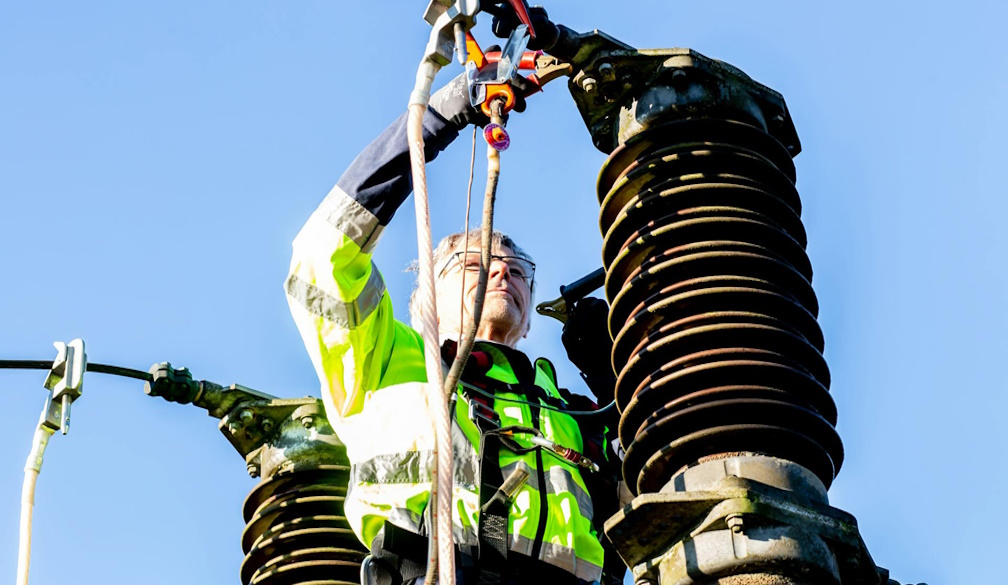


In Australia, thousands of employees work alone, in remote locations, or in direct contact with the public every day. While these roles are critical to the functioning of many industries — from mining and agriculture to community services, utilities and retail — they can expose workers to unique and serious risks.

Employers have a legal and moral obligation to protect these workers by identifying risks, putting control measures in place, and ensuring that workers can access help when needed. This article explores the dangers lone and remote workers face, the employer’s duty of care under Australian law, and the measures and technologies that can help keep employees safe.

The Risks to Lone and Remote Workers

Lone workers — employees who perform their tasks without direct supervision or colleagues nearby — and those in remote areas or public-facing roles encounter several specific dangers:

  1. Accidents and Medical Emergencies

Without colleagues nearby, even a minor accident can quickly become life-threatening. For example:

  • A fall while climbing equipment or traversing rough terrain.
  • Getting caught in machinery.
  • Experiencing a medical event such as a heart attack, allergic reaction, or heatstroke.

In remote locations, the delay in emergency response due to distance or poor communications infrastructure only increases the risk.

  1. Environmental Hazards

Remote workers are often exposed to harsh conditions, such as:

  • Extreme heat or cold.
  • Wildlife encounters (snakes, insects, aggressive animals).
  • Floods, bushfires or cyclones.

  1. Violence or Aggression

Those who interact directly with the public — in retail, healthcare, social work, and compliance roles — may face aggression, verbal abuse, or even physical assault from members of the public.

  1. Psychological Risks

Working alone or remotely can also impact mental health, with feelings of isolation, stress, or anxiety being common if adequate support and contact are lacking.

Employer Duty of Care in Australia

Australian employers have a legal duty of care under the Work Health and Safety Act 2011 (WHS Act) and related state and territory laws. The legislation requires that employers provide a workplace that is safe and without risk to health, so far as is reasonably practicable.

Key obligations include:

  • Identifying hazards and assessing risks specific to lone, remote and public-facing work.
  • Implementing controls to eliminate or minimise these risks.
  • Ensuring workers have the necessary information, training, equipment and support.
  • Having processes in place for regular communication, monitoring and emergency response.

Employers can face significant fines or even prosecution if found to have failed in their duty of care.

Measures to Protect Lone and Remote Workers

  1. Risk Assessment and Procedures

The first step is a thorough risk assessment. Employers should:

  • Document the hazards specific to each role.
  • Develop safe work procedures, including check-in/check-out protocols and emergency plans.
  • Provide training in situational awareness, conflict de-escalation, and first aid.

  1. Communication Systems

Reliable communication is crucial. Options include:

  • Mobile or satellite phones for areas without reliable mobile coverage.
  • Two-way radios with emergency channels.
  • Scheduled contact times to ensure workers check in regularly.

  1. Personal Safety Devices

Technology now offers a range of personal safety devices tailored to lone and remote workers:

  • Duress alarms: Wearable or handheld devices that can silently alert a supervisor or monitoring centre if the worker feels threatened.
  • Man-down alarms: Detect if a worker falls or remains motionless for a period and automatically send an alert.
  • GPS-enabled devices: Allow employers to locate workers in real time, which is particularly useful in remote areas.
  • Body-worn cameras: In public-facing roles, these can deter aggression and provide evidence if an incident occurs.

  1. Monitoring Services

Many companies use third-party monitoring centres that respond to alerts, check on workers who miss scheduled check-ins, and escalate emergencies to appropriate services quickly.

Building a Culture of Safety

Beyond equipment and procedures, employers should foster a workplace culture where workers feel supported and encouraged to speak up about risks or incidents. Regular reviews of safety procedures, consulting workers on improvements, and ongoing training are all vital components.

Final Thoughts

In Australia, keeping lone and remote workers safe is not just a legal requirement but also a moral imperative. By understanding the risks, fulfilling their duty of care, and investing in the right systems and technologies, employers can create a safer working environment for everyone — whether they’re on a remote cattle station, in a city retail store, or on the road between clients.

If you’re an employer, now is the time to review your policies and ensure you’re doing everything reasonably practicable to protect your most valuable asset — your people.

Holidays & Travel

The Best Overseas Adventure Holidays for Australians Who Love the Outdoors

Australia offers no shortage of incredible outdoor experiences, but sometimes the best way to satisfy your sense of adventure is to head overseas. A change of scenery can introduce you...

Why the Spring School Holidays Are a Great Time to Visit Coffs Harbour

The spring school holidays are a good time to spend a few days on the Coffs Coast. The weather is starting to warm up, there is plenty to do outdoors...

Simple Ideas for Making Social Gatherings More Memorable

We have all been to those parties where everyone just stands around the kitchen island, staring at their phones, waiting for someone else to make a move. The room feels...

Caravan Sales in Queensland: How to Find the Right Caravan for Sale QLD

Caravan ownership is about more than having somewhere to sleep while travelling. For many Queenslanders, it is one of the best ways to explore regional destinations and enjoy weekends away...

Vista Cruises Enters "Two-Flagship Era" as Vista Aurora Completes Inaugural Voyage

Vista Aurora Sets Sail along the Yangtze. (Photo courtesy of the company)YICHANG, China — August 5, 2026 — Vista Aurora, a high-end interprovincial vacation cruise ship operated by Hubei Three...

Caravan Travel for Modern Australian Getaways: Plan a Comfortable Holiday

A family road trip is one of the best ways to explore Australia together. And, travelling by caravan gives you the freedom to take your time, stop at interesting destinations...

Where to Enjoy Your Off-Road Caravan on the Gold Coast

With a caravan, you can travel anywhere and everywhere without battling the rush of the peak holiday season or last-minute reservations. While the rest of the country queues up to...

Why Holiday Home Owners Turn to Rental Management Agents

The Allure — and the Reality — of Renting Out Your Property Owning a holiday home is a dream for many Australians. Whether it's a beachside shack on the Mornington Peninsula...

Tiny Towns funding granted for Mt Hotham and Mt Buller upgrades

Alpine Resorts Victoria (ARV) has welcomed funding support from the Victorian Government’s  Tiny Towns Fund, with both Mt Hotham and Mt Buller securing grants to deliver important  community and visitor...

Fashion & Beauty

What’s Trending in Men’s Jewellery This Father’s Day!

Finding a Father’s Day gift that feels personal, stylish and genuinely wearable is not always easy. While socks and novelty mugs have traditionally dominated the occasion, jewellery is emerging as...

The Growing Popularity of Lab Grown Diamonds in Sydney and Hong Kong

The diamond industry has changed significantly in recent years as more buyers seek ethical, affordable, and sustainable alternatives to mined diamonds. One of the biggest trends driving this change is...

The Winter Jewellery Edit: Five Pieces You'll Wear All Season

As wardrobes shift to cosy knits, tailored coats and rich seasonal textures, jewellery becomes the finishing touch that pulls every winter outfit together. This season is all about timeless gold...

Why Your Skin Breaks Out: The Science of Acne Explained

Acne is the most common skin condition in the world. An estimated 85% of people experience it at some point between the ages of 12 and 24, and a growing...

10 Swimwear Trends Australian Women Are Wearing This Summer

Every Australian summer brings a fresh wave of swimwear trends, but some styles have much greater staying power than others. While fashion constantly evolves, today's beachwear is less about following...

Why Laser Hair Removal Treatments Continue Growing In Popularity

Managing unwanted hair can become time-consuming and frustrating for many people, especially when shaving, waxing, and other temporary methods require constant maintenance. Frequent hair removal routines may also contribute to...