

Why More Homes and Businesses Are Choosing an Electric Sliding Door
- Written by: Modern Australian
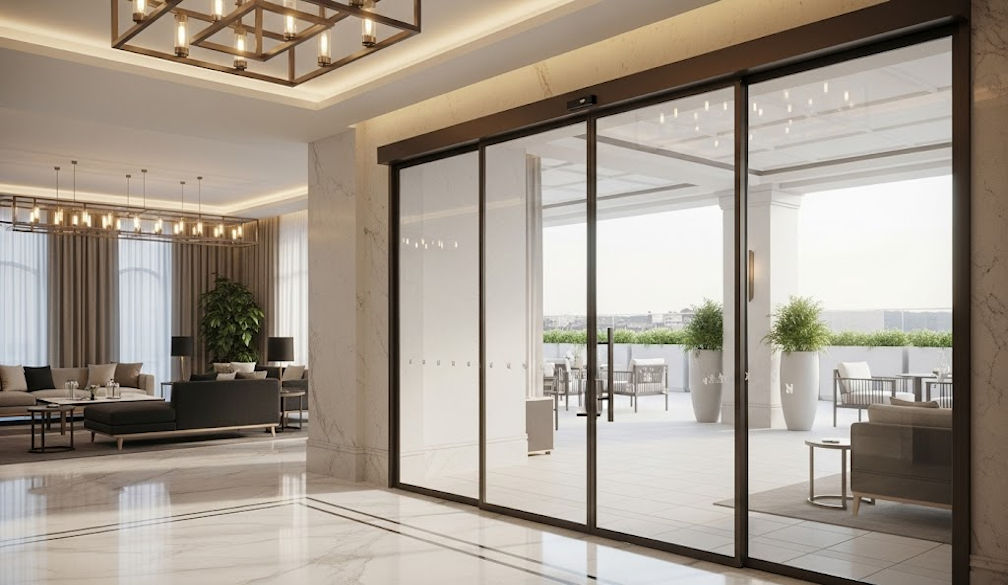
Convenience, aesthetics, and technology often go hand in hand when it comes to architectural choices. One solution that delivers all three is the electric sliding door. These motorized doors are increasingly being seen in commercial buildings and modern homes, offering hands-free access and a sleek, professional look. They are especially beneficial in high-traffic environments or locations that require enhanced accessibility and energy control.
An electric sliding door functions using a low-voltage motor system that moves the door along a horizontal track. Activation occurs via motion sensors, remote control, keypads, or even smart home apps. In commercial settings, these doors are used to ease crowd movement while ensuring safety and comfort. In residential applications, they provide a smooth transition between indoor and outdoor areas such as patios, balconies, or gardens.
One of the standout advantages of an electric sliding door is its ability to make any space more accessible. For individuals with limited mobility or families with young children, the option to open doors without using hands is extremely valuable. The doors open and close quickly, preventing the need to physically pull or push a heavy panel, which is especially useful in areas where hygiene or convenience is a priority.
Energy efficiency is another significant benefit of using an electric sliding door. These doors help maintain interior temperature by minimizing the amount of time they remain open. With quick automatic motion and optional air-seal features, they reduce heat loss during winter and prevent cool air from escaping in summer. Some models also feature thermal-insulated glass or weatherproof framing, adding another layer of energy control to your home or workplace.
Aesthetically, the electric sliding door fits perfectly into both commercial and residential design plans. The panels are typically made of clear or tinted glass with aluminum or stainless-steel frames, though customization options abound. Some homeowners prefer frameless designs for a cleaner look, while businesses often opt for bold, branded glass options to enhance visibility and professionalism.
Safety is always a top concern when installing automatic features. Fortunately, the electric sliding door includes various mechanisms that ensure safe usage. Infrared or laser sensors detect any obstacle in the doorway and immediately stop or reverse the motion. Emergency break-away features allow for manual opening during power outages or emergencies. In many models, access control features such as biometric locks or key card entry can be added for increased security.
For commercial buildings such as hospitals, retail stores, or office complexes, the electric sliding door improves flow and reduces bottlenecks during busy periods. In residential settings, these doors enhance daily routines and often become a focal point in open-plan designs. Their low noise level and seamless function contribute to a peaceful and orderly environment.
Installation of an electric sliding door requires proper structural support and electrical access. It’s recommended to consult with a certified installer who can assess your space and advise on the most suitable configuration. Options include single-panel, double-panel, telescoping, and corner-slide models. Each has its advantages depending on the available wall space, entry size, and desired design.
Many modern electric sliding door systems come with smart home compatibility, allowing you to operate the door via app, voice command, or home automation routines. Integration with alarm systems or lighting controls also adds another dimension of convenience. You could, for example, program the door to lock at night automatically or open as you approach with your smartphone in hand.
From a financial standpoint, the cost of an electric sliding door varies by features and size. Basic models with limited customization are more budget-friendly, while high-end options with smart integration, reinforced glass, and security features will come at a premium. Regardless of price point, the long-term savings on energy and the increase in property value often offset the initial expense.
The electric sliding door also offers benefits from a sustainability perspective. Because it helps regulate indoor climate and minimize HVAC use, it contributes to a building’s energy efficiency goals. Some models are now available with solar-powered motors or built-in battery backups, reducing the system’s reliance on grid power and enhancing resilience during outages.
Maintenance for an electric sliding door is straightforward but essential. Keeping the track free of debris, periodically checking motor function, and ensuring sensor alignment can extend the life of the door. Manufacturers often provide service guidelines and may offer maintenance contracts to simplify this process for the user.
In conclusion, the electric sliding door is more than just a modern accessory—it’s a forward-thinking solution that enhances the functionality and visual appeal of any space. With benefits ranging from accessibility and energy savings to sleek design and smart integration, it’s no wonder these doors are becoming a staple in both homes and businesses. Choosing to install an electric sliding door is an investment in ease, efficiency, and elegance.




















