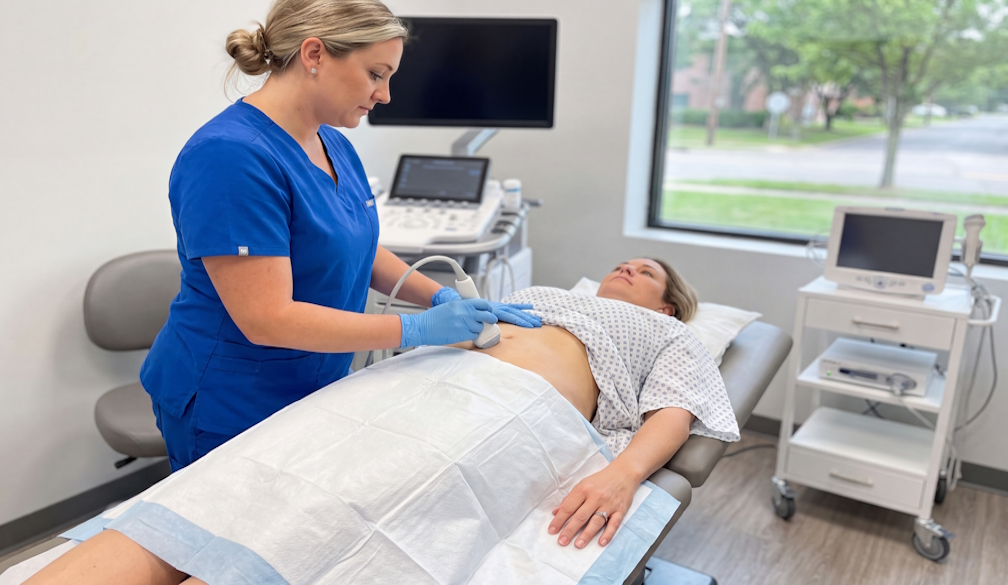
what's the difference and which one should I get?
- Written by Charlotte Ganderton, Lecturer, Swinburne University of Technology, Swinburne University of Technology
Many of us might not be as fit as we were before the pandemic hit, and as community sport restarts and gyms reopen across the country amid eased coronavirus restrictions, some people might be at increased risk of injury.
If you do pull your hamstring in your first game back, or work from home life has left you with a sore neck and headaches, you might think about visiting a health-care professional to treat your complaint.
But your sister sees a physiotherapist, your mother a chiropractor, your friend an osteopath and your cousin a myotherapist. All of them come highly recommended, so who do you choose to help manage your aches and pains, and what are the differences between the four?
In Australia, physiotherapists, osteopaths and chiropractors have extensive university training and are registered with the Australian Health Practitioner Regulation Agency (AHPRA). Myotherapists have completed an advanced diploma or bachelors degree in myotherapy or “musculoskeletal therapy”, but aren’t registered with AHPRA. All four types of health professionals are primary contact practitioners. This means you don’t need a GP referral to seek treatment.
You will find all four in private health care, but you’re more likely to be treated by a physiotherapist in the public sector (for example, at public hospitals) compared to chiropractors, osteopaths and myotherapists.
Read more: The chiropractic war with reality rages on...
Similar definitions, on paper
A physiotherapist assesses your problem, provides a diagnosis and helps you understand what’s wrong while considering your general health, activities, and lifestyle. They treat your complaint with a variety of “active” therapies, such as exercise programs and hydrotherapy. They also use “passive” therapies, such as massage, joint manipulation, and mobilisation (a technique used to increase movement of a joint).
There are many different sub-disciplines within physiotherapy. For example, some specialise in treating problems that arise from neurological conditions, like multiple sclerosis or stroke. Some also focus on assisting patients with heart and lung conditions, for example emphysema or after lung infections like pneumonia (or COVID!).
A chiropractor works on the diagnosis, treatment and prevention of mechanical disorders of the muscles, ligaments, tendons, bones and joints, and the effect on the nervous system. They have an emphasis on passive manual treatments, including joint and soft-tissue manipulation, and spinal adjustments. They may also prescribe exercises to help you rehabilitate from your condition as well as provide dietary advice.
Over the last decade, some forms of chiropractic care have come under media and scientific scrutiny, particularly in children and infants, and should therefore be approached with caution.
Read more: Chiropractic care in pregnancy and childhood – a castle built on a swamp
An osteopath focuses on the muscular and nervous systems, assessing the structure of the body to determine its impact on function. For example, the position of your spine and pelvis may impact on the way you reach over to weed your garden. Treatment involves a combination of active and passive therapies, including joint manipulation and mobilisation, massage, as well as postural advice and exercise programs.
A myotherapist works to assist your aches and pains by focusing on the muscles and joints. They offer a range of mostly “hands-on” treatments including dry needling, massage and joint mobilisation, but can also prescribe exercises.
The profession is not registered with AHPRA. Myotherapists are not formally recognised under the umbrella of allied health in some regions of Australia. As such, they were forced to delay reopening as coronavirus restrictions eased in Melbourne, as allied health including physiotherapists were allowed to reopen first.
There’s a lot of crossover in treatments offered between the four professions and not all services offered are supported by high-quality scientific research.
 The discipline of chiropractic has come under intense scientific scrutiny and should be treated with caution.
Shutterstock
The discipline of chiropractic has come under intense scientific scrutiny and should be treated with caution.
Shutterstock
So, what is the scientific evidence?
Understanding if your health-care professional applies evidence-based practice to their treatment will help you decide which therapist is right for you.
Evidence-based practice relates to how any health professional integrates their clinical knowledge with the best available research evidence, and your individual values and circumstances, to assess and manage your health-care complaint. Whether or not this is implemented into daily practice will vary on the individual therapist, and may not be consistent across the entire profession.
Scientific evidence supports the use of treatments where you, as the client, are actively involved in the management of your condition, including education and undertaking an exercise plan — what we call “exercise prescription”.
The breadth of scientific evidence for exercise prescription as a treatment for muscle, ligament, tendon, bone and joint complaints far outweighs the limited scientific support for the prolonged use of “passive” treatments like massage, manipulation, and adjustments. Research suggests these passive treatments should only be used as adjuncts to active treatments. This type of therapy may be appropriate in the early stages of your care, and let’s face it, most people love a massage.
However, in the long term, it doesn’t equip you with the skills required to manage your condition. It may even result in over-reliance on your health-care professional and cost you more in the long run. It’s important to find a health-care professional that empowers you to participate in appropriate exercise, develop skills to self-manage your aches and pains and maintain a healthy, active lifestyle.
 The evidence suggests health care that empowers you to take control of your condition is more effective than passive therapies like massage, in the long run.
Shutterstock
The evidence suggests health care that empowers you to take control of your condition is more effective than passive therapies like massage, in the long run.
Shutterstock
Anecdotally, we think that physiotherapists and osteopaths are well equipped to implement an active management plan for your aches and pains. However, as an individual, you should seek out a health-care professional that supports you to manage your own condition. You could do this by speaking to your doctor, reading the biography of your practitioner, or phoning the clinic to enquire about the type of care provided prior to booking an appointment. Your health professional should be someone that walks alongside you and guides you on your rehabilitation journey.
Here are some questions you can ask yourself to help decide if the health-care professional is the right fit for you:
will they consider my overall health status, social situation, and hobbies to create a treatment plan?
will they educate me on the importance of actively self-managing my aches and pains?
will they encourage me to undertake exercise and/or physical activity?
will they ask me about my goals and what I want the outcome to be?
will they help me determine what to do if my aches and pains flare up in the future?
Authors: Charlotte Ganderton, Lecturer, Swinburne University of Technology, Swinburne University of Technology