When I work with people with eating disorders, I see many rules around 'good' and 'bad' foods – but eating is never that simple
- Written by Vivienne Lewis, Assistant professor – Psychology, University of Canberra

We usually think of eating as simple – a biological response to how hungry or full we feel.
But eating and enjoyment is a very complex process. Our upbringing, the influence of others such as family and friends, our emotions, media, education and our health status are all strong influences on how, what and when we eat. Then there is how food is cooked and prepared, our religious beliefs and values, and our access to food.
When I work with people with eating disorders, I frequently hear loved ones asking why sufferers don’t just eat like a “normal person”. They can’t understand why they struggle to eat. I try to explain eating is strongly influenced by the way we think about food, our bodies and ourselves.
Experimenting with taste
Sensory sensitivity can have a strong influence on our food preferences. This can be a factor for people with autism, who might be sensitive to how foods taste, feel, look or smell.
They might be hypersensitive to sensations others wouldn’t be bothered by. For example, they may not like the way a food feels in their mouth and so develop an aversion to that type of food.
Often this is called “fussy eating” where a person won’t eat certain foods. Hypersensitivity becomes a problem if it means a person is very restricted in what they will eat to the point where they may become malnourished or unhealthy as a result of their food choices. This can be annoying and concerning for families and loved ones. Specialist dietitians and psychologists may be able to work with people with aversions and sensitivities.
People who are not autistic may maintain dietary restrictions and preferences too. Our culture and familiarity with certain foods affect our eating habits and enjoyment of food. How experimental we are with foods often depends on how varied our diet has been growing up. For example, when children are exposed to a limited variety of foods they are often less inclined to try unfamiliar foods as adolescents and adults due to a fear of the unknown.
Read more: Six ways to improve meal times with your children
Eating as a chore
Some people avoid eating and take a long time to eat foods. In extreme cases, this is associated with restrictive eating disorders and food aversions.
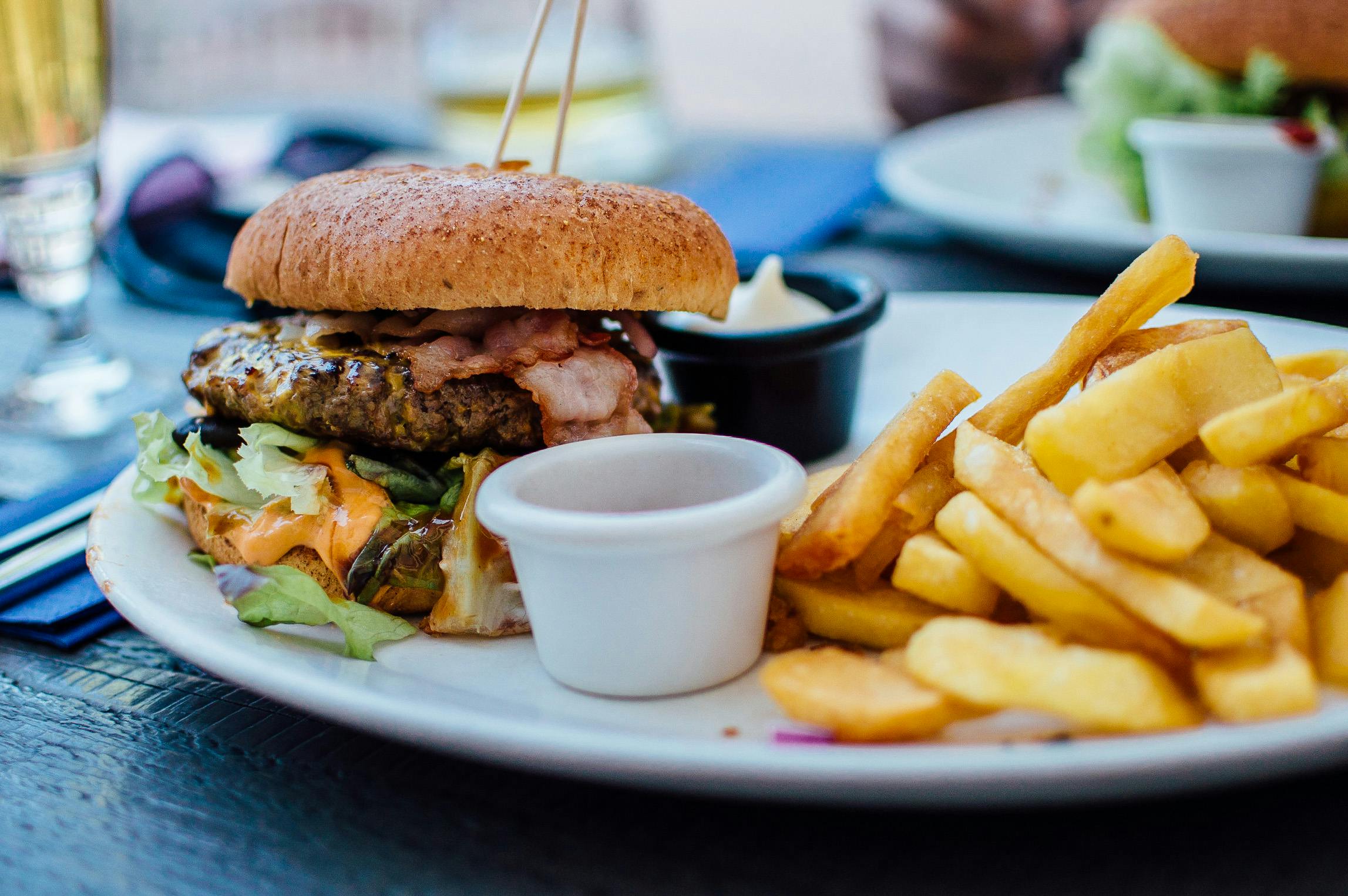
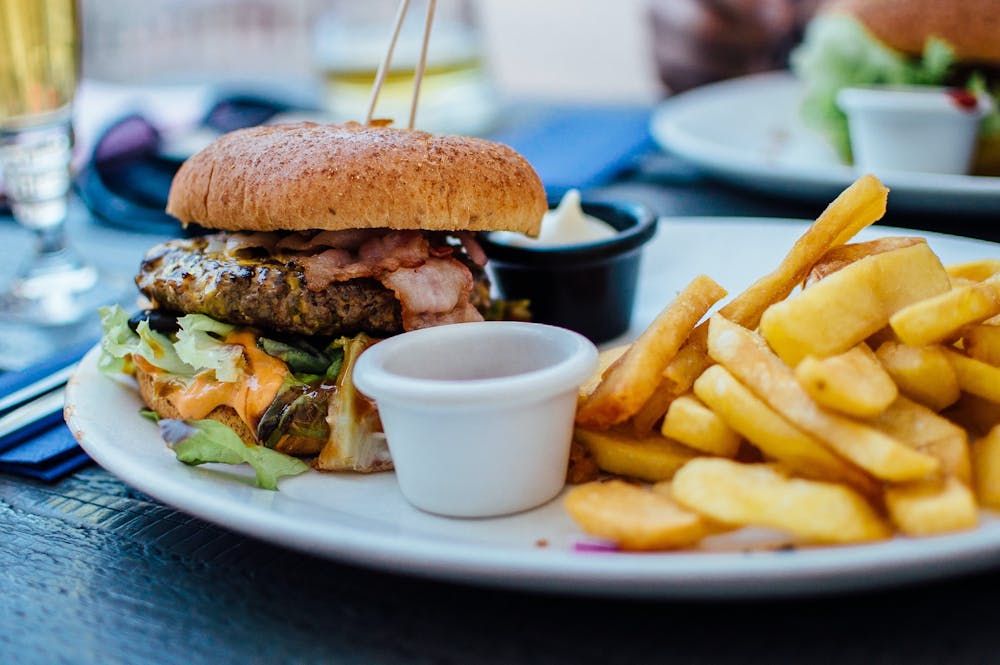
Food aversion is when a person doesn’t enjoy food or gets very little pleasure from eating. Meals may be seen as an inconvenience or chore. People may only eat highly processed foods such as takeaway or drive-through burgers. They might go long periods without eating if the limited food they like isn’t available. It’s like a phobia of eating.
If people lose a lot of body weight due to their reluctance to eat or become unhealthy generally, treatment revolves around eating by the clock and setting a routine as well as desensitisation to food, which can make it more of a chore. Eating more socially with friends and making the eating experience more pleasurable can help.
Sometimes when meal times have been associated with negative experiences such as arguing at dinner time, the pleasure of eating with family can be lost. Pairing eating with pleasurable interactions is important for healthy eating.
Good foods and bad foods
Food preferences can also be learnt. In eating disorders such as anorexia nervosa, people develop a lot of rules around what foods are “good” or “bad”. Usually we attach these value judgements to low calorie or “healthy” foods. Eating these foods might make a person feel more comfortable and positive about themselves. If they eat “bad” foods, typically those high in sugar and carbohydrates, they might feel guilty and negative about their body and themselves.
When these beliefs become rigid and restrictive, re-education can help people be more flexible with their eating such as being able to eat foods without guilt. I like to talk about all foods being “good” foods and focusing on their function in and for the body. For example, sugar helps give us energy, carbohydrates help us concentrate.
Read more: Treating a child's mental illness sometimes means getting the whole family involved
Food as reward
We also eat in response to our emotions. We might engage in “stress eating” to distract ourselves from a pressing problem, or eat treats to reward ourselves for doing something we don’t like.
When children are given lollies, ice cream or something else they really like to eat and perhaps don’t have very often for good behaviour or an achievement, food becomes a powerful reward.
The reverse action – being deprived of food, such as dessert, for poor behaviour – is also powerful.
 Giving ice creams and treats as rewards for good behaviour can set up powerful associations.
Pexels/Jean Balzan, CC BY
Giving ice creams and treats as rewards for good behaviour can set up powerful associations.
Pexels/Jean Balzan, CC BY
Complex associations
So, the way we eat and what we eat is related to how we are feeling, who we are with, our experiences with food, our associations with particular types of foods, as well as our simple biological need for fuel and energy.
More than just a simple response to hunger, our relationship with food is a complex interplay of our emotions, our familiarity with food, our senses and our culture and upbringing.
Authors: Vivienne Lewis, Assistant professor – Psychology, University of Canberra