Can we be inoculated against climate misinformation? Yes – if we prebunk rather than debunk
- Written by Christian Turney, Pro Vice-Chancellor of Research, University of Technology Sydney
Last year, the world experienced the hottest day ever recorded, as we endured the first year where temperatures were 1.5°C warmer than the pre-industrial era. The link between extreme events and climate change is clearer than ever. But that doesn’t mean climate misinformation has stopped. Far from it.
Misleading or incorrect information on climate still spreads like wildfire, even during the angry northern summer of 2023. Politicians falsely claimed the heatwaves were “normal” for summer. Conspiracy theorists claimed the devastating fires in Hawaii were ignited by government lasers.
People producing misinformation have shifted tactics, too, often moving from the old denial (claiming climate change isn’t happening) to the new denial (questioning climate solutions). Spreading doubt and scepticism has hamstrung our response to the enormous threat of climate change. And with sophisticated generative AI making it easy to generate plausible lies, it could become an even bigger issue.
The problem is, debunking misinformation is often not sufficient and you run the risk of giving false information credibility when you have to debunk it. Indeed, a catchy lie can often stay in people’s heads while sober facts are forgotten.
But there’s a new option: the prebunking method. Rather than waiting for misinformation to spread, you lay out clear, accurate information in advance – along with describing common manipulation techniques. Prebunking often has a better chance of success, according to recent research from co-author Sander van Linden.
How does prebunking work?
Misinformation spreads much like a virus. The way to protect ourselves and everyone else is similar: through vaccination. Psychological inoculation via prebunking acts like a vaccine and reduces the probability of infection. (We focus on misinformation here, which is shared accidentally, not disinformation, which is where people deliberately spread information they know to be false).
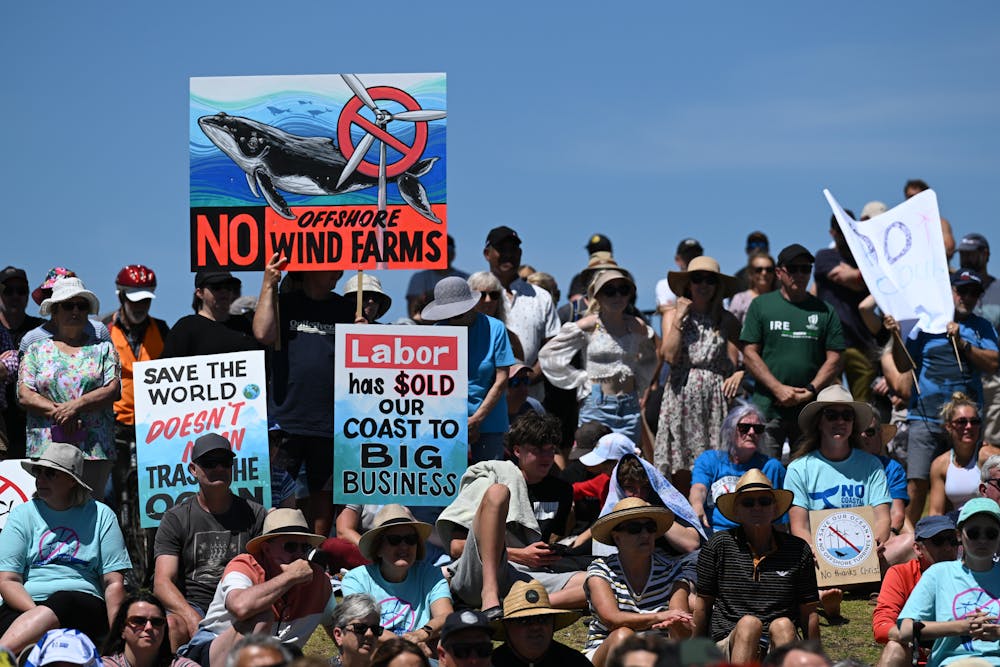
If you’re forewarned about dodgy claims and questionable techniques, you’re more likely to be sceptical when you come across a YouTube video claiming electric cars are dirtier than those with internal combustion engines, or a Facebook page suggesting offshore wind turbines will kill whales.
Inoculation is not just a metaphor. By exposing us to a weakened form of the types of misinformation we might see in the future and giving us ways to identify it, we reduce the chance false information takes root in our psyches.
Scientists have tested these methods with some success. In one study exploring ways of countering anti-vaccination misinformation, researchers created simple videos to warn people manipulators might try to influence their thinking about vaccination with anecdotes or scary images rather than evidence.
They also gave people relevant facts about how low the actual injury rate from vaccines is (around two injuries per million). The result: compared to a control group, people with the psychological inoculation were more likely to recognise misleading rhetoric, less likely to share this type of content with others, and more likely to want to get vaccinated.
Similar studies have been conducted on climate misinformation. Here, one group was forewarned that politically motivated actors will try to make it seem as if there was a lot of disagreement on the causes of climate change by appealing to fake experts and bogus petitions, while in fact 97% or more of climate scientists have concluded humans are causing climate change. This inoculation proved effective.
The success of these early studies has spurred social media companies such as Meta to adopt the technique. You can now find prebunking efforts on Meta sites such as Facebook and Instagram intended to protect people against common misinformation techniques, such as cherry-picking isolated data.
Read more: YouTube: how a team of scientists worked to inoculate a million users against misinformation
Prebunking in practice
A hotter world will experience increasing climate extremes and more fire. Even though many of the fires we have seen in recent years in Australia, Hawaii, Canada and now Chile are the worst on record, climate misinformation actors routinely try to minimise their severity.
As an example, let’s prebunk claims likely to circulate after the next big fire.
1. The claim: “Climate change is a hoax – wildfires have always been a part of nature.”
How to prebunk it: ahead of fire seasons, scientists can demonstrate claims like this rely on the “false equivalence” logical fallacy. Misinformation falsely equates the recent rise in extreme weather events with natural events of the past. A devastating fire 100 years ago does not disprove the trend towards more fires and larger fires.
2. Claim: “Bushfires are caused by arsonists.”
How to prebunk it: media professionals have an important responsibility here in fact-checking information before publishing or broadcasting. Media can give information on the most common causes of bushfires, from lightning (about 50%) to accidental fires to arson. Media claims arsonists were the main cause of the unprecedented 2019-2020 Black Summer fires in Australia were used by climate deniers worldwide, even though arson was far from the main cause.
3. Claim: “The government is using bushfires as an excuse to bring in climate regulations.”
How to prebunk it: explain this recycled conspiracy theory is likely to circulate. Point out how it was used to claim COVID-19 lockdowns were a government ploy to soften people up for climate lockdowns (which never happened). Show how government agencies can and do communicate openly about why climate regulations are necessary and how they are intended to stave off the worst damage.
 False information on bushfires can spread like a bushfire.
Toa55/Shutterstock
False information on bushfires can spread like a bushfire.
Toa55/Shutterstock
Misinformation isn’t going away
Social media and the open internet have made it possible to broadcast information to millions of people, regardless of whether it’s true. It’s no wonder it’s a golden age for misinformation. Misinformation actors have found effective ways to cast scepticism on established science and then sell a false alternative.
We have to respond. Doing nothing means the lies win. And getting on the front foot with prebunking is one of the best tools we have.
As the world gets hotter, prebunking offers a way to anticipate new variants of lies and misinformation and counter them – before they take root.
Read more: 7 ways to avoid becoming a misinformation superspreader
Authors: Christian Turney, Pro Vice-Chancellor of Research, University of Technology Sydney