

When Grief Doesn’t Follow a Timeline
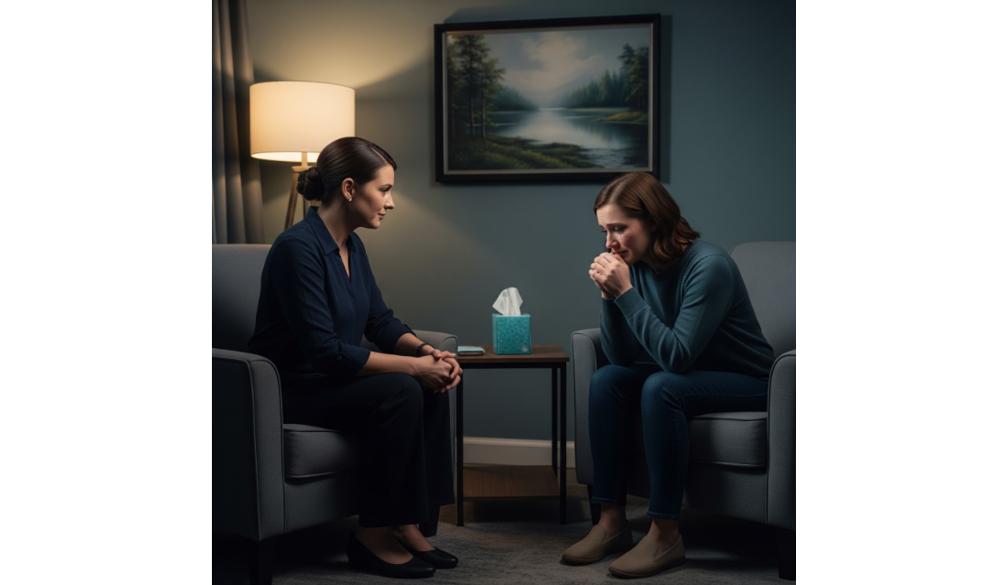
Grief rarely moves in a straight line. It doesn’t follow stages neatly, and it doesn’t respond well to pressure — especially the quiet pressure people place on themselves to “be okay” after a certain amount of time. For some, the early days feel manageable and the weight arrives later. For others, the intensity is immediate and overwhelming.
Loss changes routines, identity, and the rhythm of everyday life. And while friends and family may offer support in the beginning, that support often fades long before the emotional impact does.
The Different Forms of Loss
Grief is commonly associated with the death of a loved one, but it can also arise from many other life changes — relationship breakdowns, health diagnoses, job loss, or significant transitions. What matters is not whether others consider the loss “big enough,” but how deeply it has affected the individual.
Unacknowledged grief can sometimes feel isolating. When others move on quickly, it may create the impression that lingering sadness or confusion is somehow inappropriate.
When Grief Feels Stuck
It’s normal for emotions to ebb and flow. However, some people notice that weeks or months later, they are still struggling to function in daily life. Sleep may be disrupted. Concentration becomes difficult. Simple decisions feel heavier than they used to.
In these situations, support such as grief and loss counselling can provide space to process emotions without judgement or expectation. Counselling isn’t about “fixing” grief. It’s about understanding it, expressing it, and learning how to live alongside it.
The Pressure to Be Strong
Many adults feel a responsibility to remain steady for others — children, partners, colleagues. That sense of duty can lead to suppressing emotions rather than acknowledging them. Over time, unexpressed grief can surface as irritability, withdrawal, or emotional numbness.
Speaking openly in a confidential setting often allows feelings to be explored safely, without the need to protect others from discomfort.
Grief and Identity
Loss often shifts how people see themselves. Roles change. Future plans may feel uncertain. In some cases, individuals struggle not only with missing someone or something, but with adjusting to who they are now.
Grief and loss counselling can help explore these identity changes, offering guidance as individuals redefine routines and expectations.
There Is No “Correct” Way to Grieve
Cultural background, personality, and life experience all influence how someone processes loss. Some prefer to talk openly. Others need time before they feel ready. Comparing one’s grief to someone else’s rarely helps.
Support is most effective when it respects personal pace rather than imposing structure.
Allowing Space for Healing
Healing does not mean forgetting. It means gradually integrating the loss into everyday life in a way that feels manageable. That process can take time — and it may include setbacks along the way.
Grief and loss counselling offers a steady space during periods when emotions feel unpredictable. It allows individuals to reflect, question, and adjust without being rushed.
Moving Forward Without Letting Go
Grief does not have a fixed endpoint. Over time, the sharpness may soften, but memories and emotional connections remain. Seeking support does not mean something is wrong — it means acknowledging that loss has had an impact.
For adults navigating significant change, having a structured and compassionate environment to process grief can make the journey feel less isolating and more supported.


















