

Whiteboard Systems Supporting Clear Thinking and Visual Planning
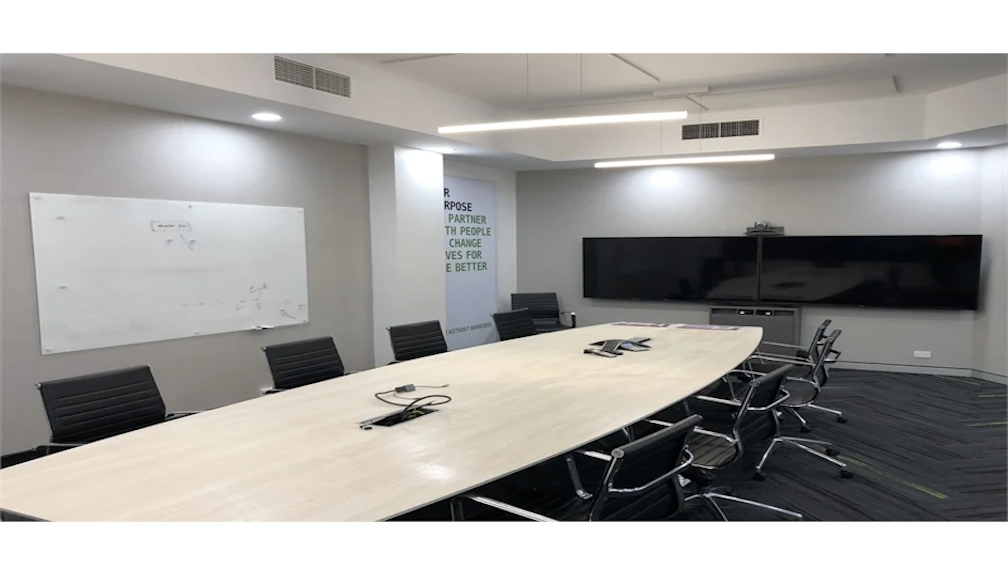
Effective communication often starts with making ideas visible. A whiteboard provides a clean, flexible surface where thoughts can be organised, shared, and refined in real time. Across offices, classrooms, training rooms, and creative spaces, whiteboards continue to be a trusted tool for improving clarity, collaboration, and productivity.
Unlike digital tools that sometimes slow down spontaneous thinking, whiteboards encourage immediate expression. Writing, drawing, and erasing ideas takes seconds, allowing discussions to flow naturally. This simplicity makes whiteboards especially valuable in environments where speed, interaction, and shared understanding are essential.
Why Whiteboards Remain Essential in Work Environments
Modern workplaces rely heavily on collaboration. Teams need spaces where plans can be visualised, processes mapped, and ideas tested openly. Whiteboards fulfil this role by acting as a shared thinking surface that everyone can engage with. During meetings, they help structure conversations and keep discussions focused.
Whiteboards also support transparency in daily operations. Project timelines, goals, and workflows displayed on a board keep everyone aligned. This visibility reduces misunderstandings and helps teams stay accountable, particularly in fast-paced or collaborative work cultures.
Enhancing Learning Through Visual Communication
In educational and training environments, visual explanation is a powerful learning aid. Whiteboards allow instructors to adapt lessons dynamically, responding to questions and adjusting explanations as needed. Concepts can be broken down visually, making them easier to understand and remember.
Learners benefit from this interaction as well. Seeing ideas written out step by step helps reinforce understanding, while participating at the board builds confidence and engagement. This active learning approach supports better knowledge retention compared to passive instruction alone.
Different Whiteboard Styles and Their Uses
Whiteboards are available in various formats designed to suit different spaces and purposes. Wall-mounted boards provide a permanent visual area for ongoing tasks or teaching. Mobile whiteboards offer flexibility, making them ideal for workshops, training sessions, or collaborative group work.
There are also specialised options such as magnetic whiteboards, which allow documents and visuals to be displayed alongside written content. Glass whiteboards are increasingly popular in modern offices, combining functionality with a clean, contemporary appearance that enhances interior design.
Surface Quality and Long-Term Performance
The effectiveness of a whiteboard depends greatly on the quality of its surface. A smooth, well-coated surface ensures markers glide easily and erase cleanly without leaving residue. Poor-quality boards can develop ghosting over time, which reduces visibility and usability.
Durability is especially important in high-use environments such as classrooms and meeting rooms. High-quality whiteboards are designed to withstand frequent writing and cleaning while maintaining a clear, professional appearance. This reliability makes them a practical long-term investment.
Supporting Creativity and Group Problem-Solving
Whiteboards naturally encourage creative thinking. They offer a judgement-free space where ideas can be explored, adjusted, or discarded without consequence. This freedom supports brainstorming sessions, design thinking workshops, and problem-solving meetings.
Groups often find it easier to build on each other’s ideas when they are visible. Diagrams, keywords, and sketches can evolve collaboratively, helping teams move from abstract concepts to concrete solutions. The shared visual space keeps everyone engaged and involved.
Maintenance and Best Practices for Use
Maintaining a whiteboard is simple but important for long-term performance. Regular cleaning prevents marker residue from building up and keeps the surface easy to read. Using appropriate whiteboard markers also helps preserve the surface and ensures smooth writing.
Avoiding permanent markers and abrasive cleaners protects the board from damage. With basic care, a quality whiteboard can remain effective and visually clear for many years, even with daily use.
Whiteboards in Hybrid and Flexible Workflows
As workplaces and classrooms adopt hybrid models, whiteboards continue to play a complementary role alongside digital tools. They are often used for initial idea generation before information is transferred into digital systems for sharing or documentation.
This balance between physical and digital tools supports flexible workflows. Whiteboards encourage open discussion and creativity, while digital platforms capture and extend those ideas beyond the room. Together, they create a more dynamic and effective working environment.
Choosing the Right Whiteboard for Your Needs
Selecting a whiteboard involves considering size, placement, surface type, and frequency of use. Larger boards are ideal for group settings, while smaller boards work well for personal planning or compact spaces. The right choice depends on how the board will be used day to day.
Understanding the purpose of the whiteboard helps ensure it delivers maximum value. Whether supporting teaching, planning, or collaboration, a well-chosen whiteboard enhances communication and efficiency.
The Ongoing Relevance of Whiteboards
Despite advances in digital collaboration tools, whiteboards remain deeply relevant. Their simplicity, flexibility, and immediacy support human thinking in a way few tools can match. They remove barriers between ideas and expression, encouraging participation from everyone in the room.
By integrating whiteboards thoughtfully into work and learning spaces, organisations can strengthen communication and collaboration. The enduring appeal of the whiteboard lies in its ability to turn thoughts into shared understanding, a function that remains essential in any environment.

















