

Cancer while pregnant is rare, but is becoming more common. Here’s what researchers think is behind the rise
- Written by: Sarah Sasson, Scientia Senior Lecturer in Medicine (Immunology), UNSW Sydney
Former winner of TV show Alone Australia Gina Chick was diagnosed with breast cancer just days after finding out she was pregnant. She describes in her recent book her experience with chemotherapy and what followed.
Thankfully, cancer diagnoses during pregnancy and in the year following the birth are rare. But such cases are becoming more common in parts of the world, including Australia. Researchers aren’t exactly sure why.
Here’s what researchers know so far, and the options for treatment.
Gina Chick tells ABC TV’s Australian Story about life, loss and Alone Australia.How rare is it?
A New South Wales study found that in 1994 there were about 94 cancer diagnoses during pregnancy or within one year of birth per 100,000 women giving birth. That rose to about 163 per 100,000 in 2013. Although these statistics are more than ten years old, these are the most recent and rigorous data available in Australia.
A 2023 Swedish study of pregnancies in 1973-2017 had similar findings.
Both studies found about one-quarter of pregnancy-associated cancers are diagnosed before birth, with the rest diagnosed in the year after birth.
What type of cancers are we talking about?
The United Kingdom’s first comprehensive assessment of cancer during pregnancy looked at diagnoses in 2016-2020.
This study, the NSW study, and others, have found breast and skin cancers (often melanoma) were the most common pregnancy-associated cancers. There were also high rates of thyroid, gynaecological (particularly cervical and ovarian) and blood cancers in this group.
The UK study found about 92% of cancers were new diagnoses and about 82% had symptoms. The majority (81%) were treated with the aim to cure and about 82% of pregnancies associated with a cancer diagnosis resulted in a live birth.
However, 20% of mothers died by the end of the five year study period. Gastrointestinal (gut) cancers were particularly concerning. They had the highest mortality rate at about 46% and were associated with diagnosis at a more advanced stage of cancer.
This may be because many symptoms of gastrointestinal cancers such as abdominal pain, fatigue and acid reflux overlap with those of pregnancy. In other words, some cancer symptoms can be mistaken for pregnancy symptoms, “masking” or delaying a cancer diagnosis.
Why are cases like this rising?
The broad range of cancers presenting during and after pregnancy suggests a variety of contributing factors.
In high socioeconomic countries women are having children later in life and the biggest risk factor for many cancers is increasing age. However, the evidence for age being a major factor in pregnancy-related cancer is inconclusive. This may account for some but not all cases.
Another factor may be the rising use of prenatal genetic screening tests in early pregnancy. These analyse DNA derived from the mother’s blood to detect chromosomal abnormalities in the developing fetus. But these tests can also give information about the mother’s chromosomes. This has led to diagnoses of Hodgkin disease, breast and colorectal cancer in pregnant women without symptoms.
Oestrogen and progesterone are two hormones important for growth and development of breast tissue and to support other aspects of a healthy pregnancy. These may also contribute to cancer development, particularly breast cancer. However, it’s not clear whether this is linked to rising rates of pregnancy associated cancers.
Other cancers, such as skin cancer, are associated with environmental factors such as UV exposure. Notably, melanoma was the leading pregnancy-associated cancer in the NSW study, reflecting the high rate of skin cancer in the local population. Other environmental factors, such as smoking and human papillomavirus, are associated with cervical cancer. Again we’re not sure whether such factors are linked with rising rates of pregnancy associated cancers.
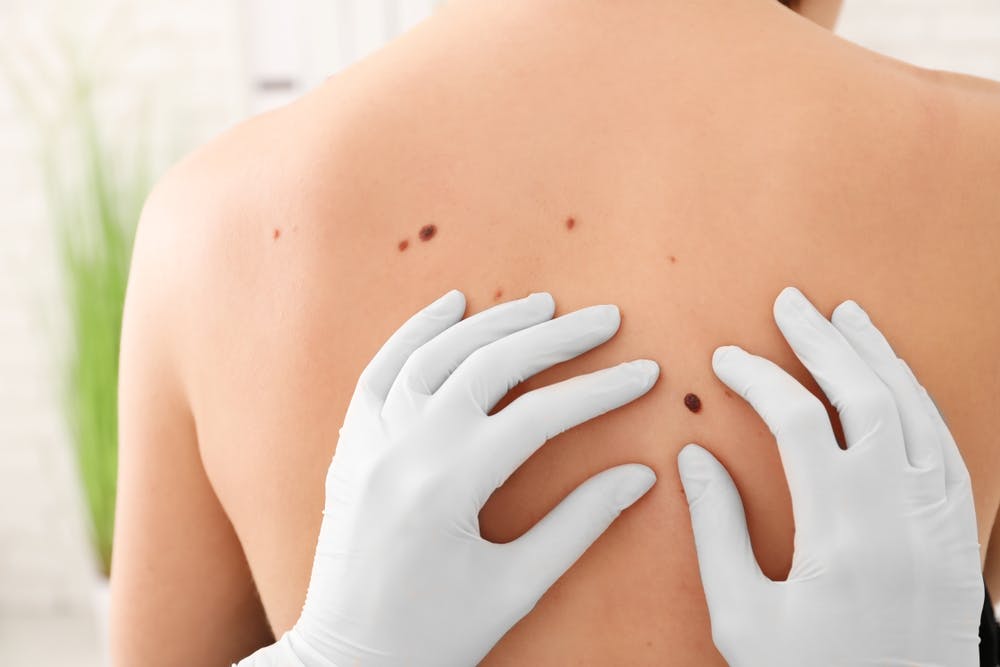 In the NSW study, skin cancer was the most common.
Africa Studio/Shutterstock
In the NSW study, skin cancer was the most common.
Africa Studio/Shutterstock
What happens after a diagnosis?
Pregnancy complicates a cancer diagnosis, as any potential treatment for the mother may risk the health and viability of the fetus. So some aspects of treatment may need to be adjusted.
Surgery can usually be undertaken during any trimester depending on where the cancer is located.
Radiotherapy needs careful planning because the impact of radiation on the fetus depends on the developmental stage, where the radiation is applied to the body, and the dose.
Chemotherapy should be avoided in the first trimester due to potential toxic effects on the fetus. But it can usually be given in the second and third trimester. Chemotherapy should be avoided within three weeks of the birth to reduce the chance of bleeding and infection in the newborn, who may also have a weakened immune system from the chemo.
More targeted immunotherapies are generally given to the mother after she’s given birth. Depending on the treatment, she may be advised not breastfeed. That’s because the medicine can pass from the mother via breastmilk to the baby.
What happens to the babies?
Reassuringly, the NSW data found no increase in the rate of babies dying around the time of birth if they were born to mothers with a pregnancy-associated cancer.
However, there were more planned preterm births. This is because women are offered an induction of labour and/or a caesarean to facilitate cancer treatment for the mother, while reducing treatment-related risks to the unborn child.
There were also higher rates of babies born with a low birth weight and low Apgar scores (indicators of a baby’s condition shortly after birth) – possibly related to being born pre-term.
What do researchers want to know?
We have much to learn about what’s behind the increasing rates of pregnancy-associated cancers, and what women diagnosed with these cancers can expect.
We also need to combine cancer and obstetric data in national databases. This would allow us to see which areas to prioritise for further research, inform clinical guidelines to screen for cancers during and after pregnancy, and would help evaluate responses to screening programs or therapies in the future.
Authors: Sarah Sasson, Scientia Senior Lecturer in Medicine (Immunology), UNSW Sydney


















