

The Most Common Conveyor System Issues in Manufacturing
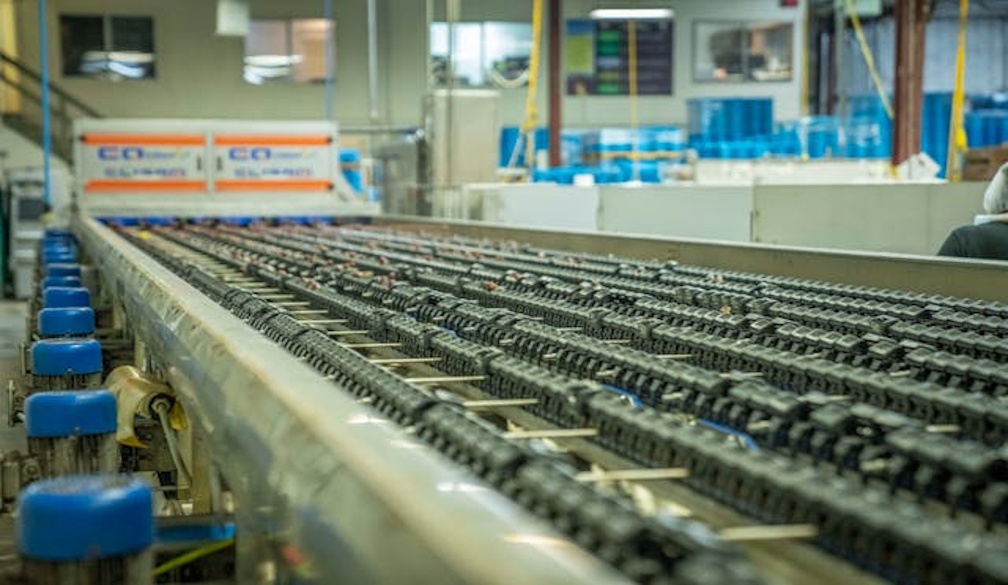
In modern manufacturing, conveyor systems play a central role in keeping production lines efficient, consistent, and cost-effective. When they operate smoothly, materials move seamlessly from one stage to the next, supporting high output and predictable timelines. However, even minor conveyor problems can quickly escalate into costly downtime, missed deadlines, and safety risks. Understanding the most common conveyor system issues allows manufacturers to identify early warning signs and take proactive action. By addressing these challenges before they disrupt operations, businesses can protect productivity, extend equipment lifespan, and maintain a safer working environment for their teams.
Belt Misalignment and Tracking Problems
One of the most frequent issues in conveyor systems is belt misalignment. When a belt drifts off centre, it can rub against the conveyor frame, leading to premature wear and potential damage. Misalignment is often caused by uneven loading, worn pulleys, or improper installation. Over time, this problem increases maintenance costs and raises the risk of sudden system failure. Regular inspections and proper belt tensioning are essential to keeping the belt running straight and stable.
Excessive Wear on Rollers and Components
Conveyor rollers endure constant motion and load pressure, making them vulnerable to wear. In many manufacturing environments, dust, debris, and moisture accelerate deterioration. When rollers begin to seize or rotate unevenly, the belt experiences additional friction, which can strain motors and reduce energy efficiency. Choosing durable materials such as steel rollers can significantly improve load handling and longevity when used appropriately. Preventive maintenance schedules help detect early signs of wear before they affect overall system performance.
Motor and Drive Failures
The motor and drive assembly acts as the heart of the conveyor system. Electrical faults, overheating, and inadequate lubrication can cause motors to fail unexpectedly. In some cases, improper load calculations during system design place excessive strain on the drive components. When motors fail, production often comes to a complete halt. Routine electrical inspections and ensuring that motors are correctly sized for operational demands are critical steps in minimising downtime.
Inconsistent Material Flow
Another common challenge is inconsistent or uneven material flow. This issue typically arises when products are loaded improperly or when conveyor speeds are not synchronised across the production line. Bottlenecks can form, leading to product damage or accumulation at transfer points. Inconsistent flow also increases the likelihood of jams, which require manual intervention and slow down operations. Optimising conveyor speed settings and training staff on proper loading techniques can greatly improve flow consistency.
Overloading and Capacity Mismanagement
Overloading is an often overlooked issue that places unnecessary stress on conveyor components. When systems are pushed beyond their designed capacity, belts stretch, motors strain, and structural elements weaken over time. This not only increases the likelihood of breakdowns but also shortens the overall lifespan of the equipment. Clearly defining load limits and monitoring production volumes helps prevent excessive strain and supports smoother, more reliable operation.
Poor Maintenance Practices
Many conveyor system failures stem not from design flaws but from inadequate maintenance. Skipping routine inspections allows small issues to grow into major problems. Lack of lubrication, ignored warning noises, and delayed part replacements all contribute to system inefficiency. A structured maintenance plan that includes visual checks, component testing, and timely servicing ensures that conveyors operate reliably throughout their intended lifespan.
Safety and Sensor Malfunctions
Modern conveyor systems rely on safety features such as emergency stops, guards, and sensors. When these components malfunction or are bypassed, the risk of workplace accidents increases significantly. Faulty sensors may fail to detect blockages or personnel, leading to dangerous situations. Regular testing of safety systems and compliance with industry safety standards are essential to protect workers and avoid regulatory penalties.
Environmental Factors
Manufacturing environments often expose conveyor systems to extreme temperatures, humidity, or corrosive substances. These conditions can weaken belts, damage bearings, and interfere with electrical components. Environmental stress is particularly problematic in facilities handling chemicals or operating in outdoor or semi-outdoor settings. Selecting materials suited to the operating environment and installing protective enclosures can reduce the impact of harsh conditions.
Conclusion
Conveyor system issues are a common reality in manufacturing, but they are rarely unavoidable. From belt misalignment and worn components to motor failures and overloading, most problems can be traced back to identifiable causes. By understanding these challenges and investing in regular inspections, proper training, and quality components, manufacturers can significantly reduce downtime and repair costs. A proactive approach to conveyor system management not only improves efficiency but also supports long-term operational stability and workplace safety.


















