

How Outdoor Play Enhances Learning and Wellbeing
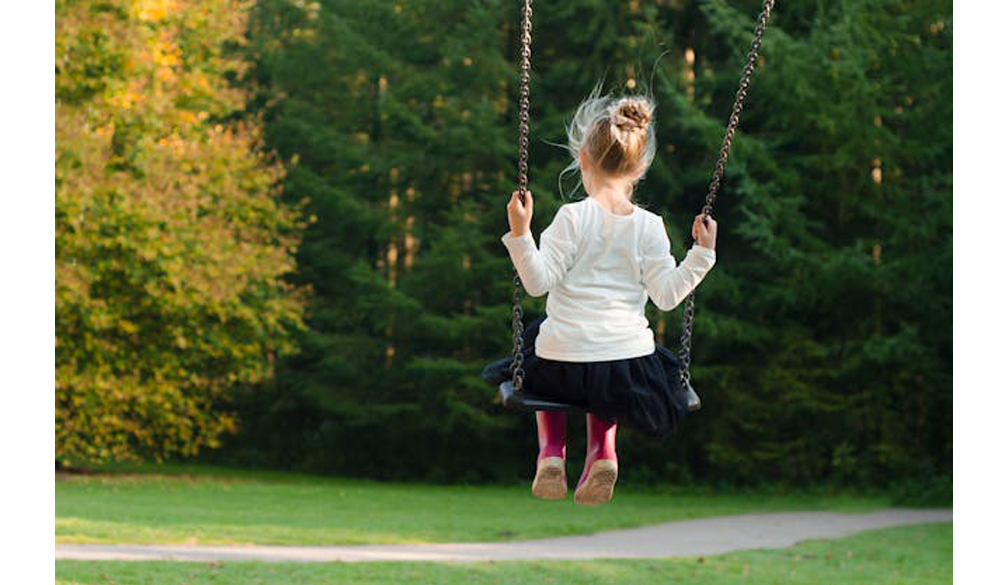
You don’t need to be an expert to conclude that play is an essential part of growing up. When children aren’t restricted and kept indoors, they develop properly. They explore and try new things, which is an essential part of growth. So, even if play looks simple or, to some, unnecessary, it’s an integral part of their and your growth.
We like to talk a lot about learning as if it only happens at desks or on screens, yet a big part of it happens in the open air, under the scorching Australian sun. Children are not separating fun from development in their minds, and that’s kind of the point.
It's All Part of Human Nature
We’ve evolved outdoors, and children still carry that blueprint in their behaviour. It all boils down to this: when kids run around and move in open spaces, they are responding to something primal. These instincts encourage exploration and movement.
You can see it in the way they chase each other, collect rocks, or build imaginary worlds out of sticks and leaves. Those actions aren’t random. And more importantly, they aren’t taught. They simply happen because their little minds know what they need to do to learn.
Improved Mood
A child is not meant to spend their crucial development years indoors. Unfortunately, they’re instead often tied to their iPads. A cranky child that spends most of its time indoors needs a screen detox and more fresh air and sun, not discipline or an elaborate routine.
So, let them play outside, and they will naturally reset emotionally. You will eventually notice fewer meltdowns. Kids will also gladly replace their screen time with outdoor play, and this decision will help them improve attention, as well as sleep hygiene.
Some early learning programs, including certain childcare services in Darwin, lean into this idea by designing daily routines around outdoor exploration. They recognise that a stable mood is not a bonus feature of learning but a foundation for it.
Play and Readiness to Learn
Structured learning is great, but it doesn’t happen on its own. It’s unreasonable to expect a child to sit still for hours at a time and soak up the knowledge like a tiny sponge. You need to ease them into it, and that’s what outdoor play is perfect for.
There is also a motivational piece at work. When kids associate learning environments with enjoyable experiences, they approach challenges with less resistance. Outdoor games frequently involve counting, measuring distances, or planning strategies, and those elements mirror academic skills in disguised form, especially in an outdoor learning program.
Connecting With Nature
Connecting with nature is vital because it helps children understand their place in this world. They need to interact with plants and insects to develop curiosity about living systems. They also need to observe changing weather conditions to grasp the concept of change and seasons.
Nature is great because it offers endless sensory input, too. When children can see and touch different textures and colours, they become more observant. Questions follow, and they end up learning what they would learn in the class, just in a different way.
At the same time, nature can be calming. Greenery is ideal for reducing overstimulation and giving children room to process their thoughts. It also allows them to observe other children more carefully in social settings and notice that they, too, can play and explore without judgment.
Courage and Curiosity
Some children are more courageous and curious than others. But when outside, this difference is more likely to level out. Playing outside invites children to test their limits because trying something like climbing higher than usual or exploring a new activity requires a certain level of curiosity and courage. When they successfully complete what they deserted, children build confidence. And when they fail, they learn how to assess risk and solve problems.
Curiosity drives them to explore unfamiliar spaces. It also encourages them to experiment with new ideas. As a result, ordinary objects become tools and props, which stretches creative thinking. Socially, shared adventures encourage bonding, empathy and a sense of self and collective worth.
Conclusion
Play is not meant to replace learning, but we can use it to support it. Even adults gamify their challenging topics, so why deny children the opportunity to do something that naturally enhances their learning processes? As more schools and learning centres adopt this approach, the more happy thinkers we’ll welcome into our communities.





















