

Precious metals trading made clear: an Octa guide
With its unwavering commitment to clarity, the international broker Octa unravels another facet of trading. Grasp the essentials of precious metals trading in an uncomplicated, transparent manner.
KUALA LUMPUR, MALASIA - Media OutReach - 24 November 2023 - Precious metals have attracted traders and investors for centuries.From the bustling bazaars of ancient civilisations to the digital marketplaces of today, the trading of precious metals, such as gold, silver, platinum, and palladium, remains a lucrative and appealing venture. In this guide, Octa endeavours to uncover the intricacies of precious metals trading, providing clear insights and tips for successful trading experiences.
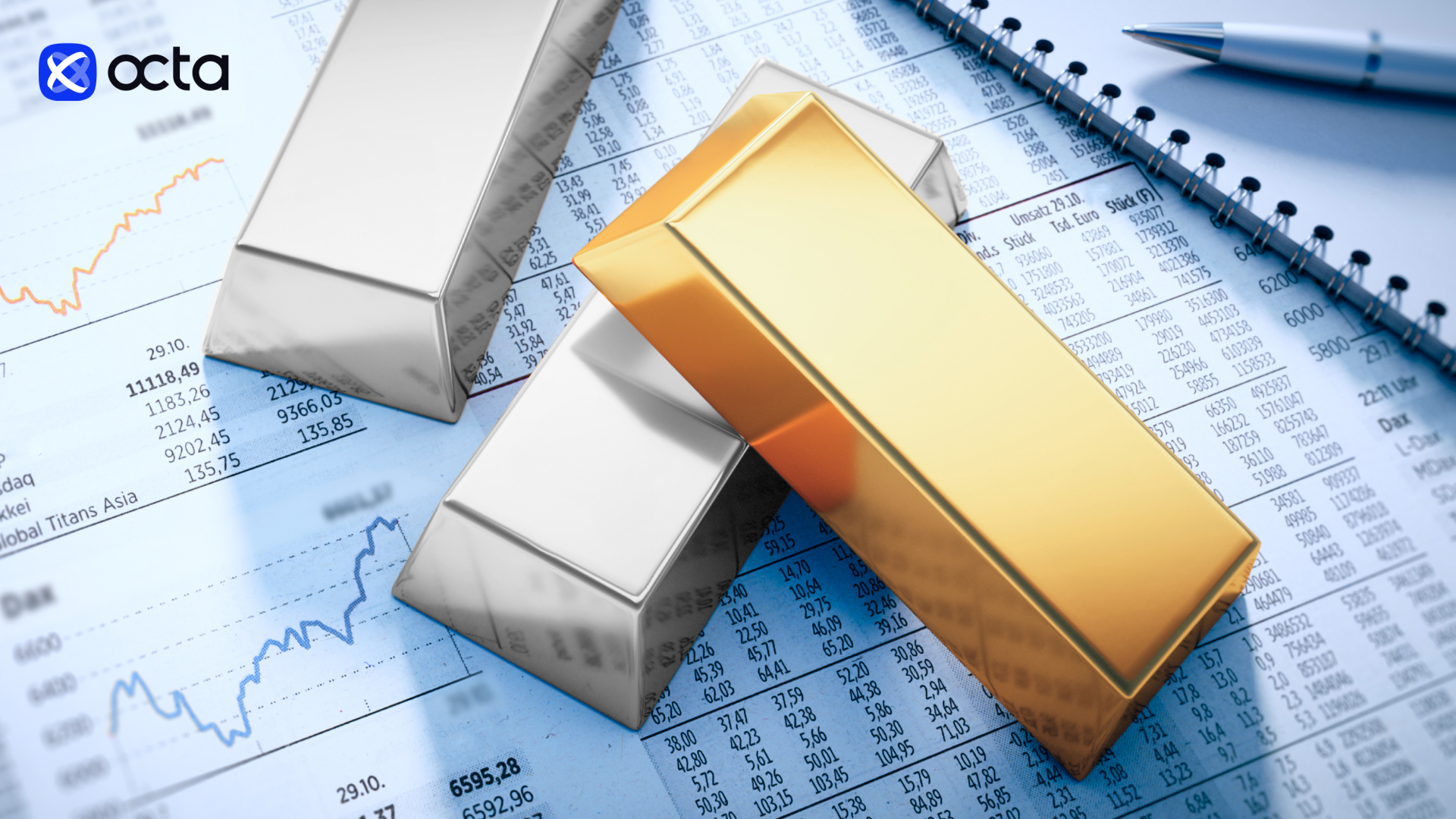
Exploring the World of Precious Metals Trading: An In-depth Look into the Market
Precious metals trading involves buying or selling commodities like gold, silver, platinum, and palladium. These metals are valued for their rarity, their indispensable use in industrial production and manufacturing, and as a hedge against economic instability. The market operates globally, allowing participants to trade 24/5, similar to the Forex market.
The inherent stability of precious metals, combined with their historical significance as stores of value, provides traders with unique opportunities to speculate and invest based on macroeconomic and geopolitical scenarios. Understanding the dynamics of the precious metals market is crucial to making informed decisions and, consequently, achieving financial gains.
Distinctive features of precious metals trading
Trading in precious metals comes with unique characteristics and opportunities.
- Safe-haven assets. Precious metals, especially gold, are often considered safe havens during economic downturns, offering stability and a hedge against inflation.
- High liquidity. The market provides high liquidity, ensuring ease in executing trades due to substantial trading volumes, with gold and silver frequently taking centre stage.
- Diverse trading options. Traders can engage via various mediums, such as spot trading, futures contracts, ETFs, and CFDs.
Players in the precious metals landscape are diverse, each contributing in their unique way.
-
Individual investors. They buy and sell metals, speculating on price changes or using them to create their long-term investment portfolios.
-
Central banks. They trade and hold precious metals, especially gold, as a reserve asset to stabilise their currency and economy. By holding vast reserves of gold, they influence market dynamics and stability.
-
Mining companies. By extracting and introducing new supply, they directly impact the availability of precious metals.
-
Industry and manufacturing. Companies engage in trading to secure raw materials for production in sectors like electronics, healthcare, automobiles, and jewellery. Their demand patterns influence price fluctuations.
-
Hedge funds and institutional investors. They manage large portfolios, seeking to profit from short-term and long-term price movements.
Prices of precious metals are swayed by several factors, such as:
- Macroeconomic indicators. Inflation rates, currency values, and interest rates.
- Global events. Geopolitical tensions, economic crises, and wars. In uncertain times, metals, especially gold, witness increased demand.
- Supply and demand. Dictated by mining outputs, industrial usage, and investment demand.
- Currency strength. Especially the US Dollar, to which precious metals often have an inverse correlation.
Diverse instruments allow traders to explore the precious metals market in different ways.
- Physical metals. Directly owning bars, coins, or jewellery.
- Spot contracts. Engaging in immediate buying or selling of metal, focusing primarily on real-time prices.
- Futures contracts. Obligations to buy or sell a specified amount of metal at a predetermined price at a designated future date.
- Mining stocks. Equity in companies extracting the metals.
- ETFs and CFDs: Enable traders to engage in the markets without owning the physical metal, alleviating storage and security issues.
- Gold. A universal store of value, gold is perceived as a hedge against economic uncertainties, inflation, and geopolitical risks. It's the go-to asset during financial crises.
- Silver. Beyond its monetary and investment value, silver is prized for its industrial applications due to its conductivity, malleability, and reflectivity.
- Platinum. Valued for its rarity and industrial applications, particularly in autocatalysts.
- Palladium. Primarily an industrial metal with strong demand from the automotive sector. In purely physical terms, palladium is considered the rarest precious metal on the planet.
To make informed decisions, traders resort to several types of analysis.
Fundamental analysis focuses on economic indicators, global events, mining outputs, and demand trends in industries like electronics and jewellery.
Technical analysis evaluates historical price data, patterns, and charts to predict future movements.
Sentiment analysis assesses the overall mood of the market by reviewing news, expert opinions and market commentaries to understand the predominant trader sentiment in the market.
Risks involved in trading precious metals
While the potential for profits is significant, traders should be aware of:
- Market risk. Global events, economic downturns, or innovations affecting industrial demand can sway prices.
- Physical storage. Owning tangible metals involves risks of theft or damage.
- Currency fluctuations. International precious metals prices are usually denominated in U.S. dollars, making exchange rate dynamics an important consideration.
Effective risk management involves utilising Stop Loss orders, setting realistic profit targets, and only investing capital one can afford to lose. Diversification across various metals and other asset classes also plays a pivotal role in mitigating risks.
Factors influencing the market
Several factors can influence precious metals' prices.
- Economic health. Precious metals, especially gold, tend to thrive during economic downturns.
- Inflation. As real rates go negative, gold becomes more attractive.
- Geopolitical tensions. Wars, territorial disputes, or international sanctions can drive investors towards the stability of gold.
- Supply constraints. Mining disruptions, whether due to geopolitical issues, environmental concerns, or operational challenges, can cause prices to surge.
- COMEX (CME Group). Based in the U.S., it's the largest gold futures exchange in the world.
- Shanghai Gold Exchange (SGE). This is the leading gold exchange in the world's top gold-consuming nation, China.
- TOCOM (Tokyo Commodity Exchange). Japan's main platform for trading precious metals futures.
Precious metals market in numbers
Number of ETFs and other instruments
- Gold ETFs: Over 100 globally, with the SPDR Gold Trust (GLD) being the largest.
- Silver ETFs: Roughly 50 globally, with iShares Silver Trust (SLV) being the most prominent.
- Platinum and Palladium ETFs: Fewer in number, but notable ones include Aberdeen Standard Physical Platinum Shares ETF (PPLT) and Aberdeen Standard Physical Palladium Shares ETF (PALL).
- Other instruments include mutual funds, futures contracts, options, and physical bullion.
- Gold: The average daily trading volume on the LBMA OTC market alone is over $50 billion.
- Silver: Daily trading volumes on the LBMA are around $5 billion.
- Platinum and Palladium: Combined daily trading volumes on the LBMA amount to approximately $2 billion.
Global consumption trends
- Gold. Over 4,000 tons of gold are consumed annually, with the jewellery sector leading, followed by technological applications, investments, and central banks.
- Silver. At about 1,000 million ounces yearly, its consumption is spread across industrial uses, jewellery, silverware, and coins.
- Platinum. About 250 tons, with autocatalysts, jewellery, and industrial applications being major consumers.
- Palladium. Approximately 10 million ounces, predominantly consumed by the automotive sector.
As of 2022, the countries with the largest official gold reserves are:
- United States: over 8,100 tons.
- Germany: around 3,300 tons.
- Italy: approximately 2,450 tons.
- France: roughly 2,440 tons.
- Russia: more than 2,300 tons
- China: around 2,000 tons.
- Continuous learning. Engage in perpetual learning, keeping abreast of economic indicators, global events, and market trends.
- Risk management. Establish solid risk management strategies, defining clear entry, exit, and Stop Loss levels.
- Gold as the first asset in your metal portfolio. Often dubbed the 'king of metals', gold offers high liquidity and historical significance.
- Diversification. Diversify across various precious metals to mitigate risks associated with individual metals.
- Employing analysis. Leverage both technical and fundamental analyses to formulate trading strategies.
- Patience and discipline. Emotions can be detrimental. Stick to your plan and avoid impulsive decisions.
Like any market, trading precious metals comes with its highs and lows.
Advantages of precious metals trading
- Hedge against inflation. Precious metals, especially gold, often retain value even during economic downturns.
- Liquidity. Major metals like gold and silver can be easily traded, ensuring smooth transactions.
- Portfolio diversification. Introducing metals to one's portfolio can offer stability amidst volatile markets.
- Historical value. Precious metals have been valued for millennia, offering a tangible investment option.
Disadvantages of precious metals trading
- Storage costs. Physical metals need secure storage, incurring additional expenses.
- Price volatility. While generally stable, external factors can lead to sudden price changes.
- No yield. Unlike other safe-haven assets (like bonds), precious metals do not yield any interest or dividends.
Precious metals trading offers a unique blend of historical significance and modern relevance in the financial markets. Understanding the distinctive characteristics of each metal, the influential factors driving price movements, and the various instruments available for trading is indispensable for both new and seasoned traders.
The importance of ongoing education, meticulous planning, and unwavering discipline cannot be overstressed. By embracing these principles, you unlock the potential to safeguard your investments during turbulent times and achieve consistent profitability in the world of precious metals trading.
Guided by its commitment to clarity, Octa seeks to equip traders with the insights and tools essential for success.
Hashtag: #Octa
The issuer is solely responsible for the content of this announcement.
About Octa
Octa is an international broker that has been providing online trading services worldwide since 2011. It offers commission-free access to financial markets and various services already utilised by clients from 180 countries with more than 42 million trading accounts. Free educational webinars, articles, and analytical tools they provide help clients reach their investment goals.
The company is involved in a comprehensive network of charitable and humanitarian initiatives, including the improvement of educational infrastructure and short-notice relief projects supporting local communities.


















