
Why Older Melbourne Homes Require Detailed Building & Pest Inspections
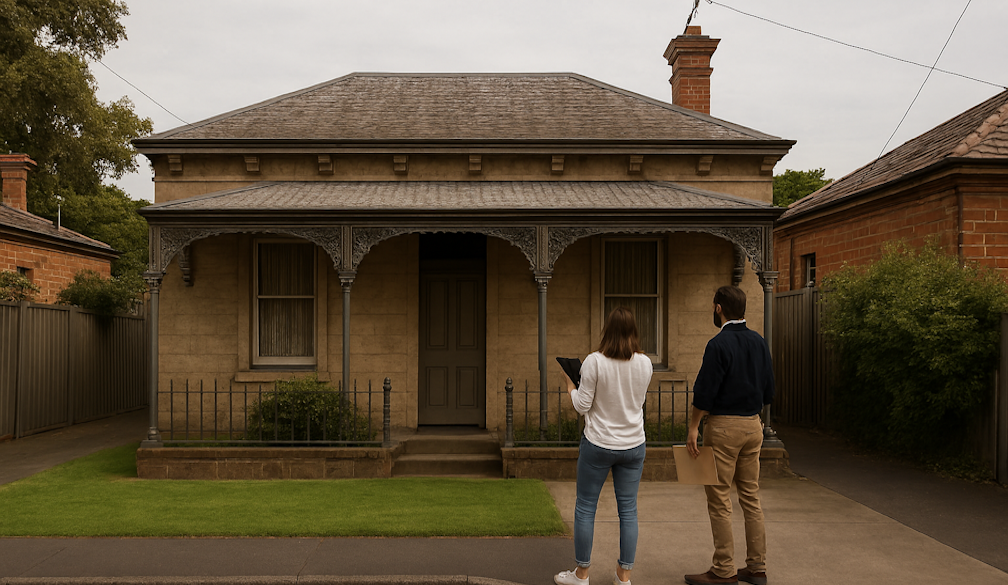
Older homes make up a large part of Melbourne’s housing stock. Victorian terraces, Edwardian houses, Californian bungalows, and post-war brick homes are highly sought after for their character, solid materials, and established locations. However, age brings complexity. Behind period features and recent cosmetic updates, many older properties hide issues that are not immediately visible during an open inspection.
This is why a detailed building and pest inspection in Melbourne is especially important when dealing with older homes. These properties have often been exposed to decades of ground movement, weather changes, renovations, and varying maintenance standards. A thorough inspection helps buyers understand what they are really purchasing, not just what they can see.
Older Construction Methods Were Built for a Different Era
Many older Melbourne homes were built long before modern building codes, engineering standards, and pest management practices existed. Construction methods varied significantly depending on the period and the builder.
Older homes commonly feature:
- Brick strip footings rather than engineered slabs
- Timber floor structures with suspended subfloors
- Lime mortar instead of modern cement mortar
- Timber roof framing and internal wall structures
While these materials can last a long time, they are more sensitive to moisture, movement, and pests. A Melbourne building and pest inspection focuses on how these original materials have performed over time and whether they are showing signs of failure, deterioration, or risk.
Melbourne Soil Conditions Create Long-Term Structural Stress
One of the biggest challenges for older properties is Melbourne’s reactive clay soil. These soils expand when wet and shrink when dry, placing ongoing stress on foundations and walls.
Older homes were often not designed with modern footing systems that account for this movement. Over time, this can lead to:
- Cracking in brickwork and internal plaster
- Sloping or uneven floors
- Doors and windows that no longer close properly
- Separation between walls, ceilings, and cornices
A detailed building inspection looks at cracking patterns, floor levels, and structural alignment to determine whether movement is historical and stable or ongoing and concerning.
Termite Risk Is Higher in Older Homes
Termites are one of the most serious risks found in older Melbourne properties. Many were built before termite protection was standard practice, and even homes with brick exteriors often contain extensive internal timber framing.
Common termite-related issues in older homes include:
- Missing or damaged ant capping
- Timber stumps or bearers exposed to moisture
- Garden beds or paving bridging termite barriers
- Past termite damage that was never fully repaired
A combined building and pest inspection in Melbourne is essential because termite activity is often concealed. Damage may exist under floors, inside walls, or within roof structures long before any visible signs appear.
Past Renovations Can Conceal Structural Problems
Older homes are frequently renovated, extended, or modified over time. While some renovations are done well, others may have been completed without proper approvals or structural consideration.
Inspectors often identify issues such as:
- Load-bearing walls removed without adequate support
- Extensions with inadequate or mismatched footings
- Uneven floors caused by altered subfloor structures
- Waterproofing failures in older bathrooms and laundries
A proper inspection looks beyond finishes to assess whether renovations have affected the structural integrity of the building.
Drainage and Moisture Issues Develop Slowly
Older Melbourne homes often have outdated drainage systems that no longer function as intended. Stormwater pipes may be cracked, blocked, or incorrectly connected. Subfloor ventilation may be restricted by landscaping or later construction.
Poor drainage and ventilation can lead to:
- Rising damp and persistent moisture
- Timber decay in subfloors and wall framing
- Mould growth and poor indoor air quality
- Increased termite risk
These issues usually develop over many years, making them easy to miss without a thorough inspection. A building and pest inspection assesses moisture levels, ventilation, drainage fall, and long-term water exposure, not just visible stains.
Roofing and Structural Wear Over Time
Roofs on older homes often show the cumulative effects of age, weather exposure, and multiple repairs. Original roof framing may have weakened due to moisture ingress, timber shrinkage, or pest activity.
Common findings include:
- Sagging roof lines
- Deteriorated battens and rafters
- Cracked or loose tiles
- Rusted metal components
Because roof problems often progress gradually, they may not be obvious during casual inspections. A detailed building inspection evaluates the condition of both roofing materials and the supporting structure.
Safety and Compliance Concerns
Although a building and pest inspection does not replace specialist electrical or plumbing inspections, older homes often display signs of outdated or non-compliant work.
Inspectors may note concerns such as:
- Unsafe stair or balustrade construction
- Inadequate fall protection
- Poorly supported structural elements
- General safety risks associated with age and wear
These issues can affect insurance, renovation planning, and future compliance costs.
Why Older Homes Need a More Detailed Inspection Approach
Older homes require more time and attention during inspection. Issues are more likely to be concealed beneath floors, behind walls, and within roof spaces. A quick or surface-level inspection is rarely sufficient.
A detailed building and pest inspection in Melbourne provides:
- A clearer understanding of structural condition
- Early identification of pest risk and timber damage
- Insight into future maintenance and repair costs
- Stronger negotiation leverage for buyers
- Confidence before committing to a purchase
For buyers, this information helps separate cosmetic ageing from serious defects.
The Risk of Skipping an Inspection on Older Homes
In competitive markets, buyers sometimes feel pressured to skip inspections. With older properties, this can be a costly mistake.
Structural repairs, termite remediation, drainage upgrades, and subfloor repairs can easily exceed the cost of an inspection many times over. Discovering these issues after settlement often leaves buyers with limited options.
A detailed inspection does not mean an older home should be avoided. It simply ensures that buyers understand the true condition of the property before making a financial commitment.
Final Thoughts
Older Melbourne homes offer charm, history, and long-term appeal, but they also come with hidden risks that modern homes may not. Decades of soil movement, moisture exposure, pest activity, and renovations can significantly affect a property’s condition.
A thorough building and pest inspection in Melbourne is essential when dealing with older homes. It provides clarity, protects buyers from unexpected costs, and allows informed decision-making based on facts rather than appearances.
For anyone considering an older property, a detailed inspection is not just a recommendation — it is a critical step in buying with confidence.


















