

How Homeowners Can Make Smarter Energy Decisions Before Upgrading
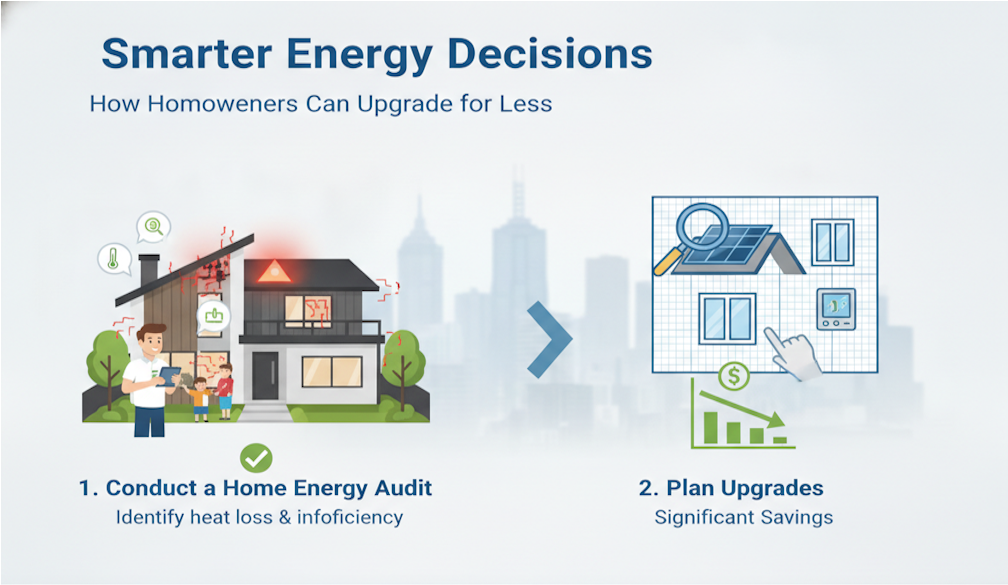
Energy upgrades used to feel like something you only looked into after a power bill gave you a nasty surprise. These days, though, more homeowners are thinking ahead. They’re asking better questions about how their homes use electricity, how much control they have over rising costs, and whether the upgrades they make now will still make sense five or ten years down the track.
That’s especially true for households considering solar batteries. With government incentives changing the conversation, it’s worth taking the time to understand how programs like Victorian households can claim up to 30% off battery installations might fit into a broader home energy plan, rather than treating a battery as a quick add-on purchase.
Start With How Your Home Actually Uses Energy
Before jumping into any upgrade, it helps to look at your household’s daily rhythm. Some homes use most of their electricity during the day, while others are busiest in the evening, when everyone’s home, dinner’s on, the washing machine’s running and the heating or cooling is working hard.
That pattern matters because it can influence whether solar, batteries, insulation, efficient appliances or smarter heating and cooling controls will have the biggest impact. A home with high daytime usage might get excellent value from solar alone, while a household that uses most of its power after sunset may benefit more from storing excess energy for later.
It’s not about chasing every shiny new technology. It’s about understanding where energy is being wasted, where costs are creeping up, and which upgrades will actually change the way your home performs.
Think Beyond the First Quote
A common mistake is comparing upgrades based only on the upfront price. It’s understandable, because installation costs are easy to see, while long-term value takes a little more thought. But the cheapest quote doesn’t always mean the best outcome, especially when you’re dealing with equipment that needs to work reliably for years.
Instead, homeowners should be asking what’s included, how suitable the system is for their property, what warranties apply, and whether the installer has taken the time to understand the home’s layout and energy use. A slightly more considered solution can save money, frustration and rework later.
This is also where rebates and incentives can be useful, not because they should make the decision for you, but because they can shift the numbers enough to make a better-quality upgrade more achievable.
Make the Home Work as a System
Energy efficiency isn’t just about generating or storing power. The best results often come from combining improvements. Good insulation helps heating and cooling systems work less aggressively. Efficient appliances reduce demand. Solar can offset daytime consumption. Batteries can help households use more of their own energy instead of sending it back to the grid.
When all of these pieces work together, the home feels more comfortable and costs become easier to manage. You’re not just adding hardware; you’re making the property more resilient.
A Smarter Upgrade Starts With Better Questions
The smartest homeowners aren’t necessarily the ones who spend the most. They’re the ones who pause before upgrading, review their options properly, and choose improvements that suit the way they actually live.
Energy upgrades can be a great investment, but only when they’re planned with the whole home in mind. A little research upfront can make the difference between buying something that sounds impressive and creating a home that’s genuinely cheaper, cleaner and easier to run.




















