

Boosting your ‘gut health’ sounds great. But this wellness trend is vague and often misunderstood
- Written by Amy Loughman, Senior Research Fellow, Deakin University
If you walk down the supermarket aisle, you may be tempted with foods marketed as being good for your gut. Then there are the multiple health blogs about improving, supporting or maintaining your “gut health”.
But what does “gut health” mean? Is it the absence of disease? Is it no bloating? Or is it something else entirely? And how strong is the evidence “gut health” products actually make a difference?
As we explain in our article just published in the journal Lancet Gastroenterology & Hepatology, even researchers have not quite nailed a definition. Here’s what we know so far.
Read more: What is kombucha and how do the health claims stack up?
What does the science say?
We know the gut is important for our overall health and well-being. And when we say “gut”, we usually mean the large intestine, the region of the gastrointestinal tract where most of our gut microbiome lives.
Our gut microbiome is our gut’s resident microbes. And evidence is emerging this affects everything from how our body processes sugar in our diet, to our risk of cancer, depression and dementia.
Remind me again, what is the microbiome?But there’s no clear agreement on what “gut health” actually means. Researchers don’t use the term in the medical literature very much. When they do, they seem to refer to no:
unwanted gastrointestinal symptoms (such as pain or diarrhoea)
disease (such as Crohn’s disease or colon cancer), or
negative gut features (such as inflammation, a deficiency of certain molecules or an imbalance in the microbiome), which are almost impossible to precisely diagnose.
Nowhere do researchers or gastroenterologists (doctors who specialise in the gut) mention any aesthetic perks, such as a smooth, flat belly or glowing skin, despite what magazine articles might suggest.
Read more: Do men really take longer to poo?
So, what’s the problem?
There are two main problems with products or lists of foods that claim to be good for “gut health”.
First, such claims are not backed by strong scientific evidence. Second, these claims are simplistic.
While a healthy diet is undoubtedly an essential contributor to good health, including of the gastrointestinal system, it’s dietary patterns and overall habits, not individual foods, that shift the dial.
Let’s take fibre as an example
Fibre is one dietary component heralded as a gut health hero. Indeed, there is compelling evidence showing health benefits of a high-fibre diet, for the gastrointestinal tract, and also more broadly (for instance, a reduced risk of heart disease and diabetes).
Yet most people in Western countries do not eat enough dietary fibre.
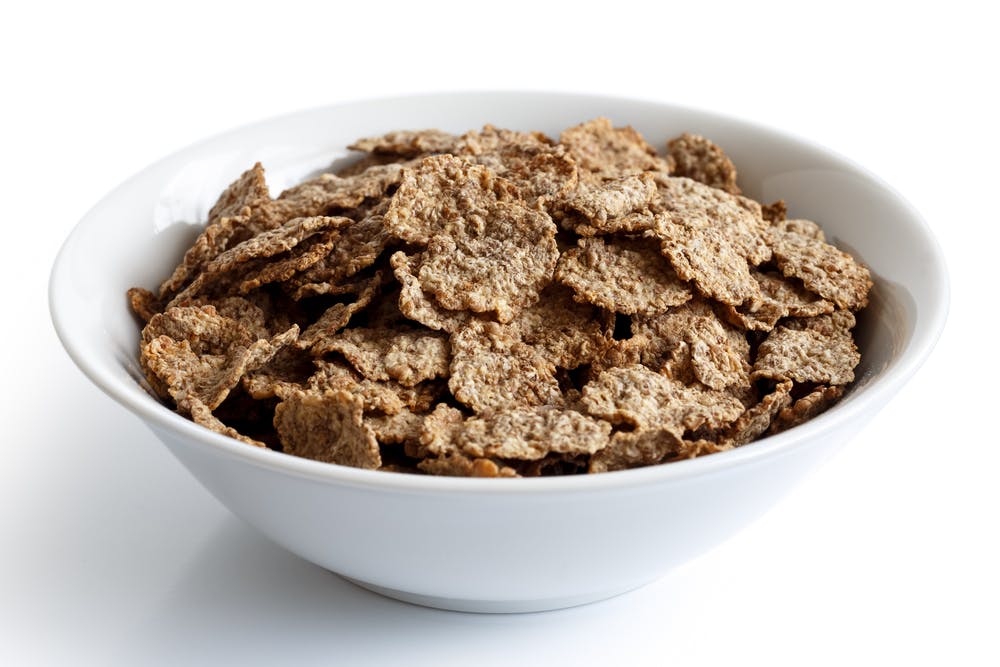 A bowl of high-fibre breakfast cereal alone is unlikely to help your ‘gut health’ if your overall diet or lifestyle is a problem.
www.shutterstock.com
A bowl of high-fibre breakfast cereal alone is unlikely to help your ‘gut health’ if your overall diet or lifestyle is a problem.
www.shutterstock.com
However, the little-told story is foods contain multiple types of dietary fibre, each with different effects on gut function (and its microbiome).
We don’t know if all types of fibre are essential or beneficial. At least in animals, too much of certain fibres might affect the large intestine, causing inflammatory disease.
So yes, eat high-fibre foods (including wholegrain cereals, fruit, vegetables, legumes and nuts). But do so as part of a varied diet, not by overloading on just one or two foods or commercial products claiming to improve your “gut health”.
We are all individuals
The optimal diet for your gut as well as your overall health is likely to be highly individual. What is best for one person may not be so for the next.
Large human studies show the gut microbiome may be the major driver of this individuality, responsible for some of the variability in how different people metabolise food.
However, as we have written about before, it isn’t yet possible to define the perfect microbiome, or how to get one. What is clear is that any one product is unlikely to achieve this anyway.
Read more: Should I test my gut microbes to improve my health?
So where does this leave us?
If we accept the concept of “gut health” has many nuances, what next?
There is good evidence the health of the gastrointestinal tract and its microbiome are important for overall health, and certainly the absence of pain and disease boosts our well-being.
But rather than focusing on one food, the evidence for what’s best for our gut tells us we’d be better off looking at improving our overall diet. National healthy eating guidelines universally include advice to eat a variety of foods, including those high in fibre, and to avoid excessive alcohol.
General principles of a healthy lifestyle apply too: avoid substance abuse (including smoking, off-label prescription drugs and illicit drugs), exercise regularly, take care of your mental well-being and manage your stress.
All these combined are likely to be more helpful for gut health than the latest superfood or boxed cereal.
Read more: Essays on health: microbes aren't the enemy, they're a big part of who we are
Authors: Amy Loughman, Senior Research Fellow, Deakin University

















