

We're sick of COVID. So government messaging needs to change if it's to cut through
- Written by Ernesta Sofija, Lecturer, public health and health promotion, Griffith University
Most people want to do the “right thing” when it comes to following public health measures, such as wearing a mask or not mixing with friends and family.
Yet after what feels like a never-ending 18 months of lockdowns and COVID-19 saturated government messages, we’re all just a bit over it.
So government communications must adapt to our changing needs and emotions to reach people suffering pandemic fatigue. Here’s how government messaging needs to change at this stage of the pandemic.
Read more: Sick of COVID-19? Here's why you might have pandemic fatigue
Pandemic fatigue is real
Pandemic fatigue describes how, over time, we can naturally lose motivation or become complacent about following COVID-19 public health advice or seeking information about it.
Certain groups — such as health-care workers and young males — are already experiencing it. You might be feeling it too.
Gradual exhaustion and inability to engage with government public health messaging is not unusual and is part of a complex interplay of factors, including those relating to risk and control.
Perception of risk
First, someone’s motivation to follow COVID-19 health advice relates to how likely they think they’ll be infected or have serious disease.
Despite increasing rates of the disease in the community, as time goes on, some people start to consider the personal, social and economic consequences of restrictions greater than the actual risk related to the virus.
A degree of control
Second, the need for self-determination, or controlling what happens in your life, begins to set in. The urge for freedom may incite certain groups to act out.
Pandemic fatigue is a concern
Pandemic fatigue is a concern as people are more tempted to cut corners, putting themselves and others at risk. So governments must recognise the potential consequence of monotonous messaging, making it all too easy for people to switch off.
They must acknowledge what makes it hard or easy for people to adopt protective behaviours.
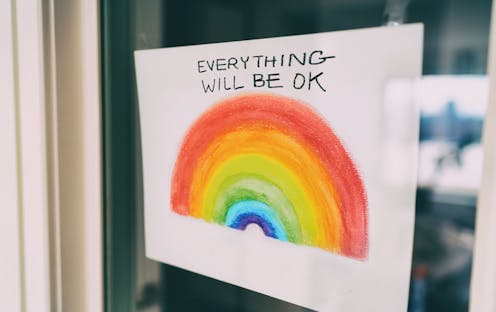
And as pandemic fatigue sets in, we also need to see some light at the end of the tunnel. Governments can provide this by explaining how specific actions taken can make a difference to overall outcomes.
Without fostering hope, the public’s commitment to limiting the impact of this crisis is likely to continue to slide.
Here are four ways government messaging needs to change to stave off pandemic fatigue.
1. Understand people
Governments must identify and understand population groups who have notable pandemic fatigue, such as people with lower education, young males or health-care workers.
Then they need to tailor and test new evidence-based messages with these target groups. It’s best to have fewer quality messages hitting the right spot than many lower quality messages distributed widely.
2. Engage people as part of the solution
We know one of the main drivers of resistance to following government public health messages is the need to feel in control and have a sense of autonomy. Governments must engage people by reframing messages as much as possible to be positive and hopeful.
By using personal stories as motivators, collective words like “we”, a two-way dialogue and trusted voices in the community, governments can engage and inspire communities to have self-determination.
When we studied Prime Minister Scott Morrison’s communications during the first wave of the pandemic, we found he used limited personal stories and empathetic language.
But Norway’s government recognised the community as experts of their own lives and engaged them in creating solutions, for example, flexible ways of reopening kindergartens.
Read more: Even with a vaccine, we need to adjust our mindset to playing the COVID-19 long game
3. Allow people to live their lives but reduce risk
As the pandemic progresses, the “all or nothing” approach to public health advice may be overly daunting, and risks alienating and demotivating people.
So government messaging should move beyond “do not” to “doing things differently”, allowing us to incorporate the things we value into our “new” way of living.
This acknowledges people will want to hug others and celebrate birthdays, and advises how to minimise the risks when doing so.
For instance, the Netherlands government released specific guidance for people seeking intimacy during the pandemic, advising people find a “cuddle buddy” rather than being intimate with several partners.
This harm reduction approach recognises abstinence is not an option for many.
4. Acknowledge and address people’s hardship
While lockdowns and other stringent measures are crucial to control the spread of virus, they have taken a toll on the mental health and well-being of populations across the globe and affected everyday life through loss of jobs and security.
Governments should acknowledge this hardship through messages of empathy and hope. They should also create opportunities to ease the feelings of life being put on hold.
Norway’s health minister provided a great example of this, where he acknowledged the hardship young people faced, thanking them for their contribution to society. He also called on them to come up with safe solutions for university events.
This seemed to have had a positive impact with young people in Norway more likely to follow COVID-19 restrictions than those over 50.
Yes, communicating in a pandemic is hard
During such a prolonged crisis, there is no “one size fits all” communication strategy. An initial analysis of national pandemic responses around the world showed many leaders found it hard to balance communicating public health measures with the growing impatience to return to some sense of normalcy.
And by the end of Australia’s first wave, we showed Morrison’s communication was dominated by political and economic actions. Repeating the same old themes may contribute to pandemic fatigue.
Now it’s time for government messaging to adapt and adjust to our level of fatigue, taking into account ways in which current methods may actually be contributing to levels of disengagement.
If governments don’t do this, people may miss or purposefully avoid public health advice. And that makes it harder for us to ever recover.
Authors: Ernesta Sofija, Lecturer, public health and health promotion, Griffith University

















