Just don't douche – what your vaginal biome can tell you about your health and pregnancy
- Written by: Naomi Strout, Researcher, Midwife, Nurse, UNSW Microbiome Research Centre, UNSW

Researchers in the UK recently discovered a rapid test that checks the vaginal microbiome and can detect risks of preterm birth. Usually, tests to check the microbiome are complicated and it takes a long time to get a result.
Up to 50% of preterm births are associated with microbial causes and preterm birth is the most common cause of death in children under 5. So, a rapid test that can return results within minutes could make a world of difference for patients and families.
This groundbreaking research sheds further light on how the vaginal microbiome works and what it can tell someone about the health of their body and their baby.
Read more: Group B strep and having a baby: what pregnant women need to know
Not just for guts
The microbiome is a buzz word that has popped up a lot lately – and yes, most people associate it with gut health.
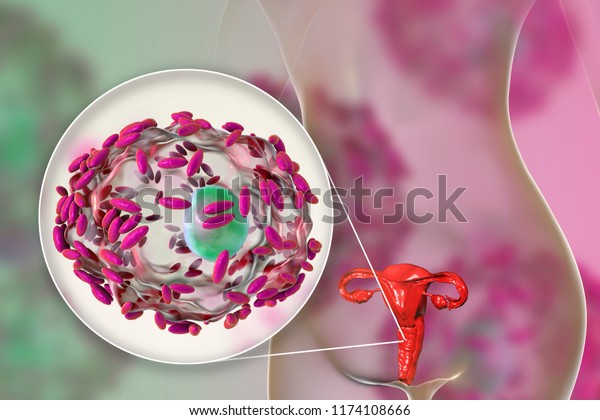
In fact, microbiome is the term used when describing all of the DNA content of our microbiota – the trillions of “bugs” that live as a community in us and on us (including our gut, mouth, urine, skin and yes, vagina). These microorganisms include bacteria, viruses and fungi.
Without our microbiome, our bodies would not function correctly. Our microbiome has been shown to impact our immune development, disease defences and our behaviour and mental health. Research shows intergenerational and matrilineal inheritance patterns of birth microbiota. In other words, we inherit the microbiome of our mothers and grandmothers at birth.
While large studies investigating our gut and mouth microbiome and links with health and disease are well established, the science behind the vaginal microbiome is still in its infancy. One of the first papers showing distinct microbial changes throughout the trimesters of pregnancy was only published in 2012. But there is a growing emphasis on how a person’s vaginal microbiome can impact reproductive and public health.
What makes the vaginal microbiome different?
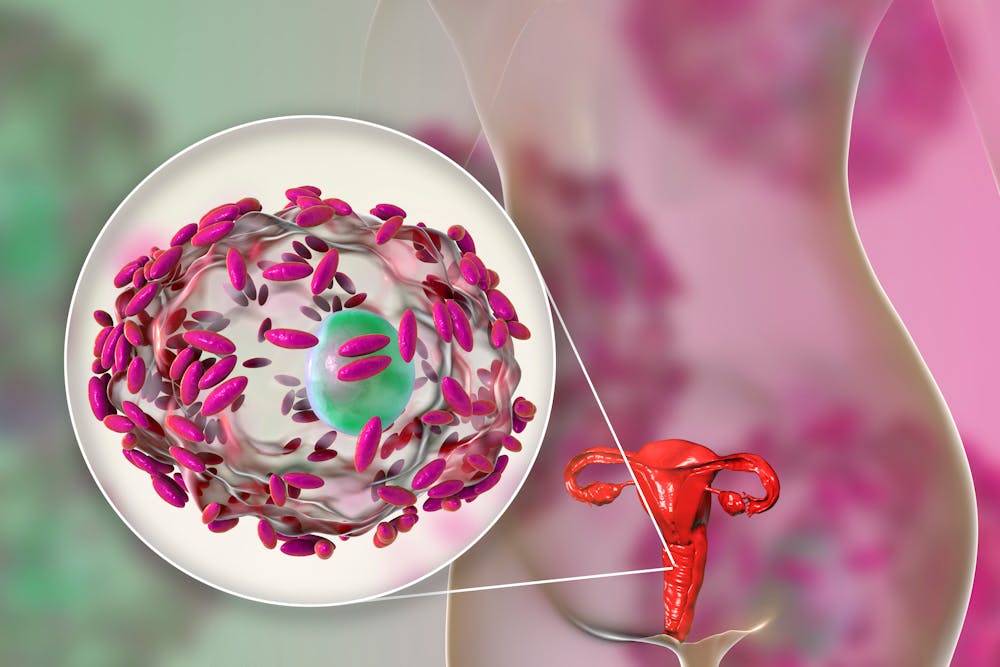
The vaginal microbiome is complex and fascinating. Its dynamics differ significantly between non-pregnant and pregnant states, and over the course of our lifespan – from birth, through to puberty, and beyond menopause.
Ethnicity, socioeconomic status, menstrual cycle, and sexual partners all impact on the microbiota present in your vagina.
Dominated by Lactobacillus species (usually L. crispatus, L. iners, L. jensenii or L. gasseri), the vaginal microbiome has long regarded “healthy” or “normal” in people of European ancestry. But now we understand healthy non-pregnant African-American and Hispanic people have a non-Lactobacillus-dominated microbiome.
States of play
The vaginal microbiome needs to be looked at in two contexts – non-pregnant, and pregnant. When a person is not pregnant, their “normal” vaginal microbiome should be highly diverse and dynamic, fluctuating with their normal hormonal cycle and lifestyle. Once they fall pregnant, these fluctuations should stabilise and overall diversity of the vaginal microbiome should decrease.
Sometimes, the microbiome loses stability and becomes out of balance – this is called dysbiosis. When the vaginal microbiome is out of balance, people may notice inflammation, itch, malodour, discharge or redness.
Some may be familiar with the uncomfortable feeling of a candida (yeast) infection or have encountered the fishy smell commonly caused by bacterial vaginosis. But it’s not just these conditions that come from an imbalanced microbiome.
There is evidence to suggest this can also affect the ability to fall pregnant, pregnancy well-being (such as the potential to develop gestational diabetes or pre-eclampsia) and result in preterm labour and birth.
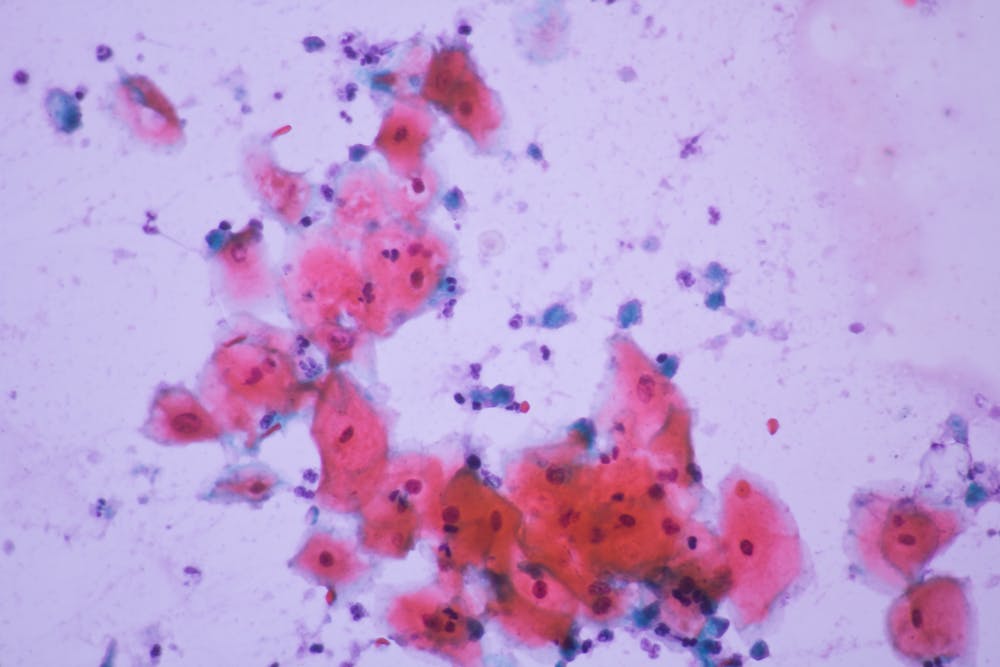 A pap smear slide shows cells and signs of bacterial infection.
Shutterstock
A pap smear slide shows cells and signs of bacterial infection.
Shutterstock
Read more: Coronavirus while pregnant or giving birth: here's what you need to know
How can I keep my vaginal microbiome healthy?
There are strategies to improve the health of one’s microbiome – but a magic pill isn’t the answer. Your microbiome is unique and there is no one-size-fits-all approach.
The best way to ensure a healthy microbiome is by eating well, drinking lots of water, exercising regularly and refraining from smoking and alcohol. Minimising stress and maintaining good general hygiene are also essential. But do not douche – this can negatively effect the makeup of your vaginal microbiome! The vagina is considered a “self-cleaning oven”.
There isn’t a lot of high quality evidence on the benefits of probiotics to improve you vaginal microbiome. One paper suggests changes are only present during dosing schedules, and disappear when the person ceases the medication. This indicates the probiotic does not colonise the vaginal microbiome and stick around long term.
Read more: Your vagina cleans itself: why vagina cleaning fads are unnecessary and harmful
Rapid testing on the way
The new research could lead to a convenient, bedside test for preterm birth risk. This would enable clinicians to make faster and more targeted decisions on treatment options, resulting in better outcomes for both mum and bub.
Researchers point out rapid testing might also be useful in other clinical scenarios, but this is yet to be tested. Ultimately, this is new technology, and the focus of a clinical trial – there is still a way to go before we see rapid testing in Australian hospitals or other healthcare settings.
UNSW’s Microbiome Research Centre is recruiting people actively planning a pregnancy, to determine if their preconception microbiome might influence pregnancy and birth outcomes. If we can determine whether your microbiome is dysbiotic before you even fall pregnant, we could transform maternal and child health worldwide.
Authors: Naomi Strout, Researcher, Midwife, Nurse, UNSW Microbiome Research Centre, UNSW