A healthier heart can protect your brain too. 5 lifestyle changes to prevent dementia
- Written by Dr Alexandra Wade, Research associate, University of South Australia
When we think of dementia, we often fear a loss of control. But the reassuring news is up to 40% of dementias can be prevented or delayed if we change our health habits.
Nearly half a million Australians are living with dementia. Without a cure, this number is expected to reach 1.1 million by 2058.
Dementia shares key risk factors with cardiovascular (of the heart and blood vessels) disease, including high blood pressure, high blood sugar, being overweight and smoking. Inflammation and oxidative stress (where protective antioxidants are losing their fight with damaging free radicals) follow. This damages blood vessels and reduces the flow of blood and oxygen to the brain.
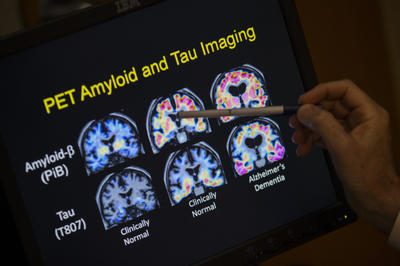
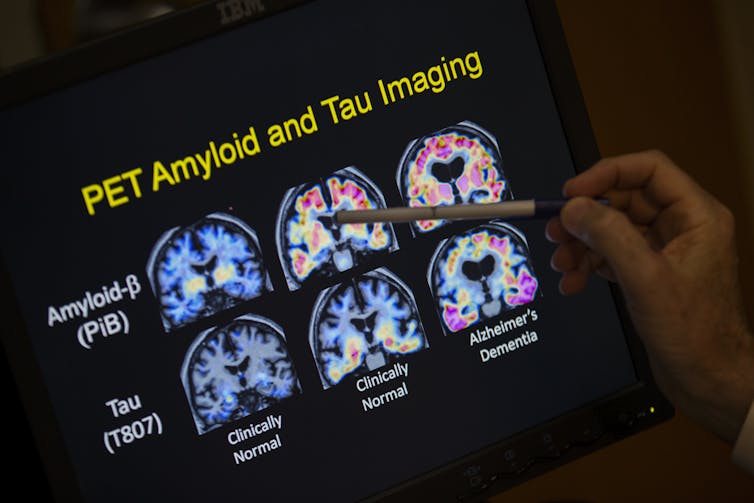
Without enough oxygen, brain cells can’t function effectively, and eventually die. Reduced blood flow also leaves the brain vulnerable to the plaques and tangles seen in forms of dementia.
But by changing our habits, we can both improve heart health and reduce the risk of dementia. Here are five lifestyle changes we can make now …
1. Eat 2–3 serves of oily fish each week
Oily fish, like salmon, sardines and mackerel are rich in omega-3 polyunsaturated fatty acids. Omega-3’s have anti-inflammatory effects and have been shown to significantly reduce blood pressure.
Omega-3s are also needed to support the structure and function of our brain cells and are “essential nutrients”. This means we need to get them from our diet. This is especially true as we age, because reductions in omega-3 intake have been linked to faster rates of cognitive decline.
2. Eat plant foods with every meal
Plant foods – like leafy greens, extra virgin olive oil, blueberries, nuts and pulses - contain a range of vitamins and minerals, including polyphenols, flavonoids, carotenoids, vitamin C and vitamin E. These micronutrients have both antioxidant and anti-inflammatory effects that protect and improve our blood vessel functioning.
Diets high in plant foods, like the Mediterranean diet, have been shown to improve blood pressure, glucose regulation and body composition, and have also been linked to lower rates of cognitive decline, better markers of brain health and lower risk of dementia.

3. Eat less processed food
On the other hand, saturated fats, refined carbohydrates and red and processed meats are believed to trigger inflammatory pathways and highly processed foods have been linked to hypertension, type 2 diabetes and obesity.
Eating more of these foods means we’re also likely to miss out on the benefits of other foods. Whole grains (like whole oats, rye, buckwheat and barley) provide fibre, vitamin B, E, magnesium and phytonutrients which have anti-inflammatory and antioxidant properties. Refined grains (like white bread, rice and pasta) are highly processed, meaning many of these beneficial nutrients are removed.
Read more: Why people with dementia don't all behave the same
4. Get physical and make it fun
Physical activity can reduce inflammation and blood pressure, while improving blood vessel functioning. This helps the body deliver more oxygen to the brain, improving memory and other cognitive functions affected by dementia.
Guidelines suggest adults should engage in physical activity on most days, break up long bouts of inactivity (like watching TV) and incorporate some resistance exercises.
The key to forming long-term exercise habits is choosing physical activities you enjoy and making small, gradual increases in activity. Any movement that raises the heart rate can be classified as physical activity, including gardening, walking and even household chores.
Read more: Aiming for 10,000 steps? It turns out 7,000 could be enough to cut your risk of early death
5. Quit smoking
Smokers are 60% more likely to develop dementia than non-smokers. This is because smoking increases inflammation and oxidative stress that harm the structure and function of our blood vessels.
Quitting smoking can begin to reverse these effects. In fact, former smokers have a significantly lower risk of cognitive decline and dementia compared to current smokers, similar to that of people who have never smoked.
 Former smokers reduce their risk of dementia significantly.
AP Photo/Gerald Herbert
Former smokers reduce their risk of dementia significantly.
AP Photo/Gerald Herbert
Read more: COVID-19 has offered us an unexpected opportunity to help more people quit smoking
Is it too late?
It’s never too early, or too late, to begin making these changes.
Obesity and high blood pressure in midlife are key predictors of dementia risk, while diabetes, physical inactivity and smoking are stronger predictors later in life. Regular physical activity earlier in life can reduce blood pressure and decrease your risk of diabetes. Like giving up smoking, changes at any stage of life can reduce inflammation and change your dementia risk.
 PET scans show the brain changes seen in Alzheimer’s disease, the most common form of dementia.
AP Photo/Evan Vucci
PET scans show the brain changes seen in Alzheimer’s disease, the most common form of dementia.
AP Photo/Evan Vucci
Little by little
It can be overwhelming to change your whole diet, start a new exercise program and quit smoking all at once. But even small changes can lead to significant improvements in health. Start by making manageable swaps, like:
- use extra virgin olive oil in place of butter, margarine and other cooking oils
- swap one serve of processed food, like chips, white bread, or commercial biscuits, for a handful of nuts
- swap one serve of meat each week for one serve of oily fish
- swap five minutes of sedentary time for five minutes of walking and slowly increase each day.
Authors: Dr Alexandra Wade, Research associate, University of South Australia