

Modern Australian
The Times

What will the fuel excise cut save you? Not as much as the Treasurer says

  • Written by John Hawkins, Senior Lecturer, Canberra School of Politics, Economics and Society and NATSEM, University of Canberra
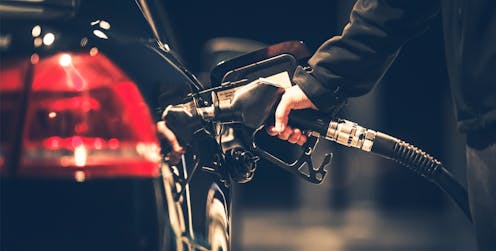
What will the fuel excise cut save you? Not as much as the Treasurer says

As an appeal to middle Australia, to the voters politicians routinely describe as working families or battlers, the Morrison government’s centrepiece budget move to halve the fuel excise for six months has obvious attractions.

“A family with two cars who fill up once a week could save around $30 a week or around $700 over the next six months,” declared Treasurer Josh Frydenberg on budget night, a point he’s repeated many times since.

But our calculations show most households, particularly those on lower incomes, won’t gain anything near the amount touted by Frydenberg.

At a cost of about $3 billion, cutting 22 cents in tax from every litre of petrol for six months will disproportionately help wealthy households. The economic gain is doubtful. Depending on what happens with the global oil prices, it may even contribute to inflationary pressures.

Who benefits most?

We’ve calculated the effects of the fuel excise cut on household budgets using a computer model developed by the National Centre For Social And Economic Modelling.

Our results show the six-month cut to the fuel excise will save the average household in inner-urban areas of Sydney and Melbourne about $132. The average households in outer suburbs will save about $242. Those in the outer suburbs of smaller cities will save less as they need to drive shorter distances. The average household in rural and remote areas will save $194.

Author provided/The Conversation, CC BY-ND These amounts reflect average outcomes across all households, including those with just one vehicle, or no vehicle. It’s possible some two-car households will save the $700 cited by Frydenberg, but not many. That would require a household spending well over $10,000 a year on petrol, buying about 150 litres a week. The budget papers themselves say the cut will “deliver an average benefit of around $300 to households with at least one vehicle”. Why economists oppose the cut In The Conversation’s pre-budget survey of 46 leading economists selected by the Economic Society of Australia, not one thought cutting the fuel excise a good idea. About a third rated it among the worst possible policies. Read more: Cut emissions, not petrol tax; fund childcare, not beer. What economists want from next week's budget Their reasons are the uncertain economic benefit and inconsistency with important long-term policy goals to reduce dependence on oil-based imports, lower greenhouse gas emissions and cut government debt. Frydenberg has promoted the cut as anti-inflationary, reducing consumer prices by 0.25 percentage points in the June quarter. But prices will simply rise by the same amount in the December quarter. Global fuel prices may fall long before the end of six months. Last week benchmark oil prices fell 13% on news the US will release more from its strategic reserves as well as a truce in the long-running civil war in Yemen. The United States will be releasing a million barrels of crude oil every day for the next six months from its Strategic Petroleum Reserve.
The United States will be releasing a million barrels of crude oil every day for the next six months from its Strategic Petroleum Reserve. Eli Hartman/Odessa American/AP

If oil prices drop the government will be adding billions of dollars to the deficit for no real economic gain. It could even be adding to underlying inflationary pressures by increasing household spending, pushing the Reserve Bank to increase interest rates sooner or by more.

Furthermore, while the fuel excise cut is legislated to be in place just six months, history shows governments find it hard to reverse cuts once implemented. In 2001, for example, the government of John Howard was panicked by poor opinion polls to suspend indexation of the petrol excise when prices reached $1 a litre. Indexation was not restored for 14 years, at a cost of more than $40 billion in forgone tax revenue.

Well distributed?

Economists prefer targeted measures, and the problem with cutting the fuel excise is that lot of the benefit will go to sustaining the driving habits of wealthier households.

On average those in the most affluent 40% of households drive about 50% more kilometres than those in the poorest 40%.

Read more: 5 maps that show why free public transport benefits the affluent most

Wealthier households are more likely to have second or third cars, and to have larger cars – such as SUVs – that use more petrol. They also have the money for leisure pursuits such as weekend getaways.

A better approach would be target help to businesses that must buy fuel and to those on low incomes, such as through a cash bonus, leaving it to them to decide if they want to spend on petrol or other things.

This would also help those without a car, those who do not drive much and those with electric vehicles, who all face cost pressures as petrol prices feed into prices at the supermarket.

Authors: John Hawkins, Senior Lecturer, Canberra School of Politics, Economics and Society and NATSEM, University of Canberra


Read more https://theconversation.com/what-will-the-fuel-excise-cut-save-you-not-as-much-as-the-treasurer-says-180330

Plantation Shutters vs Curtains: Which Is Better for Your New Home?

Moving into a new home is an exciting opportunity to personalise your space and make it your own. While many homeowners focus on furniture, flooring...

Celebration of Life vs Traditional Funeral: What's the Difference?

When saying goodbye to someone you love, there is no single way to honour their life. Every family has different traditions, beliefs, and preference...

Building Approval for Roofing Projects: What Homeowners Need to Know

Roofing projects are an important part of maintaining and protecting your home. Whether you're repairing storm damage, replacing an ageing roof, or ...

Chatswood Tutoring And Its Role In Academic Achievement

Academic success often requires more than classroom attendance alone. Students face increasing expectations as they progress through school, particu...

Why Laser Hair Removal Treatments Continue Growing In Popularity

Managing unwanted hair can become time-consuming and frustrating for many people, especially when shaving, waxing, and other temporary methods requi...

Choosing the Right Devices for a Flexible Workplace

For IT leaders managing large fleets, the device layer is where workforce productivity and security policy meet. The shift towards flexible and hybrid...

How Business Advisory Services Help Companies Achieve Sustainable Growth

Every business owner aims to build a profitable and sustainable organisation. While dedication, innovation, and hard work are important, achieving l...

Why Body Contouring Has Become A Popular Cosmetic Treatment

Many people maintain healthy lifestyles through regular exercise and balanced eating habits but still struggle with stubborn areas of fat that are d...

How to Choose the Right POS Hardware for Your Business in Australia

A lot of Australian business owners spend weeks researching POS software but buy hardware almost as an afterthought. That's a mistake. The wrong har...

Why Material Handling Hose Is Critical for Industrial Efficiency

A high-performance material handling hose is an essential component in industries that transport abrasive, dry, or bulk materials on a daily basis...

How to Choose the Right Lawyer in Melbourne for Your Situation

Choosing legal support can feel difficult, especially when the stakes are personal or business-related. The right lawyer in Melbourne should underst...

Hoteliers Look to Clever Value Adds to Increase Revenue

The Australian hospitality industry is still in recovery mode after a notoriously rough patch in recent years. While there has been a post-COVID tra...

Moving to Queensland? Here’s How to Prep Your Car for the Big Move North

There’s no sign of the northern migration slowing down, with thousands of southerners fleeing from chaotic lifestyles and cooler climates for a brig...

Diesel Shortage to Impact Trades and Contractors

Strait of Hormuz blockage affecting all major parts of trades and construction Trades and construction across residential, commercial and industria...

Why Holiday Home Owners Turn to Rental Management Agents

The Allure — and the Reality — of Renting Out Your Property Owning a holiday home is a dream for many Australians. Whether it's a beachside sha...

Why Finding Reliable Doctors In Bundoora Is Important For Long-Term Health

Access to quality healthcare plays an important role in maintaining overall wellbeing and managing health concerns early. Trusted Doctors in Bundoor...

Understanding the Different Types of Car Services: Minor vs Major

When it comes to car maintenance, one of the most important things every vehicle owner should understand is the difference between a minor and a maj...

How Superannuation and TPD Insurance Work Together

Superannuation is an essential part of financial planning in Australia. It is designed to provide individuals with income during retirement, helping...
















