

A witty memoir of taking on the family farm reckons with Indigenous dispossession and climate change
- Written by Catie Gressier, Research Fellow, The University of Western Australia
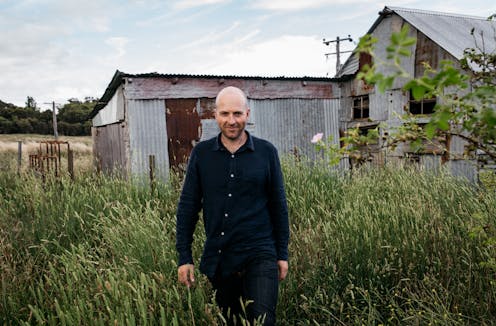
It’s been a tough couple of years for Australian farmers. Just months after Black Summer’s devastation, the pandemic struck. Catastrophic floods soon followed. African Swine Fever and foot and mouth on our doorstep pose an enormous threat, as do the more banal issues of inflation and labour shortages.
Farmers are a resilient mob, but on top of all this, they’re feeling under attack. Cattle have become a poster child for climate emissions. Images of animal cruelty in intensive systems fuel assumptions about the whole sector. Urbanites downplay their own complicity in Indigenous dispossession through pointing to farmers.
Review: My Father and Other Animals – Sam Vincent (Black Inc)
Sam Vincent’s new book is on one level a work of rural-urban translation. He pulls no punches in addressing agriculture’s negative impacts, but adds much-needed nuance through detailing how regenerative farmers are working to remediate the destruction wrought by settler-colonial extractive agriculture.
Learning to farm
The book’s narrative arc follows the succession of the family farm, located in the Yass Valley in the Australian Capital Territory’s northern tip. Divided into four parts, the book begins with Vincent’s entrée into farming life, slogging it out as his ageing father’s enthusiastic, if bumbling, farmhand.
At first glance, the book appears a light and comical portrait of his farming apprenticeship. Yet by weaving together the personal and political, Vincent provides a wealth of information on Australia’s settler history, industrial agriculture, and the regenerative turn.
Because the writing is clean, the humour tight, and the rural vignettes compelling, you often don’t even realise you’re being schooled.
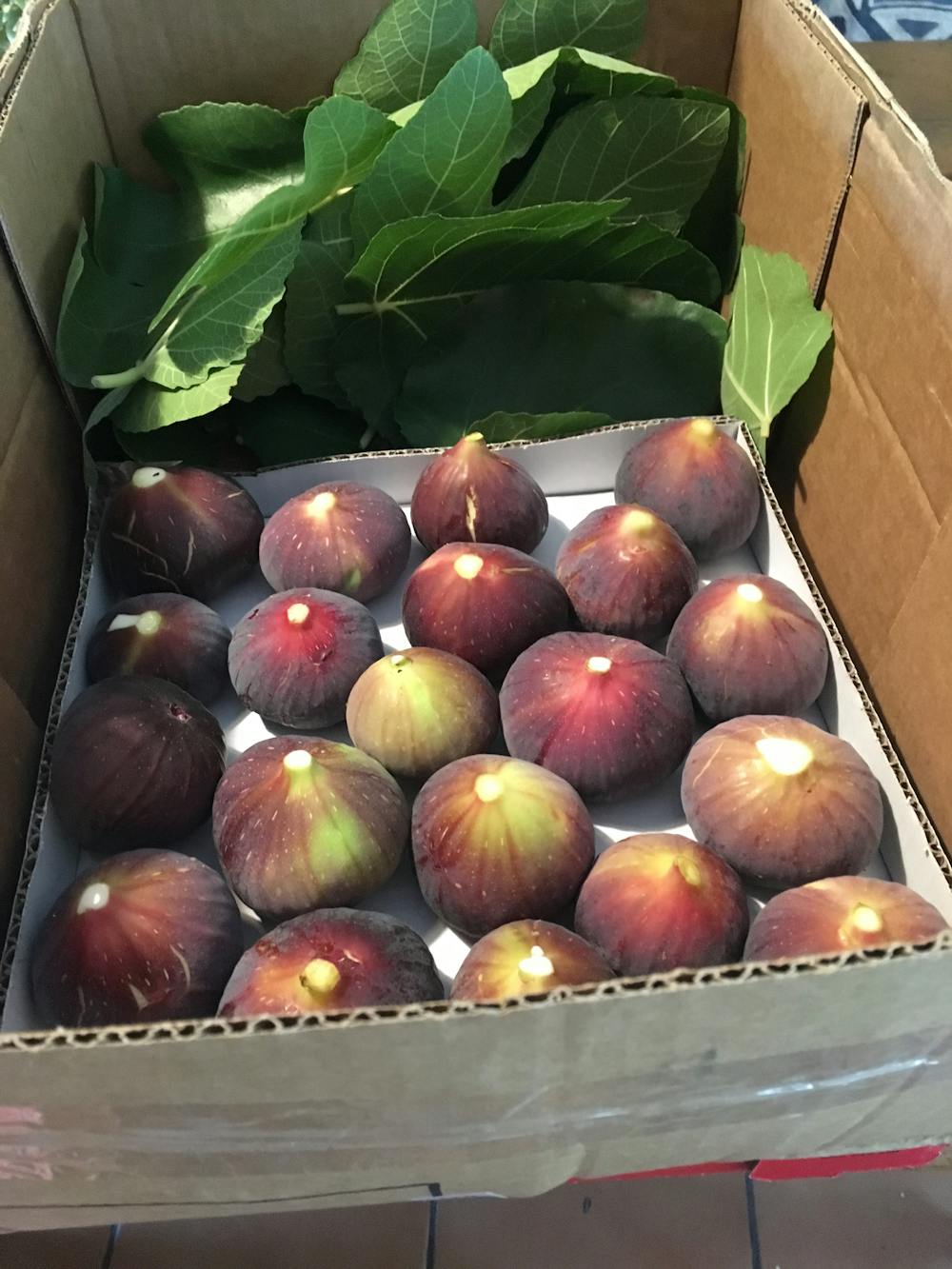
Vincent’s farming know-how grows throughout part two, “Orchardist”, wherein he catalogues his foray into fig farming, alongside a warts-and-all but affectionate analysis of his father, and the neoliberalism he’s held to stand for.
The dizzying array of fig facts will leave you craving one of these richly symbolic flowers (not fruits!) that, as a keystone species, play a key role in fostering biodiversity.
One of the most fun facts is that in hipster circles, figs have more cultural cache than cattle. Assumptions about the livestock industry are hilariously captured in Vincent’s alternate Tinder profiles as either cattle or fig farmer (spoiler: he does find love online, but via Twitter, not Tinder).
In praise of regenerative agriculture
Garnished with spicy reflections on gender, class and familial dynamics in rural Australia, the meat and potatoes of the book are served in part three, “Grazier”. Drawing on his time at “grazing school” – a TAFE holistic management course – Vincent digs deep into the principles and practices of regenerative agriculture.
 The book argues cows have a role in regenerative agriculture.
Author provided.
The book argues cows have a role in regenerative agriculture.
Author provided.
After a detailed and incisive critique of the industrial cattle sector’s negative ecological impacts, Vincent makes a case for regenerative approaches. “It’s not the cow, it’s the how,” he intones, outlining the positive role cattle can play in agro-ecosystems that maximise carbon sequestration and foster biodiversity.
His dialectical style, talking back to his leftie mates in the city, makes for a compelling case. Indeed, Vincent’s positioning, with a foot in both the farming and urban left camps, means he will likely bring both sides along for the ride.
Settler reckoning
Regenerative agriculture is integrally concerned with social justice, and part four, “Settler”, provides the book’s most valuable contribution.
Dave, an archaeologist friend, surveys the farm and identifies an ochre quarry of considerable cultural and historical significance. The Vincents connect with local Ngambri, Ngunnawal and Ngunawal community members and begin a journey that takes several years to gazette the site as an “Aboriginal Place”.
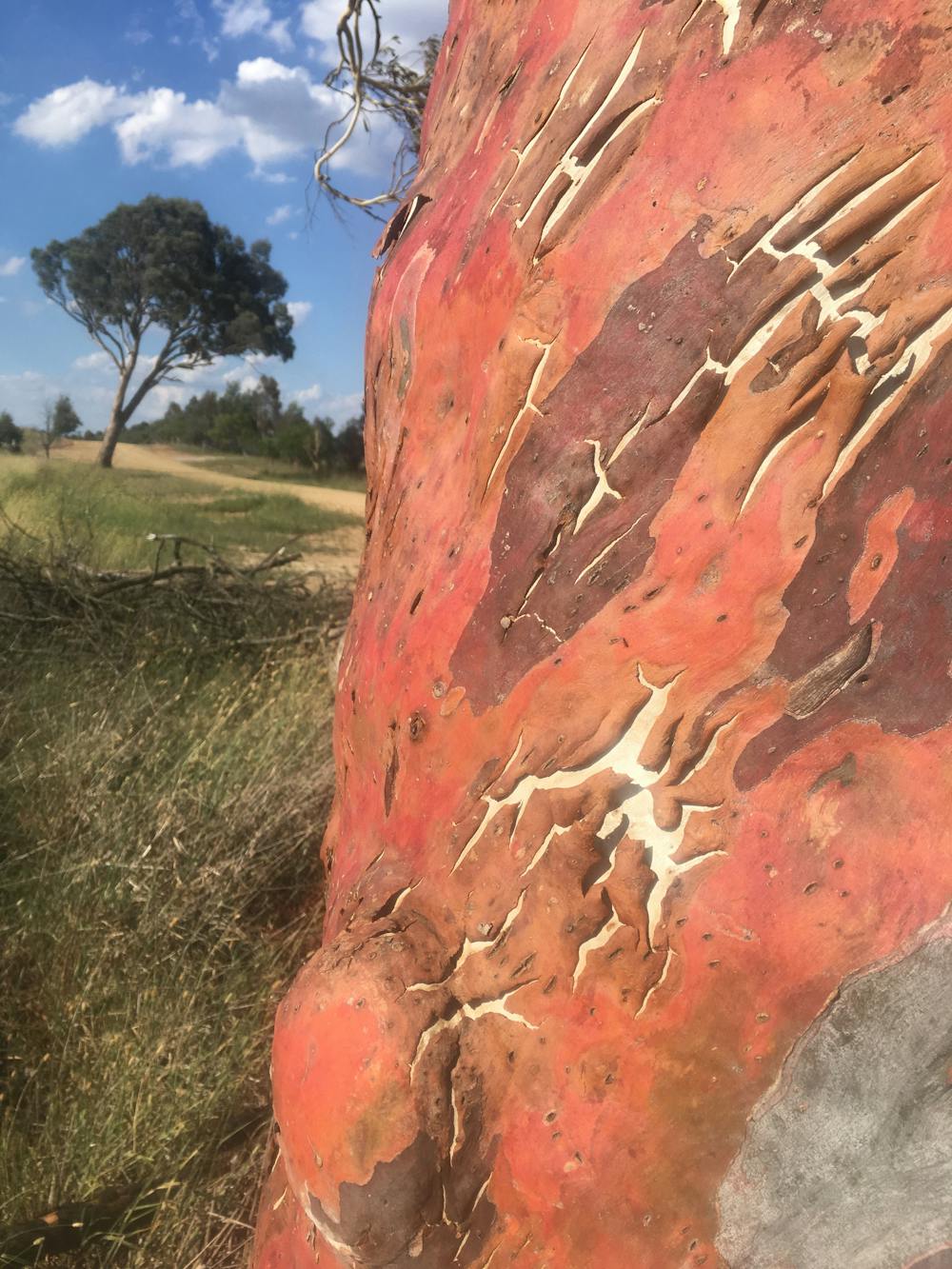 An ochre quarry is found on the farm.
Author provided.
An ochre quarry is found on the farm.
Author provided.
Vincent seeks to inspire other farmers to let go of their fears and connect with the land’s traditional owners. He is at pains to relay that nothing is lost for his family in this process; they will always have access, and even grazing rights, to the site, while gaining so much.
Rather than relegate to the distant past “Australia’s foundational sin, the violent theft of the land that has enabled my family and our society to enrich itself”, Vincent looks to his family’s relatively recent history.
He notes the proximity of his mother’s cousin’s farm to the egregious Warrigal Creek massacre. He recalls his grandfather describing Indigenous people living on his Murray River property in the 1940s.
Facing the past in this way, and the implications this might have for the present and future, is uncomfortable. Vincent’s transparency about some of his less generous thoughts and occasional unease brings a rare honesty to the national conversation.
Vincent is not alone in this reckoning. Farmer-led organisations such as the Australian Food Sovereignty Alliance have recently launched their First Peoples First policy.
Victorian farmers I work with are paying the rent to grassroots Indigenous organisations. Others in New South Wales and Queensland have given portions of their farms back to Traditional Owners, who are variously using the land to connect with Country, for ceremony, for growing traditional foods, and for tourism ventures.
There are no simple fixes for the dispossession and generations of pain and suffering settler Australians have inflicted on Indigenous Australians. The land question is particularly intractable. While many non-Indigenous Australians refuse to even adequately acknowledge histories of genocide and displacement, a new generation of farmers is working hard to progress both social and ecological reparations.
Drought and fire
In the final chapters, the drought of 2017-19 is painfully rendered. After the hard sell of regenerative agriculture, Vincent concedes that in the face of such extreme conditions, there are limitations to even the best land management practices.
Yet, while no rain brings respite for the land, Vincent gifts readers some comic relief. His fig orchards, sparingly watered for a few hours each week, become a green oasis for him and his father. “We paused for a moment,” he recalls, “me on my haunches, Dad lying down in the manner of a come-hither kangaroo”.
Such delightfully idiosyncratic imagery aside, Vincent claims there “isn’t a vocabulary for what happened next”. Yet he manages to powerfully evoke the heart-wrenching fires of Black Summer: the months of relentlessness smoke, the fear and dread, the animal deaths, the ecosystem devastation, the human tragedy.
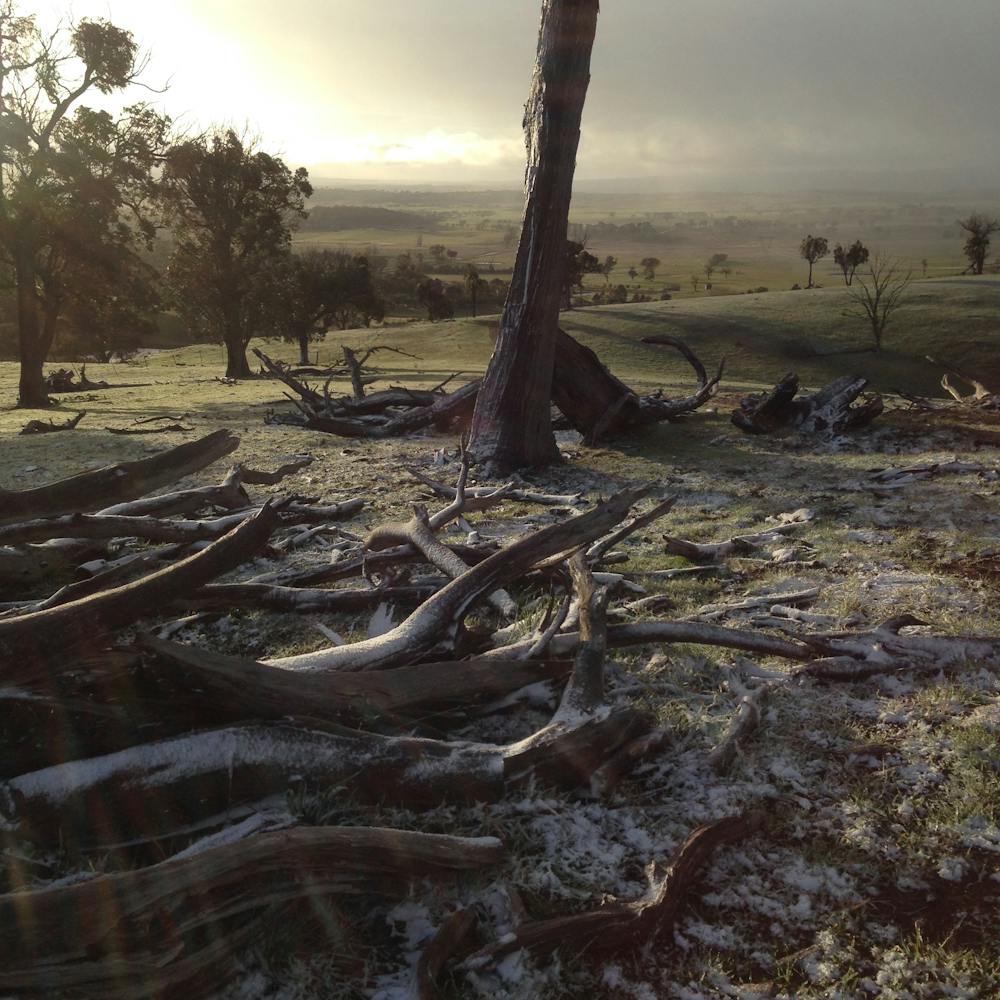 The impact of fires is powerfully evoked.
Author provided.
The impact of fires is powerfully evoked.
Author provided.
There is a powerful immediacy here given how recently the events of that terrible summer took place.
With the birth of his first child, the book returns to the succession theme and ends on a hopeful note.
Vincent has already demonstrated his writing chops via his first book, Blood and Guts, and his Walkley award-winning writing in publications including the Monthly and The Saturday Paper. The brilliance of this book is its multiple layers. Readers who come for the rollicking rural gambol will stay for the postcolonial politics and food system education.
Authors: Catie Gressier, Research Fellow, The University of Western Australia

















