

Pharmac prioritised Māori and Pacific patients for access to new diabetes drugs – did they get it right?
- Written by: Lynne Chepulis, Associate Professor Health Sciences, University of Waikato
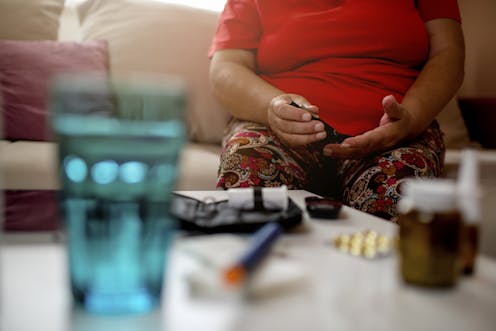
The controversial 2021 decision by the government drug-buying agency Pharmac to prioritise Māori and Pacific patients in its funding of two game-changing new diabetes drugs appears to have paid off.
At the time, Pharmac wanted to restrict funding to those diabetes patients who met certain health criteria. The Diabetes Foundation, however, warned that hundreds of New Zealanders would die earlier than they should without full funding for everyone.
After sustained lobbying, Pharmac decided to prioritise funding for Māori and Pacific patients without needing to meet additional criteria. It described the decision as an important step forward in improving equity for these groups.
Our recent research, to be published later this year, shows Pharmac has indeed been able to significantly improve access for these communities, which are over-represented in diabetes statistics.
Health costs of old medicines
An estimated 11% of New Zealand’s annual health budget goes towards treating diabetes. Māori are three times more likely to be affected by diabetes than Pākehā, and Pacific people are five times more likely.
Mortality rates for Māori with type 2 diabetes are also seven times higher than for non-Māori. And it is predicted that one in four Pacific people will have the disease within 20 years.
Traditional approaches to managing diabetes in New Zealand include medications such as metformin and insulin. These are both relatively cheap and fully funded.
However, despite the fact they are both affordable and accessible, they’re not always sufficient to maintain optimal long-term blood sugar levels. This puts patients at a much higher risk of diabetes-related complications, including cardiovascular disease and hospitalisation.
Costly but effective
Insulin also tends to lead to weight gain, which can be frustrating beacuse maintaining a healthy weight is important to managing diabetes.
However, the two new diabetes drugs approved for use in New Zealand have both been shown to cause dramatic improvements in blood glucose levels and weight. They also protect the heart and kidney from diabetes-related damage.
These drugs are relatively expensive, with the approved options in New Zealand costing approximately NZ$58 per pack (Jardiance and Jardiamet, for example) or $115 per pack of four injection pens (Trulicity).
But these treatments have the advantage of not only optimising diabetes management and quality of life for patients, but also potentially reducing the likelihood of diabetes-related hospital costs down the track.
The decision to fund the drugs for some
With a limited annual budget of just over $1 billion, Pharmac has declined to fund these new diabetes medications for everyone. It’s an understandable position. Across the board, many lifesaving drugs are extremely expensive. Just 10% of people receiving subsidised medications account for over 80% of the money spent.
Initially, Pharmac opted to fund the new diabetes drugs by special authority, requiring funded patients to meet specific clinical criteria. However, this would not have addressed health inequality for Māori and Pacific patients.
Eventually, Pharmac agreed to focus its funding on the groups hit hardest by the illness. In a first for the agency, all Māori and Pacific patients with current type 2 diabetes could access these drugs without the need to meet any further clinical criteria.
The decision was not without criticism, with the Diabetes Foundation accusing Pharmac of “penny pinching” on drugs. There is also the concern that some patients can only get funding for one of the drugs, when a combination of both might achieve better results.
Targeted funding works
But has the decision to fund with ethnicity as a criterion worked? Have we seen more Māori and Pacific patients prescribed these drugs?
Long story short – yes. Pharmac’s decision does appear to have made a significant difference in the number of Māori and Pacific patients accessing the new medications.
In a 2021/2022 review of over 50,000 patients with type 2 diabetes from Auckland and Waikato – 20% of whom were Māori and 20% Pacific peoples – the proportion of Māori and Pacific patients with cardiovascular and renal disease who were prescribed these drugs was significantly higher than other groups (42% versus 30%).
In those without cardiovascular and renal complications, the rates were even higher (55% versus 30%). These figures are a big step towards ensuring equitable health outcomes for our tangata whenua and Pacific peoples.
The next step to assess the efficacy of this new funding model will be to look at whether there has been a reduction in hospitalisations and GP visits. While it is too soon to tell, data from overseas – where these drugs have been available for around 15 years – suggest this will be the case.
Of course, this does not solve the issues around longstanding inequities in healthcare in Aotearoa New Zealand. But the targeted funding appears to have achieved some improvements in the management of diabetes. Considering this success, will Pharmac consider ethnicity as a criterion for other medicines as well?
Correction: this article originally stated approved drugs were NZ$58 per pill. This has been amended.
Authors: Lynne Chepulis, Associate Professor Health Sciences, University of Waikato

















