Modern Australian
Men's Weekly

.

The world’s coral reefs are bigger than we thought – but it took satellites, snorkels and machine learning to see them

  • Written by Mitchell Lyons, Postdoctoral research fellow, The University of Queensland
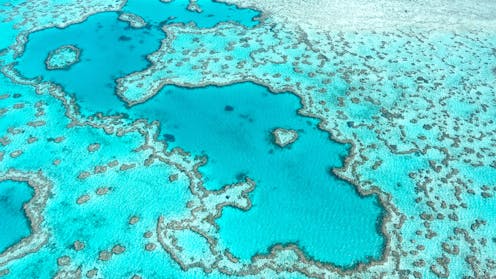
The world’s coral reefs are bigger than we thought – but it took satellites, snorkels and machine learning to see them

The world’s coral reefs are close to 25% larger than we thought. By using satellite images, machine learning and on-ground knowledge from a global network of people living and working on coral reefs, we found an extra 64,000 square kilometres of coral reefs – an area the size of Ireland.

That brings the total size of the planet’s shallow reefs (meaning 0-20 metres deep) to 348,000 square kilometres – the size of Germany. This figure represents whole coral reef ecosystems, ranging from sandy-bottomed lagoons with a little coral, to coral rubble flats, to living walls of coral.

Within this 348,000 km² of coral is 80,000 km² where there’s a hard bottom – rocks rather than sand. These areas are likely to be home to significant amounts of coral – the places snorkellers and scuba divers most like to visit.

You might wonder why we’re finding this out now. Didn’t we already know where the world’s reefs are?

Previously, we’ve had to pull data from many different sources, which made it harder to pin down the extent of coral reefs with certainty. But now we have high resolution satellite data covering the entire world – and are able to see reefs as deep as 30 metres down.

We coupled this with direct observations and records of coral reefs from over 400 individuals and organisations in countries with coral reefs from all regions, such as the Maldives, Cuba and Australia.

To produce the maps, we used machine learning techniques to chew through 100 trillion pixels from the Sentinel-2 and Planet Dove CubeSat satellites to make accurate predictions about where coral is – and is not. The team worked with almost 500 researchers and collaborators to make the maps.

The result: the world’s first comprehensive map of coral reefs extent, and their composition, produced through the Allen Coral Atlas.

The maps are already proving their worth. Reef management agencies around the world are using them to plan and assess conservation work and threats to reefs.

We combined satellite data with real world observations. Here, Dr Eva Kovacs tows a GPS on the Great Barrier Reef. Allan Coral Atlas, CC BY-SA

You can see the difference for yourself. In the interactive slider below, red indicates the newly detected coral in reefs off far north Queensland.

This infographic shows the new detail we now have for the Tongue Reef, in the seas off Port Douglas in Far North Queensland.

Our maps have three levels of detail. The first is the most expansive – the entire coral reef ecosystem. Seen from space, it has light areas of coral fringed by darker deeper water.

Then we have geomorphic detail, meaning what the areas within the reef look like. This includes sandy lagoons, reef crests exposed to the air at low tide, sloping areas going into deeper water and so on.

And finally we have fine detail of the benthic substrates, showing where you have areas dominated by coral cover.

Coral can’t grow on sand. Polyps have to attach to a hard surface such as rock before they can begin expanding the reef out of their limestone-secreting bodies.

Some of our maps include fine detail of benthic substrates, meaning where coral is most likely to be and the substrates (seafloor) available to the polyps, such as existing coral, sand, rubble, or seagrass.

Made with Flourish

It’s a crucial time for the world’s coral reefs. We’re discovering the full extent of shallow water reefs – while other researchers are finding large new black coral reefs in deeper water.

But even as we make these discoveries, coral reefs are reeling. Climate change is steadily heating up the sea and making it more acidic. Coral polyps can’t handle too much heat. These wonders of biodiversity are home to a quarter of the ocean’s species.

Scientist doing coral reef research.
Making these maps took plenty of underwater research as well as satellite data. This photo shows Dr Chris Roelfsema conducting a photo transect in a remote area of the Great Barrier Reef. Allen Coral Atlas, CC BY-SA

In good news, these maps are already leading to real world change. We’ve already seen new efforts to conserve coral reefs in Indonesia, several Pacific island nations, Panama, Belize, Kenya and Australia, among others.

Read more: How do coral reefs thrive in parts of the ocean that are low in nutrients? By eating their algal companions

Authors: Mitchell Lyons, Postdoctoral research fellow, The University of Queensland

Read more https://theconversation.com/the-worlds-coral-reefs-are-bigger-than-we-thought-but-it-took-satellites-snorkels-and-machine-learning-to-see-them-223322

Common Legal Challenges Solved by Commercial Lawyers in Melbourne

Running a business often involves navigating legal issues that can interrupt growth if left unresolved. This article will explore the most common ch...

Engineered Timber Floors Melbourne: A Refined Flooring Choice For Modern Homes

Flooring decisions influence both the appearance and performance of a home for decades. As homeowners seek materials that balance natural beauty wit...

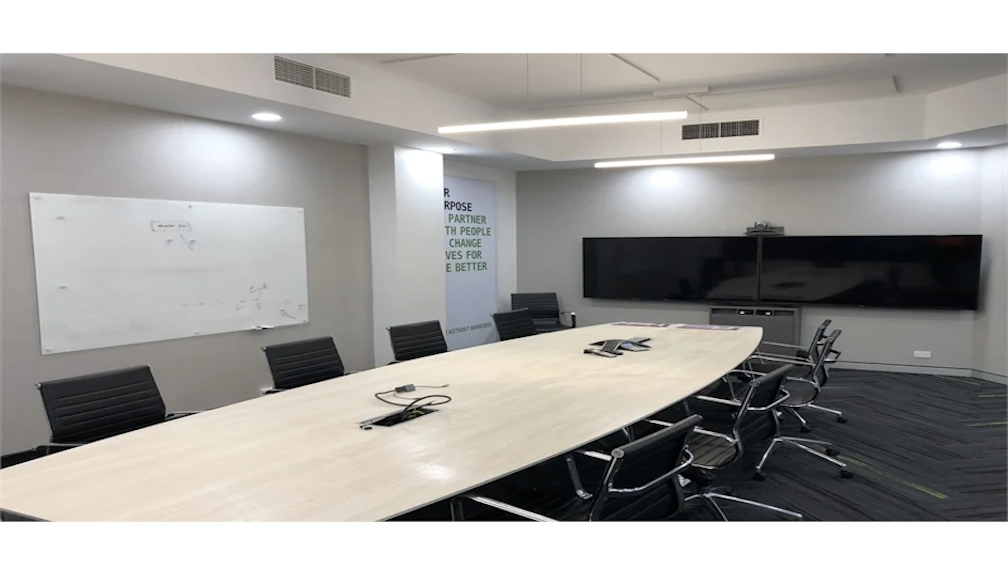
Whiteboard Systems Supporting Clear Thinking and Visual Planning

Effective communication often starts with making ideas visible. A whiteboard provides a clean, flexible surface where thoughts can be organised, share...

BMW Used Cars and the Appeal of Driving German Engineering

For drivers who value performance, comfort, and refined design, BMW used cars Melbourne offer an attractive way to experience premium motoring without...

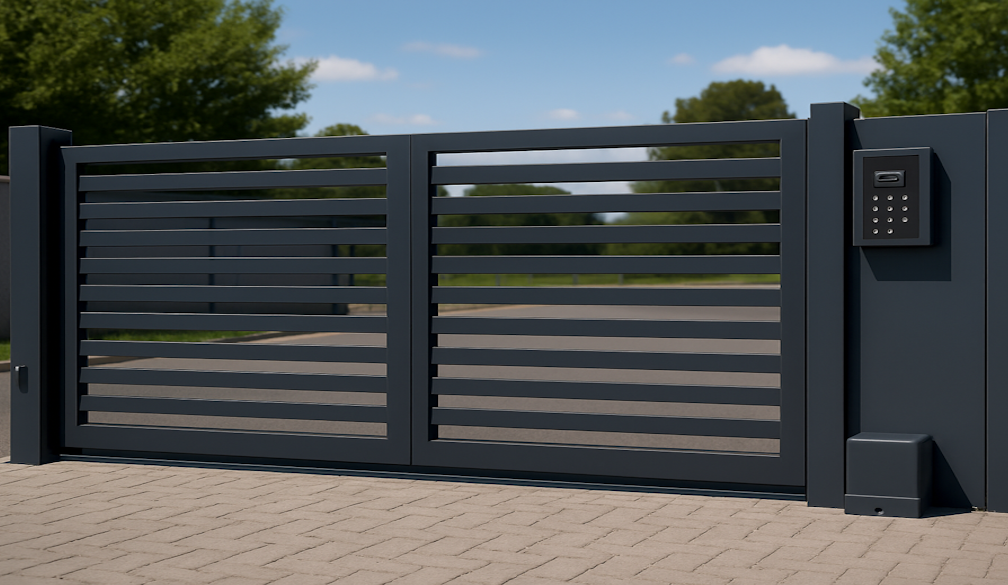
Why Automatic Gates Melbourne are A Smarter Property Access

Security and convenience have become defining features of modern properties, and automatic gates Melbourne are increasingly seen as a practical sol...

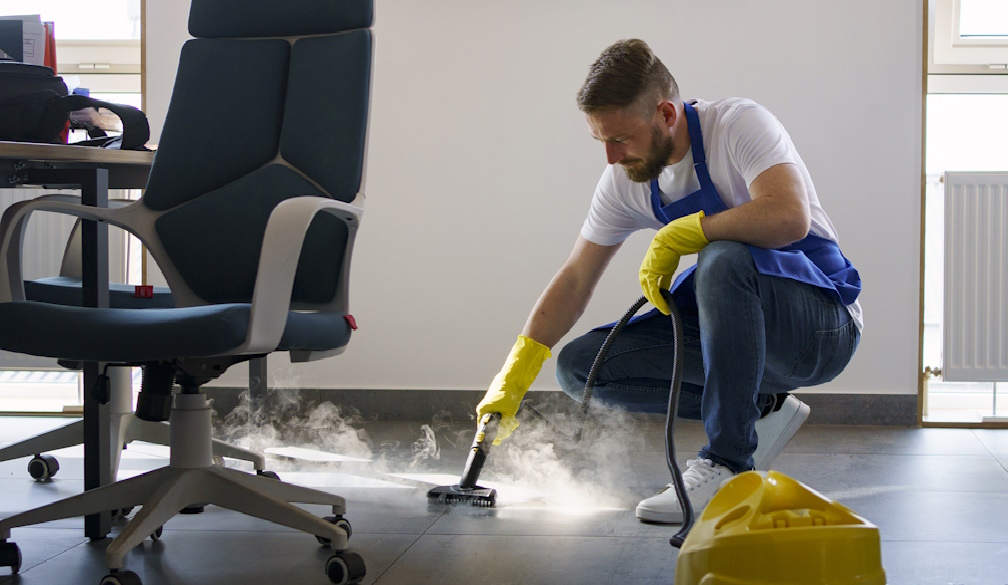
The Importance Of Structured Commercial Office Cleaning In Busy Office Environments

Office spaces are dynamic environments where people collaborate, meet clients, and spend a significant portion of their day. Maintaining cleanliness...

Single Tooth Dental Implant for Natural Tooth Replacement and Lasting Stability

Losing a single tooth can have a noticeable impact on comfort, appearance, and confidence, which is why a Single Tooth Dental Implant is considered...

When Grief Doesn’t Follow a Timeline

Grief rarely moves in a straight line. It doesn’t follow stages neatly, and it doesn’t respond well to pressure — especially the quiet pressure ...

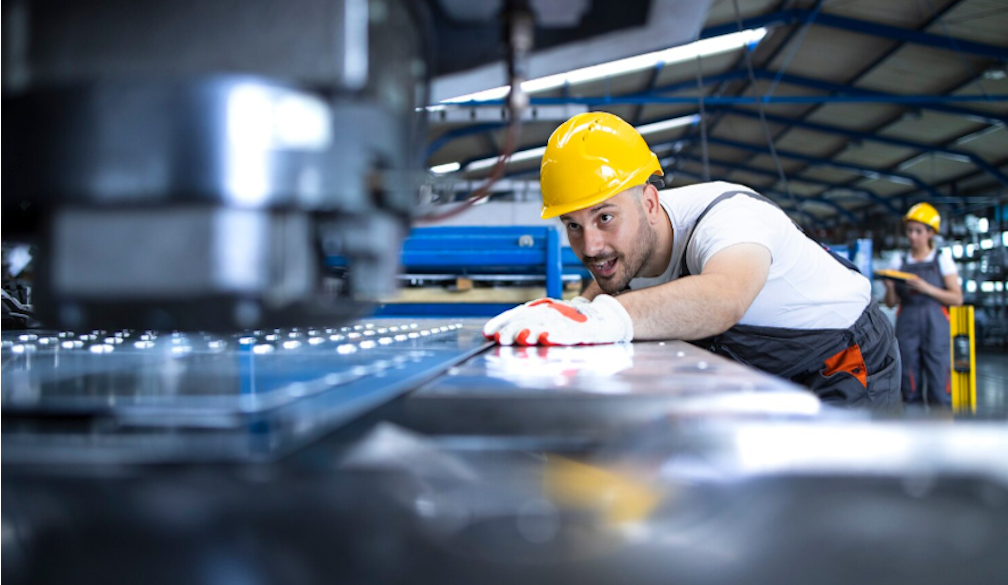
Steel Plate And Its Role In Modern Construction And Manufacturing

A steel plate is one of those materials that quietly holds the modern world together. It does not demand attention, yet it supports bridges, buildin...

Understanding Fat Transfer to the Breast: What to Know Before Considering the Procedure

Surgical options for breast enhancement have evolved over time, offering different approaches depending on a person’s goals and body type. One opt...

What to Do When Your Car’s Side Window Is Broken

A shattered side window is more than an inconvenience. Whether caused by a break-in, road debris, or accidental impact, it leaves your vehicle exposed...

Shopify Web Development and Shopify Website Development for Scalable Online Stores

Choosing the right platform is a crucial decision for any online business, and Shopify web development has become a popular choice for brands that ...

How a Burleigh Heads Plumber Tests for Pipe Leaks

Pipe leaks can be deceptively difficult to spot. Some announce themselves with a steady drip under the sink, but many develop quietly behind walls, ...

What Local Businesses Should Expect from IT Services in Melbourne?

If you run a Melbourne business with roughly 7–100 staff, you have probably noticed something over the last couple of years. The IT problems got m...

How Professional Cleaning Improves Indoor Air Quality

Indoor air quality (IAQ) plays a crucial role in our health, comfort, and overall wellbeing. Australians spend nearly 90% of their time indoors-at hom...

Solar and Solar Battery Systems: Powering Smarter Homes in Victoria

As energy prices continue to rise and sustainability becomes a priority for Australian homeowners, more families are investing in Solar and Solar Ba...

Plumbing Emergency Melbourne: What to Do When Every Minute Counts

A sudden plumbing issue can quickly turn into a major disaster if not handled promptly. From burst pipes and overflowing toilets to leaking gas line...

Why Older Melbourne Homes Require Detailed Building & Pest Inspections

Older homes make up a large part of Melbourne’s housing stock. Victorian terraces, Edwardian houses, Californian bungalows, and post-war brick hom...