

Ice baths are popular for exercise recovery and general wellness. But what does the science say?
- Written by: Hunter Bennett, Lecturer in Exercise Science, University of South Australia
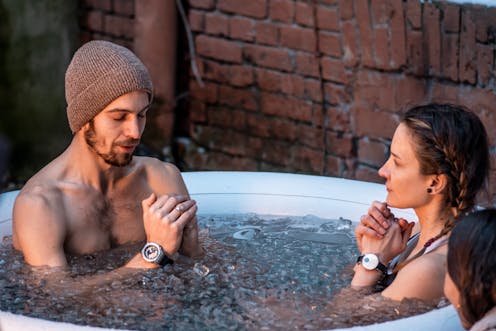
Ice baths have become increasingly popular over the past few years. Fitness enthusiasts and casual exercisers around the world are embracing this trend that was once reserved for elite athletes.
Ice baths (also known as “cold water immersion”) are exactly what they sound like. They involve immersing your body in cold water for a set amount of time.
Ice bath temperatures typically range from 10–15°C, though many people opt for water that’s literally icy.
Social media is filled with videos of people plunging into freezing water, claiming this helps with everything from recovery after exercise to mental health.
But do ice baths live up to the hype? Here’s what the evidence says.
Ice baths for recovery after exercise
One of the main reasons people use ice baths is to reduce muscle soreness and improve recovery after exercise. Athletes, including endurance runners, weightlifters and football players, commonly use ice baths.
And there’s plenty of evidence to suggest ice baths can improve recovery after exercise.
Research shows having an ice bath immediately after a bout of intense exercise can reduce muscle soreness in the following hours and days. Ice baths have also been shown to help with recovery in areas including muscle strength, power and flexibility.
Ice baths do this by reducing post-exercise inflammation, muscle swelling, and muscle damage, while improving the clearance of metabolites, such as lactate.
So, if you are someone who needs to perform bouts of intense exercise on back-to-back days, ice baths could be a good option.
But they shouldn’t be used all the time, even if you are an athlete.
As mentioned above, one of the ways ice baths work is by reducing inflammation in the muscle tissue that occurs after exercise. While this helps muscle recovery, this inflammation also acts as a signal that tells the body to adapt and become stronger.
For this reason, using ice baths too often (that is, after most training sessions) may blunt training-related increases in strength, endurance and power, as well as muscle growth.
Notably, ice baths don’t seem to harm aerobic fitness. This means you might be OK to use them as often as you want after aerobic training sessions.
Ice baths and general health
More recently, ice baths have gained traction in the broader fitness and wellness communities. Proponents suggest they can enhance mental health, immune function, and overall wellbeing.
But the research in this space is sparse.
We recently did a systematic review examining all the published research looking at ice baths and health outcomes in the general population (rather than athletes).
We found only 11 studies, some of which used cold showers instead of ice baths. The evidence suggested regular cold water immersion might lead to small reductions in stress, small improvements in sleep quality and self-reported quality of life, and might reduce how often people get sick (such as with a cold or the flu).
However, many of these findings came from single studies, so they should be interpreted with caution until more research is conducted. Also, we didn’t explore how ice baths (and cold showers) may have caused these effects, so we don’t know exactly how they work.
Are there any risks?
While there isn’t any research examining the dangers of ice baths at a population level, there are some possible risks.
In rare instances cold water immersion has been shown to lead to cold shock. This condition is caused by a rapid fall in skin temperature and can lead to gasping, hyperventilation, high blood pressure, and, infrequently, cardiac arrhythmia (irregular heartbeat), which can be fatal if not treated quickly.
There’s also some evidence to suggest staying in an ice bath too long (more than 30 minutes) can increase the risk of hypothermia, which is when body temperature falls dangerously low.
5 tips if you’re thinking of trying an ice bath
If you’re considering trying ice baths, there are a few things worth keeping in mind.
1. Don’t go too cold: Even though the word “ice” is in the name, most research has shown that 10–15°C is cold enough to optimise their effectiveness.
2. Don’t stay in too long: Ice bath durations vary quite broadly in the research, with some lasting as little as three minutes, and others as long as 30.
However, the most common range is 10–20 minutes, which seems to be more than enough to get any health and post-exercise benefits. So if you’re new to ice baths, starting with around 10 minutes total, broken up into 3–5-minute bouts, is a good place to start.
3. Enter slowly: Your stress response peaks in the first 30 seconds of cold water immersion, before fading away. To minimise your chance of getting severe cold shock, wait for this response to disappear before immersing your upper chest and face in the water (or even better, keep your face out of the water at all times).
4. Monitor how you’re feeling: Pay attention to how you’re feeling in the ice bath. While shivering is normal, dizziness or numbness might be a sign you should hop out.
5. Use them strategically: If you’re training to improve muscle strength, power, or size, consider using ice baths sparingly, rather than as a daily routine.
Authors: Hunter Bennett, Lecturer in Exercise Science, University of South Australia


















