Great time to try: baking sourdough bread
- Written by Lyndal Collins, Research dietitian, Department of Gastroenterology, Monash University
In the midst of this global pandemic, a sourdough revolution has been born.
More time at home combined with supermarket shortages of essentials, has fostered the creativity of a whole new generation of home bakers.
If your Instagram feed is filled with everyone’s favourite new housemate, the sourdough starter, you may be wondering what is so special about these strange, bubbly jars of flour and water and the tasty bread they create.
A happy accident
Sourdough is a leavening (rising) method for baked products that dates back to at least ancient Egypt.
Historians believe that this technique was likely discovered by accident by a baker leaving dough unattended for much longer than usual. By sitting for longer, the wild yeast and bacteria living in the flour, water and air had sprung to life, transforming the dough into what would become the first form of leavened bread. It tasted better and lasted longer, so it stuck.
The sourdough process starts with a starter (sometimes called a “sponge”) - a simple mixture of flour and water. When left for a day or so, a vibrant community of wild yeast and bacteria start to bloom. These microscopic organisms work in harmony to transform the sugars and starches in the flour, producing the gas bubbles that help bread rise and natural acids that give sourdough its characteristic taste, aroma and texture.
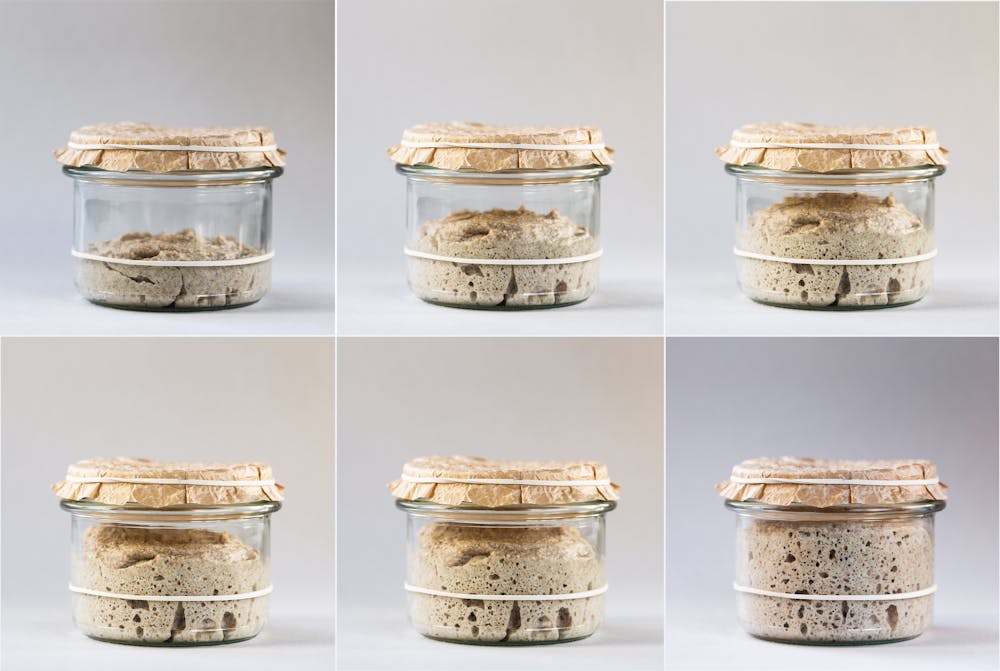 With nothing more than flour and water you can create a bubbly new companion who will provide good bread vibes.
Shutterstock
With nothing more than flour and water you can create a bubbly new companion who will provide good bread vibes.
Shutterstock
Up until fairly recently, the sourdough tradition (including the starter) was passed down through the generations and considered the norm for bread making. However, in the dawn of the industrial revolution, baker’s yeast (Saccharomyces cerevisiae) was discovered and began to be mass produced.
Baker’s yeast is now the preferred leavening agent for commercial bread making due to its aggressive nature, resulting in dough that rises quickly and bread that is ready in just a few hours. Sourdough, on the other hand, relies on much gentler yeast and bacteria, that ideally need a longer proving time to work their magic.
Good bread, better for you
Sourdough bread has many nutritional and health benefits over its modern commercial yeast bread counterparts.
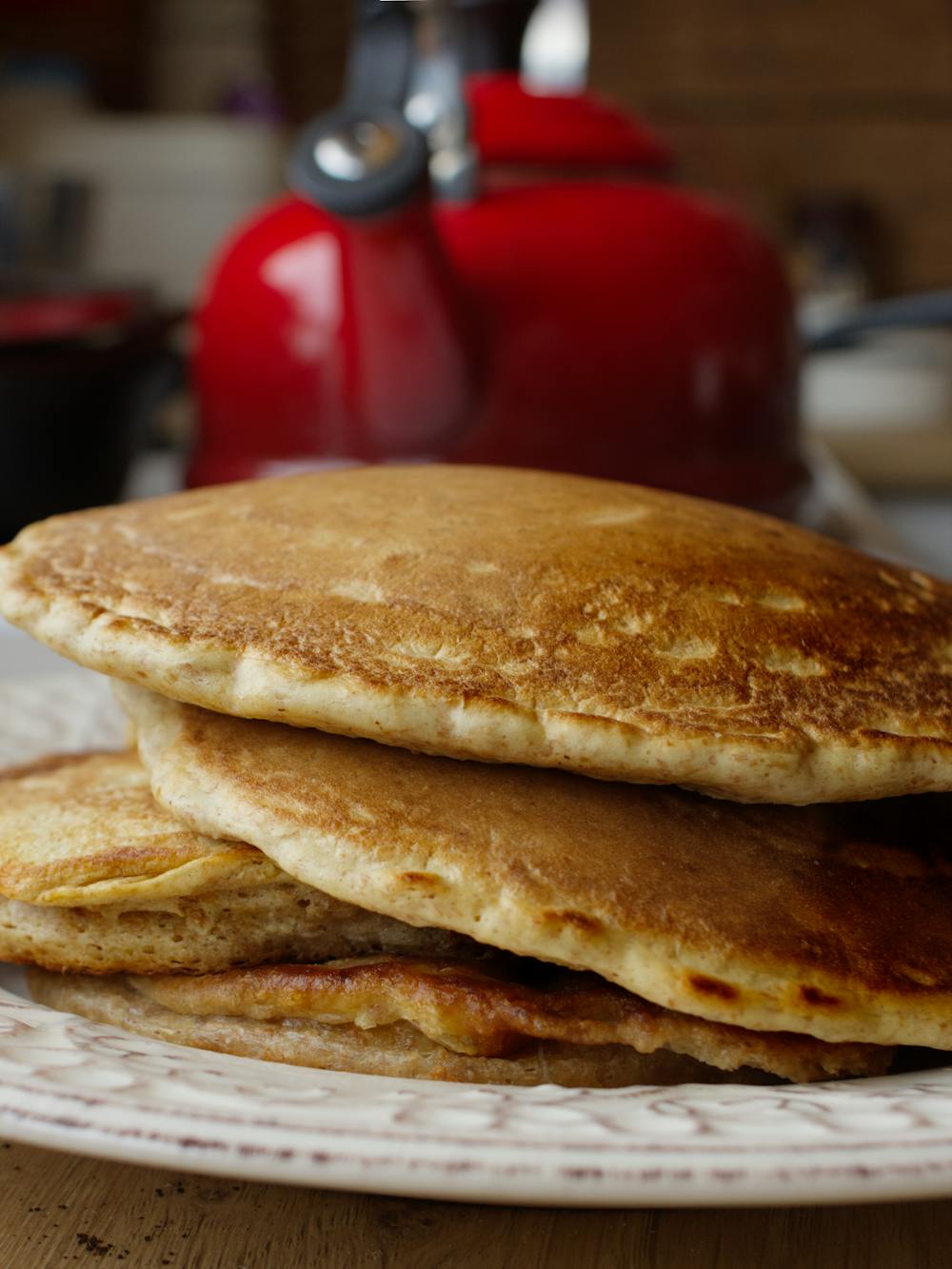 Extra starter can be used to make light and tasty pancakes.
Shutterstock
Extra starter can be used to make light and tasty pancakes.
Shutterstock
Throughout the long rising process, the bacteria present in the starter (typically lactobacillus species) feed on carbohydrates in the dough, producing both lactic and acetic acids as biproducts. This acidity results in a bread with a lower glycaemic index (and a longer shelf life). This makes sourdough a great option for diabetics as it is digested more slowly, resulting in a lower and slower rise in blood sugar levels after eating. Because it is more slowly digested, sourdough bread will even keep you feeling fuller for longer.
The sourdough process also helps to break down common culprits (like FODMAPs and gluten) that may cause bloating and digestive upset in people with food intolerances and irritable bowel syndrome.
Sourdough making also reduces the phytate content of bread, meaning important minerals like zinc and magnesium are more easily absorbed.
Read more: The psychology of comfort food - why we look to carbs for solace
Getting started with your starter
Ready to give your own sourdough a try? You can either make your own starter, get one from a friend or buy one online.
No matter the source, each starter will contain its own unique community of yeast and bacteria. It will change over time depending on how you feed it. Wait, feed it? Yes, your starter is very much alive and like any pet, plant or housemate, needs to be tended to regularly to keep it flourishing.
Feeding your starter is simple and your feeding schedule will depend on how you plan on storing it: in the fridge for less frequent use or on the bench if you bake bread every day or second day. Try to find a storage and feeding regime that fits your lifestyle. This will prevent your starter becoming too “needy”.
Tip top baking pointers
It typically takes a week or so to create a starter with enough umph to make a reasonable loaf of bread. You will know it is ready to go when it can double in size in under eight hours after feeding.
There are many sourdough recipes online to help get you started, but here are some key tips for success.
Try a variety of recipes using a range of different flours (common ones include wheat, rye and spelt). You will eventually find something that best suits your taste buds!
Prove your dough overnight in the fridge. The result will be a more flavoursome loaf. Just remember to bring your dough to room temperature and ensure it has doubled in size before baking.
Need a gluten-free sourdough? This is possible using a gluten-free starter and ingredients for those with coeliac disease.
Though the process can seem complicated at first, the long rising process makes sourdough quite a forgiving artform. If it doesn’t work out first go, try something different next time. You could even consider joining an online sourdough class to perfect your skills.
So why not experiment with making your own sourdough starter this week - it may just become the most fun and rewarding housemate of them all!
Authors: Lyndal Collins, Research dietitian, Department of Gastroenterology, Monash University
Read more https://theconversation.com/great-time-to-try-baking-sourdough-bread-136493