Ethical fashion is confusing — even shoppers with good intentions get overwhelmed
- Written by Harriette Richards, Honorary (Fellow) Cultural Studies, University of Melbourne
As Australian consumers step out of their loungewear post-lockdown, many might be looking to buy new clothes for themselves or as gifts.
Whether you’re buying sweatpants or sequins, online or in-store, ethical fashion shopping can be confusing. There are so many terms, certifications, and accreditation systems — not to mention the marketing spin and corporate greenwashing — to navigate.
Our recent research examined the impact modern slavery laws have had on consumer awareness about ethical fashion, as part of a larger project on modern slavery.
We surveyed over a hundred participants, conducting additional interviews with 22 of them via Zoom during July and August 2020. They told us that although they felt well informed about the broader issues, they struggled with knowing what was truly ethical or sustainable at the point of purchasing an item.
Our work coincides with research, released by Oxfam today, showing big Australian fashion brands entrench worker inequality and poverty — especially for women — with unethical businesses practices.
Modern slavery
The introduction of the Modern Slavery Act in 2018 made Australia one of only a handful of places with legislated reporting requirements on modern slavery practices. The Act requires large companies to report on the supply chains that sustain their businesses. It also potentially serves to reassure consumers about where and how their clothes are made. Or does it?
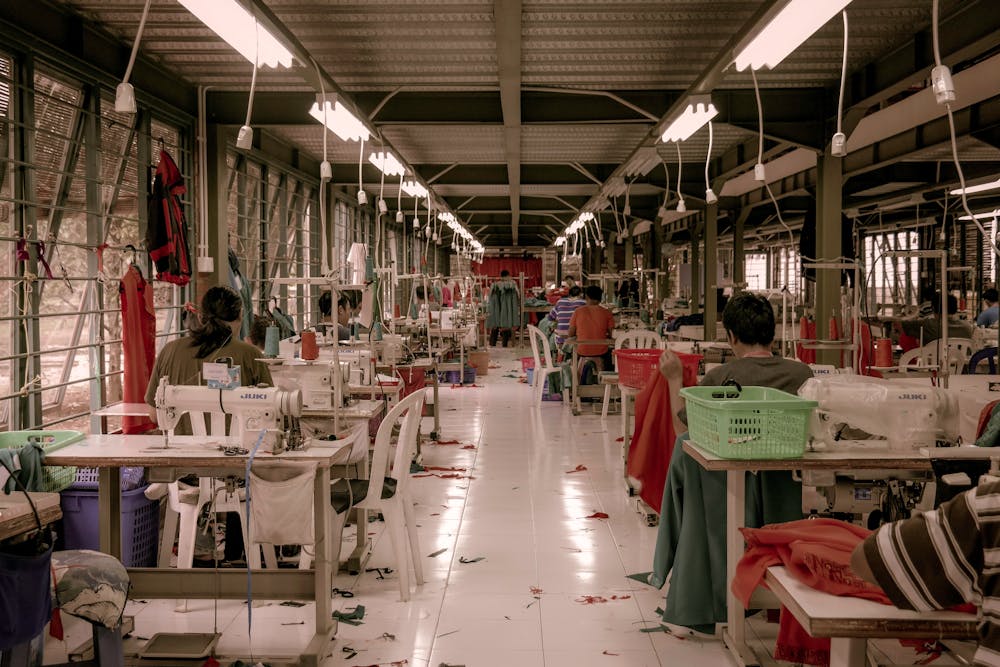 Workers in the global fashion supply chain, such as these Indonesian seamstresses, come under Australia’s modern slavery laws.
Rio Lecatompessy/Unsplash, CC BY
Workers in the global fashion supply chain, such as these Indonesian seamstresses, come under Australia’s modern slavery laws.
Rio Lecatompessy/Unsplash, CC BY
Many of our research participants felt overwhelmed when trying to locate and interpret information about where, how and by whom their garments are made. One interviewee said:
I feel really conflicted because [Japanese megastore] Uniqlo is so good for basics and often they’re made out of good materials like linen but I know that they are not great, not very sustainable, not very ethical … it’s hard.
Those wanting to be “conscious consumers” find that they need to get acquainted with accreditation and certification systems, stay up to date with ethical shopping guides, and know what it means for garment workers to receive a living wage or be a union member.
Participants also recognised that the time, energy and resources necessary to make informed decisions are not available to everyone.
Read more: Is the dress green or red? Planet-friendly couture won't be for everyone but it can lead the way
Wary of spin
Many participants were deeply sceptical of the corporate packaging of sustainability and ethical production. The renewed popularity of secondhand and vintage fashion indicates some consumers are mitigating confusion by opting out of buying new things altogether.
Nevertheless, there is considerable trust for flagship eco-brands such as Patagonia, as well as smaller labels that connect consumers with the garment maker or material sourced. The shoppers we interviewed said they trusted local fashion labels such as Arnsdorf and online marketplaces such as Well Made Clothes over larger corporate entities.
The fashion industry’s big retailers promote products that meet ethical or sustainable standards, such as David Jones’ Mindfully Made collection, the Iconic’s Considered Edit, and Kmart’s partnership with the Better Cotton Initiative.
Very few participants were aware of the Australian Modern Slavery Act. Most believe that “modern slavery” refers only to “off-shore” production, not garment workers in Australia. In fact, the Act requires Australian businesses to report on modern slavery risks in both global and domestic operations.
Read more: Why you should stop buying new clothes
Three good sources of information for conscious shoppers:
• Ethical Fashion Australia provides ethical certification for Australian-manufactured fashion
• The Baptist World Aid Fashion Report includes rankings of how fashion brands have responded to COVID-19
• Oxfam has previously published an annual Naughty or Nice List. Oxfam has released a new report and company tracker to show how big brands and their factories rate in terms of providing a living wage to workers — who are mostly women. Poor purchasing practices included aggressive price negotiation, inaccurate forecasting of orders, short lead times and last-minute changes to orders — all of which can make working conditions tougher.
Oxfam found that H&M Group performed relatively well on ratings by factories. Big W, Kmart and Target Australia were close behind, followed by Cotton On, Inditex (Zara) and Myer. The survey results show that factories rated The Just Group and Mosaic Brands as the worst performers.
Read more: Time to make fast fashion a problem for its makers, not charities
What about when you really want it though?
Our Modern Slavery consumer research indicates that shoppers recognise the challenges of conscious consumption and their own tendency to “suspend their ethics” when they feel overwhelmed by information, judge their need for an item as “urgent”, or are simply seduced by an appealing garment.
The last thing I bought was actually totally different to my usual shopping habits … I bought a fast fashion thing [online], which I never do!
Many shoppers reported buying consciously for themselves but giving up when it came to purchasing clothes for their children or other family members.
I would say the vast majority of what I buy for the kids is definitely not ethical.
Recognising consumers’ challenges and good intentions is crucial if we are to improve the ethics of the global fashion system.
Rather than simply increasing the number of certifications or accreditations brands should adhere to, our research suggests we would do better to increase consumer knowledge of those that already exist — and what they mean in practice.
Authors: Harriette Richards, Honorary (Fellow) Cultural Studies, University of Melbourne