

Thinking of buying a dehumidifier? Advice from an expert on mould and damp
- Written by Michael Taylor, Adjunct academic, Flinders University
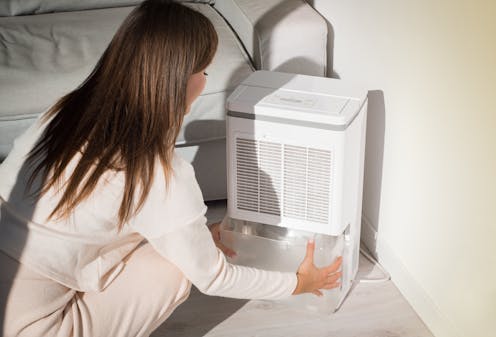
Google searches for “dehumidifier” have soared in the past month, especially in New South Wales, and there are a lot of options to choose from.
But how much moisture can these things really remove? And what happens if you just ignore the problem?
I’ve researched mould and indoor air quality, and work with clients helping address mould problems in homes. Here’s what you need to know on where a dehumidifier can help, and when it’s more likely just a band-aid for a deeper problem.
Read more: Sudden mould outbreak after all this rain? You’re not alone – but you are at risk
Reduce moisture through big and small fixes
Too much moisture can cause your house and belongings to go mouldy. A bad smell soon follows.
Balancing that moisture to ensure we live in healthy, comfortable spaces while controlling mould and microbial growth is a challenge. Sometimes we can be notoriously bad at ventilating domestic spaces appropriately.
I see a dismayingly frequent number of bathrooms without an extraction fan. Or laundries with clothes driers, pumping hot wet air into the room with no system to get that moisture outside.
In fact, the way we live in often well-sealed houses can trap lots of the moisture we sweat and steam off though everyday activities.
Showers, cooking, sweating and drying clothes produce anywhere from six to 12 litres of indoor moisture per person every day.
A dehumidifier might reduce moisture in a house but it won’t fix the underlying problem if your house has insufficient systems to re-route moisture outside.
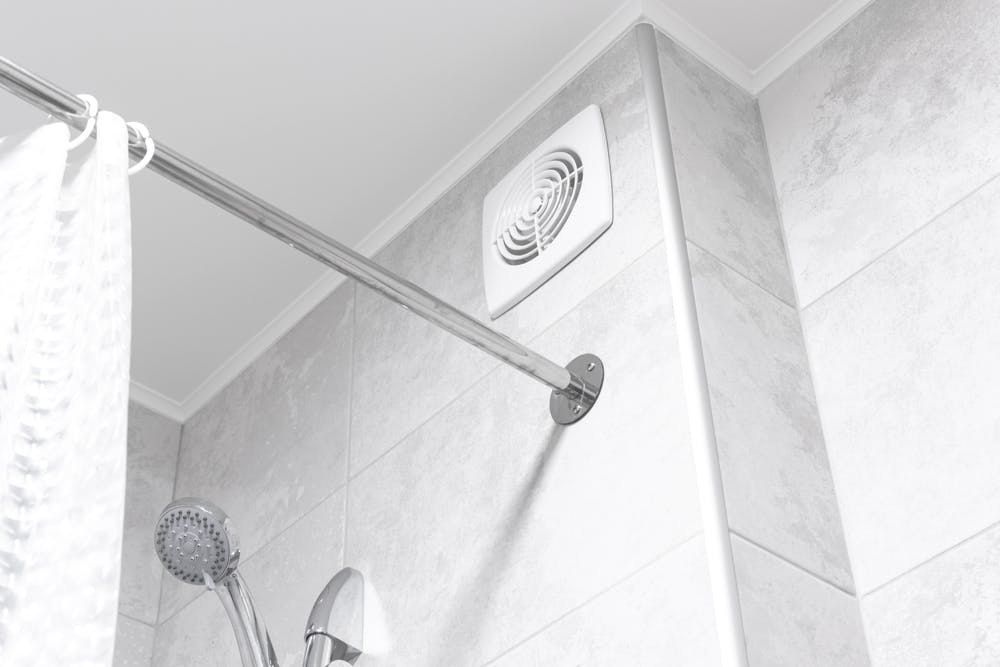
So would a dehumidifier help?
But if you’re renting or short on cash, and circumstances prevent you adding an extraction fan, a dehumidifier will at least help keep things under control.
You’ll need to do a little research to make sure you’re buying a dehumidifier that’s powerful enough to get the job done.
Most “mid-range” units state they’re capable of pulling somewhere around three to 15 litres of water out of the air per day.
That’s probably enough to help in some areas. But moisture will spread itself through the whole house.
This figure also doesn’t take into account how much moisture is in the air naturally, with higher natural relative humidity in Queensland and Darwin particularly making this more of an uphill battle.
So how much help would a dehumidifier actually be? That depends on how much water is in the air.
One cubic metre of air has 1,000 litres of volume, and at 20℃ can hold about 17 grams of water.
Reduce that temperature to 10℃ and it can only hold around 10g. But up the temperature to 30℃ and it can hold around 30g of water.
So, given a normal 3x4-metre lounge room in the middle of spring in a relatively dry place like Adelaide, you’ve probably got 200-300 millilitres of water in the air. With air flowing in and around the house and different rooms, you’re starting to approach a few litres of natural moisture just hanging around.
If you’re in Darwin, or a state contending with weeks of seemingly endless rain, you can probably double your calculations. You might have tens of litres of water to remove from the air throughout the house over the course of the day.
Without some seriously big dehumidifiers, you simply won’t be able to overcome that problem without being targeted in your approach.
In these cases, you’ll be most successful where you can control the amount of outside air coming in, and by placing the dehumidifier in the affected area with good air circulation around it. So keep windows closed when it’s rainy and put the dehumidifer in the most moisture-laden part of the house.
Should you also keep the door closed to help the dehumidifier work best on a particular room, or is it better so open doors so as to reduce humidity throughout the house? Well, if you know you’ve got it located at source, a closed space can help. But it’s a balancing act.
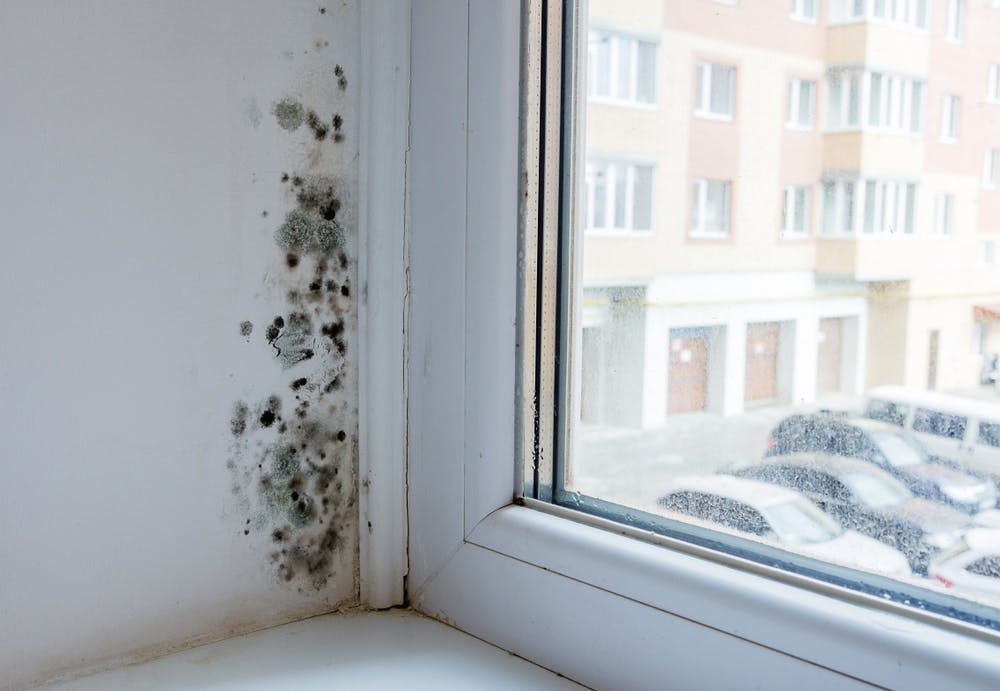 Too much moisture can cause your house and belongings to go mouldy. A bad smell soon follows.
Shutterstock
Too much moisture can cause your house and belongings to go mouldy. A bad smell soon follows.
Shutterstock
Getting the balance right
If your home has been flooded, a dehumidifier of any size is at best only a small part of the solution. Significant volumes of building materials and soft furnishings will need to be disposed of and assessed for warping or structural damage.
In these instances, professional drying is required and there are some seriously powerful dehumidifiers on the market.
But these are often used inside contained spaces where damaged rooms are sheeted in plastic to limit the flow of outside air (bringing in more moisture).
While there are rules about toxic chemicals and airborne hazards in workplaces, Australia is sorely lacking when it comes to regulations on comfortable indoor humidity and mould spores.
The guidance documents most frequently referred to tend to indicate a comfortable indoor humidity sits between 30-60% relative humidity, and that bringing indoor relative humidity to below 65% tends to notably reduce microbial growth.
However, pushing the relative humidity too low can be uncomfortable. It can dry out your eyes, skin and mucous membranes, increase some infection risks and may cause long term damage to materials (such as wood – particularly decorative wood – and some paper objects, art and some styles of heritage flooring).
So would a dehumidifer be a waste of money once the rain stops?
When the rain stops, have you just wasted your money on an expensive piece of kit? Would one of those cheap little DampRid pots full of moisture-absorbent crystals or powder have been enough?
Not likely. Desiccants such as DampRid pots can help in closed boxes or where you’ve only got a small air space. But at best, they generally only pull about three times their weight in moisture out of the air; a 300g pot might capture nearly a litre of water, but that’s it.
So dehumidifiers can help if you’re clever with that you’re trying to achieve, but you should always look to solve the underlying cause. That means, where possible, looking to improve your exhaust and ventilation.
Read more: Fungi after the floods: how to get rid of mould to protect your health
Authors: Michael Taylor, Adjunct academic, Flinders University

















