

Parliament is not a normal workplace – anti-bullying policy must start with ethical leadership and accountability
- Written by: Mike Webster, Senior lecturer, University of Auckland
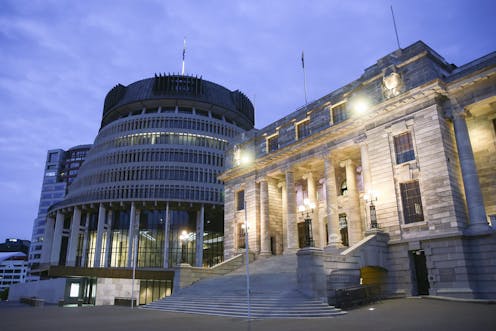
Three years after a scathing report into bullying and harassment in parliament, a new review of workplace culture in the Beehive is due to land before the end of this year.
Speaker Adrian Rurawhe has asked consultant Debbie Francis to investigate whether there’s less bullying and harassment in parliament since Francis delivered her first report in May 2019.
The first Francis report included accounts from 100 written submissions, 200 interviews and 42 focus groups. Francis made more than 80 recommendations to improve the workplace, including suggesting a new review three years after the fact.
In announcing the review, Rurawhe said significant improvements had been made. But allegations of bullying have continued, including against Labour MP Anna Lorck and former Labour MP Gaurav Sharma.
Of course, parliament is not unique in having to tackle this issue. New Zealand in general has a problem with workplace bullying. Research in 2009 found almost one in five people had experienced bullying in the workplace, ranking New Zealand second-worst in the developed world.
However, I would argue there are distinct factors in parliament that foster a culture of bullying. The new review, and the “Parliamentary Culture Excellence Horizon” being developed, must address these factors to create a healthy work environment and set an example for other industries.
Bullying in parliament and elsewhere
In the 2019 report, one parliamentary staffer reported:
My MP would just scream at me, asking for something one minute and then turning around and demanding it five minutes later, when it was clearly a two hour job.
Verbal abuse also came from peers, as another respondent wrote:
Colleagues would belittle me, yell at me in front of others, undermine my work. I had peers telling me if I didn’t agree with them, they would make my life miserable, and they did.
Francis found bullying and harassment were systemic in the parliamentary workplace and unacceptable conduct was too often tolerated or normalised. And the behaviours she identified certainly fit within accepted definitions of the problem.
Read more: What makes someone more likely to be bullied at work and how companies can help them
Employment New Zealand defines workplace bullying as:
Repeated and unreasonable behaviour directed towards a worker or a group of workers that can cause physical or mental harm. Bullying can be physical, verbal, psychological or social. This may include victimising, humiliating, intimidating or threatening a person.
Physical bullying could be slamming a door in someone’s face. Frequently, workplace bullying is verbal abuse. It can also include isolating someone socially, overloading people with work, and unfair monitoring – also known as micromanaging.
Constant criticism of work is one step further. Spreading malicious rumours behind someone’s back is also bullying. People targeted can become clinically depressed. Some may attempt self-harm or suicide.
Calls to “toughen up” are entirely misplaced and may add to emotional distress. Workers may think they are to blame for causing the bullying because of personal vulnerabilities.
Read more: Workplace bullying should be treated as a public health issue
Leadership and accountability
The 2019 review focused on two related risk factors specific to the parliamentary environment: a lack of ethical leadership and organisational confusion.
Ethical leadership is central to a culture of wellbeing. But serious leadership deficiencies exist in parliament. One respondent to the Francis review noted:
I’d never speak out about any bad stuff to anyone under any circumstance. As soon as I do, I get branded a troublemaker and branded as disloyal to my boss and the party. Next time the music starts up at election time, there won’t be a chair for me.
Ensuring ethical leadership in parliament requires specific actions. Empathy – leaders putting themselves in the shoes of subordinates – is vital. Candidates for leadership positions must demonstrate that commitment before their appointment. Only then, and in stages, will parliamentary culture change for the better.
As ethical leadership is established, parliament can look at the second risk factor. As the review noted, staff are faced with a “triangular relationship” – the parliamentary service is their legal employer, but the MP they serve is the day-to-day “boss” directing their work.
In effect, parliamentary staffers may report to two managers. One major challenge in addressing parliament’s workplace culture is that MPs are not accountable themselves to the Parliamentary Service. As one staffer observed:
Parliamentary Services won’t stand up to members even when they’re in the right on an employment matter. They’re too intimidated by MPs’ status and by the ego of some of them.
This mixed accountability can compound workplace bullying. And the review also identified a core problem of low accountability, particularly for MPs, who face few sanctions for harmful behaviour. Ethical leadership actively seeks accountability to reveal blind spots.
According to Speaker Rurawhe, most of Francis’ recommendations in the 2019 report have been completed, including appointing an Independent Commissioner, establishing new confidential channels to report issues and progressing a safer work programme.
But to make further progress, the review should plainly establish a new hierarchy, ensuring that parliamentary staffers are no longer accountable to MPs. Instead, staffers should report only to Parliamentary Service managers. In turn, those managers should be explicitly tasked to provide safe spaces by which collusion with bullying will be challenged case by case and eliminated.
Streamlining the managerial hierarchy will raise the flag of intentional cultural change. Statements of intent would then be replaced by tangible organisational actions. It is the minimum parliament can do to prove its commitment to staff wellbeing.
Authors: Mike Webster, Senior lecturer, University of Auckland


















