

Dangerous selfies aren't just foolish. We need to treat them like the public health hazard they really are
- Written by: Samuel Cornell, PhD Candidate, UNSW Beach Safety Research Group, School of Population Health, UNSW Sydney
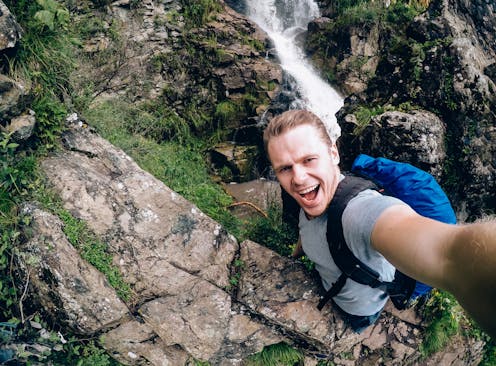
Selfies have been called everything from an artform to narcissistic and a sign of a dysfunctional society.
They can also kill.
When people go to extreme lengths to take an image to share on social media – perhaps in remote or picturesque locations – they can risk their lives.
So we need to move beyond describing selfies as a social phenomenon, fuelled by the rise of smartphones and social media.
We need to treat dangerous selfies as the public health hazard they really are.
More deaths, year after year
Certain picturesque locations have been linked to selfie deaths. This includes Yosemite National Park in California. In Australia, we’ve seen people die at places including cliffs, natural pools and waterfalls.
These are not isolated incidents.
One study found 379 people worldwide were killed due to selfies between 2008 and 2021, with even more injured. Incidents are more likely in young adults, particularly males.
Many are travellers or tourists (particularly in Australia and the United States). In Australia and the US, selfie takers tend to be injured or killed while solo, and commonly in locations very difficult for emergency services to access. In countries such as India and Pakistan, selfie takers are more likely to die, tragically, as a group, especially near bodies of water, such as lakes.
Researchers have called for the introduction of “no selfie zones” around hotspots, such as tall buildings. Russian and Indian authorities have introduced these. Russia has launched a “safe selfie” guide.
But it’s not clear how effective these strategies have been. If anything, selfie incidents seem to be increasing globally.
Read more: Is that selfie really worth it? Why face time with wild animals is a bad idea
Media calls these foolish, selfish
The media often portrays people involved in selfie incidents as foolish or selfish.
This seems to confirm our research showing media reports often blame the victim. Reports almost never provide safety information.
But taking selfies is a normal part of everyday life for millions of people. We need to stop judging people who are taking risky selfies, and instead see risky selfies as a public health issue.
Why is this a public health issue?
We’ve had similar problems with other activities we now see as public health hazards. These include driving without a seatbelt, riding a bicycle without a helmet, smoking cigarettes or excessive alcohol consumption. These are all examples people once considered “normal”, which we now see as risky. Taking dangerous selfies needs to be added to that list.
By thinking of these selfies as a public health issue, we move away from victim blaming and instead need to effectively communicate risk to selfie-takers.
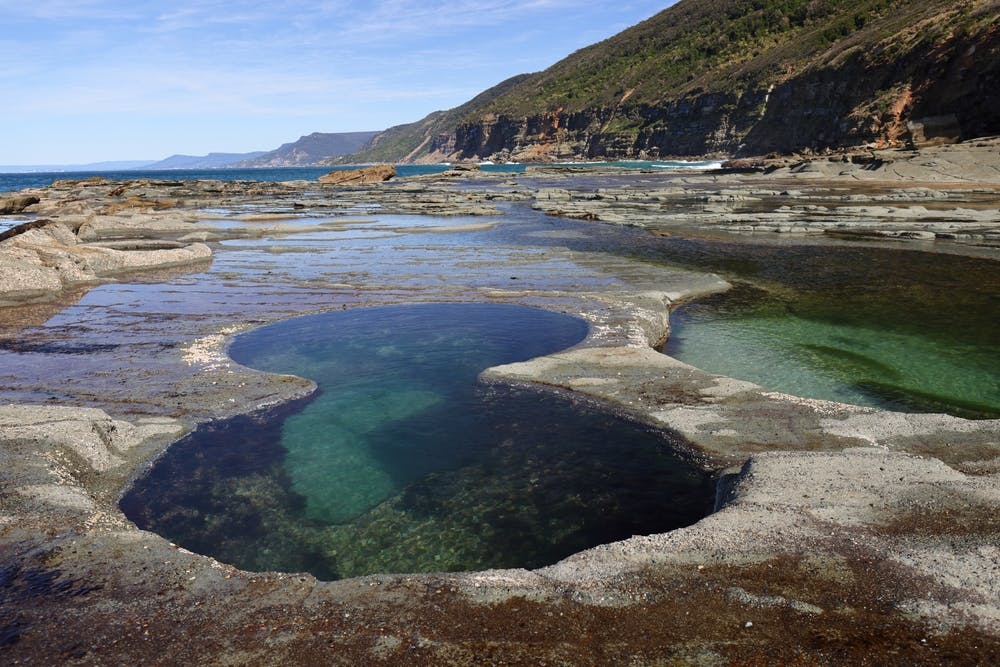
One example relates to the popular selfie hotspot, Figure Eight Pools in the Royal National Park, New South Wales, where people can be overwhelmed by big, “freak” waves. Authorities have produced a colour-coded risk rating that takes into account ocean and weather conditions. People can go online to see if the risk of going to the pools is “very low” to “extreme”.
If we think of these risky selfies as a public health issue we also move towards education and prevention.
Signs at selfie hotspots are one thing. But we know signs are often ignored, or simply not seen.
So we need to better communicate safety messages to selfie takers when and how they will actually take notice.
Our research with Instagram aims to do this by communicating directly to selfie takers through the Instagram app. The aim is to tailor safety messaging to Instagram users by geolocating them with known risky selfie spots – sending users a safety alert in real time.
With the right communication strategy, we know we can reduce the number of these entirely avoidable tragedies.
Read more: #travelgram: live tourist snaps have turned solo adventures into social occasions
5 tips to stay safe when taking selfies in nature
1. Think about weather and water conditions
Weather and coastal conditions can change rapidly. Just because the weather and waves don’t appear dangerous when you start your selfie journey, they might be when you get there. Check before you go, avoid bad weather, and keep a close eye on tidal and wave conditions.
2. Don’t walk past safety signs and physical barriers
Warning signs are there to provide life-saving information. Pay attention to signs and heed their advice. Don’t jump or go around any physical barriers blocking access. They are likely there for a good reason.
3. Stay on the designated path
Staying on paths and trails is safest and also does fragile ecosystems a big favour.
4. Don’t get too close to the edge. Be aware of crumbling edges
Don’t trust cliff edges and be aware of unstable ground. Cliff edges are naturally eroding and your extra weight doesn’t help. People have died from cliff edges crumbling away while standing on them.
5. No amount of ‘likes’ is worth your life
Consider your motivations for taking selfies and using social media. Studies show spending time in nature is good for our health. But the world looks better when not viewed through a screen.
Authors: Samuel Cornell, PhD Candidate, UNSW Beach Safety Research Group, School of Population Health, UNSW Sydney


















