

The Benefits of Rainwater Tanks: A Sustainable Solution for Water Conservation
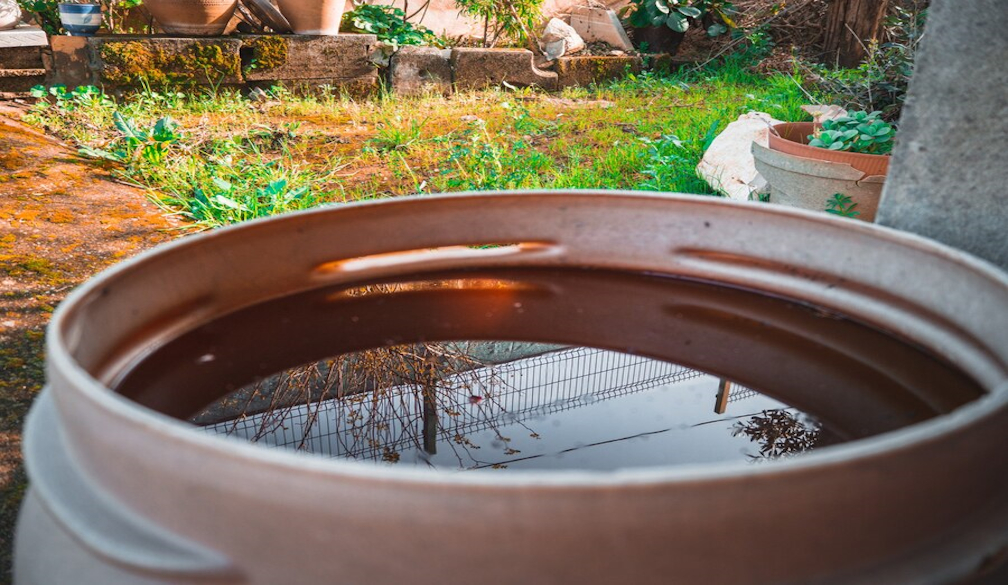
In today’s world, where water scarcity is a growing concern, finding sustainable ways to conserve and manage water resources has never been more important. One effective solution that is gaining popularity is the installation of rainwater tanks. By collecting and storing rainwater, these tanks not only help reduce reliance on municipal water systems but also offer a wide array of environmental, financial, and practical benefits. In this blog, we will explore the advantages of rainwater tanks and why they are an excellent choice for homes, businesses, and communities alike.
What Are Rainwater Tanks?
Rainwater tanks, also known as water tanks or rainwater harvesting systems, are structures designed to collect and store rainwater for later use. They come in various sizes, materials, and configurations, ranging from small household tanks to large-scale commercial systems. Typically, rainwater is collected from rooftops and filtered to ensure that it’s clean and safe for various uses, such as irrigation, washing, and even potable water in some cases.
The Environmental Benefits of Rainwater Tanks
One of the primary reasons people are turning to rainwater tanks is the environmental impact. By collecting rainwater, homeowners and businesses can help reduce their reliance on traditional water sources, such as rivers, lakes, and groundwater, which are often overexploited. Here are a few key environmental benefits:
- Reduced Stormwater Runoff: When rainwater falls, it typically flows over hard surfaces like roads and buildings before entering storm drains. This runoff can carry pollutants such as oil, trash, and chemicals into local water bodies, harming aquatic ecosystems. By using rainwater tanks, you can capture rainwater before it becomes runoff, helping to reduce pollution.
- Conservation of Freshwater Resources: Freshwater is a finite resource, and in many regions, it’s becoming increasingly scarce. By collecting rainwater for non-potable uses like irrigation, landscape watering, or car washing, you can significantly reduce the demand for municipal water, conserving it for essential uses.
- Support for Green Spaces: Rainwater is naturally softer than tap water, meaning it doesn’t contain the chlorine or fluoride found in treated water. This makes it ideal for watering plants, gardens, and lawns. Using rainwater instead of treated water helps keep plants healthy and promotes more sustainable landscaping.
The Financial Advantages of Rainwater Tanks
While installing a rainwater tank requires an initial investment, the long-term financial benefits are substantial. Here’s how rainwater tanks can help save money:
- Lower Water Bills: One of the most obvious financial benefits of using a rainwater tank is the reduction in water bills. By relying on collected rainwater for non-essential purposes, such as watering the garden or washing the car, you can reduce your household’s demand on the municipal water supply, resulting in lower utility costs.
- Government Incentives and Rebates: In many regions, there are government programs that offer financial incentives, rebates, or tax breaks to encourage the installation of rainwater tanks. These incentives can significantly offset the upfront cost of purchasing and installing a system, making it more affordable for homeowners and businesses.
- Long-Term Savings: The durability and longevity of rainwater tanks mean that once installed, they can serve your water needs for years. With proper maintenance, rainwater tanks can last for decades, providing a continuous source of free water for a wide variety of uses, which translates to long-term savings.
Practical Uses of Rainwater Tanks
Rainwater tanks can be used in a variety of practical applications, both inside and outside the home. Here are some common uses for harvested rainwater:
- Irrigation: Perhaps the most common use for rainwater tanks is for watering gardens, lawns, and crops. Rainwater is naturally soft and free from salts, making it ideal for plant health. With a rainwater tank, you can ensure that your plants get a consistent and sustainable water supply, even during dry spells.
- Flushing Toilets: Watering your garden with treated tap water can be expensive, but rainwater can be used for non-potable purposes like flushing toilets. By diverting the rainwater to your plumbing system, you can reduce the amount of treated water used for daily activities.
- Washing Cars and Outdoor Equipment: Rainwater is soft and gentle on surfaces, making it an ideal choice for washing cars, windows, and outdoor equipment. It helps prevent the buildup of scale or soap residue that often occurs when using hard tap water.
- Drinking Water: With proper filtration and treatment, rainwater can even be used as potable drinking water. Many rural homes and eco-conscious communities rely on rainwater tanks for their primary water source. With the right system in place, you can enjoy clean, safe water that’s free from chlorine and other chemicals commonly found in municipal water.
How to Install and Maintain Rainwater Tanks
Installing a rainwater tank involves several steps, but with the right guidance, it can be a straightforward process. Here’s a basic outline of what’s involved:
- Choosing the Right Tank: The first step is to choose the right size and type of rainwater tank based on your needs, available space, and budget. Consider the amount of rainfall your area receives and how much water you typically use in your home or business.
- Installing the System: Rainwater tanks can be installed above ground or underground, depending on your available space and aesthetic preferences. The system will also need downpipes, filters, and gutters to channel rainwater from your roof into the tank.
- Maintenance: To ensure your rainwater tank remains in good condition, regular maintenance is essential. This includes cleaning gutters, inspecting the tank for cracks or leaks, and ensuring the filters are working effectively. Regular maintenance will help ensure that your rainwater remains clean and safe for use.
Conclusion
Rainwater tanks offer a sustainable, cost-effective, and environmentally friendly solution to the growing challenges of water scarcity and pollution. By capturing and storing rainwater, you can significantly reduce your water bills, conserve precious freshwater resources, and support a healthier environment.

















